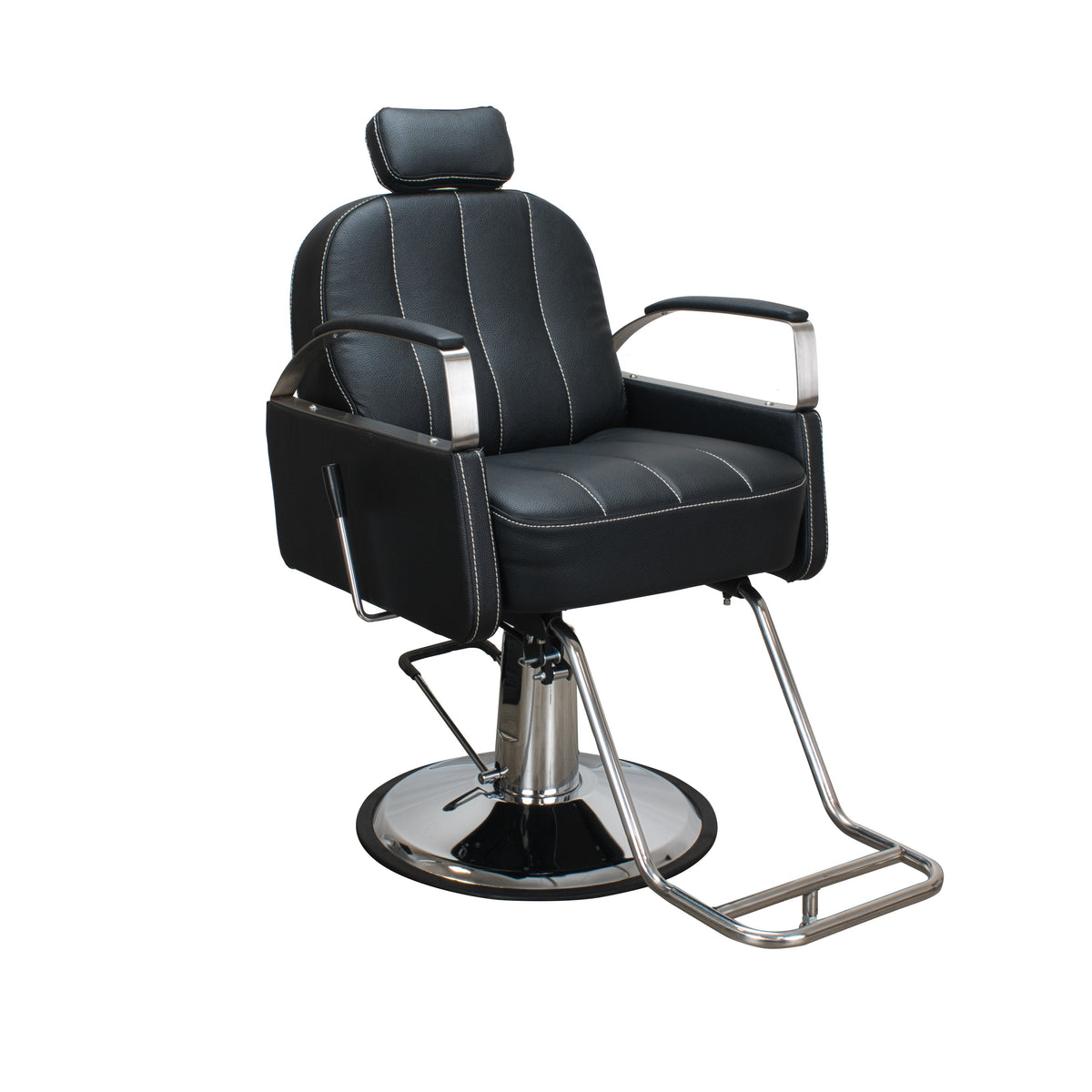
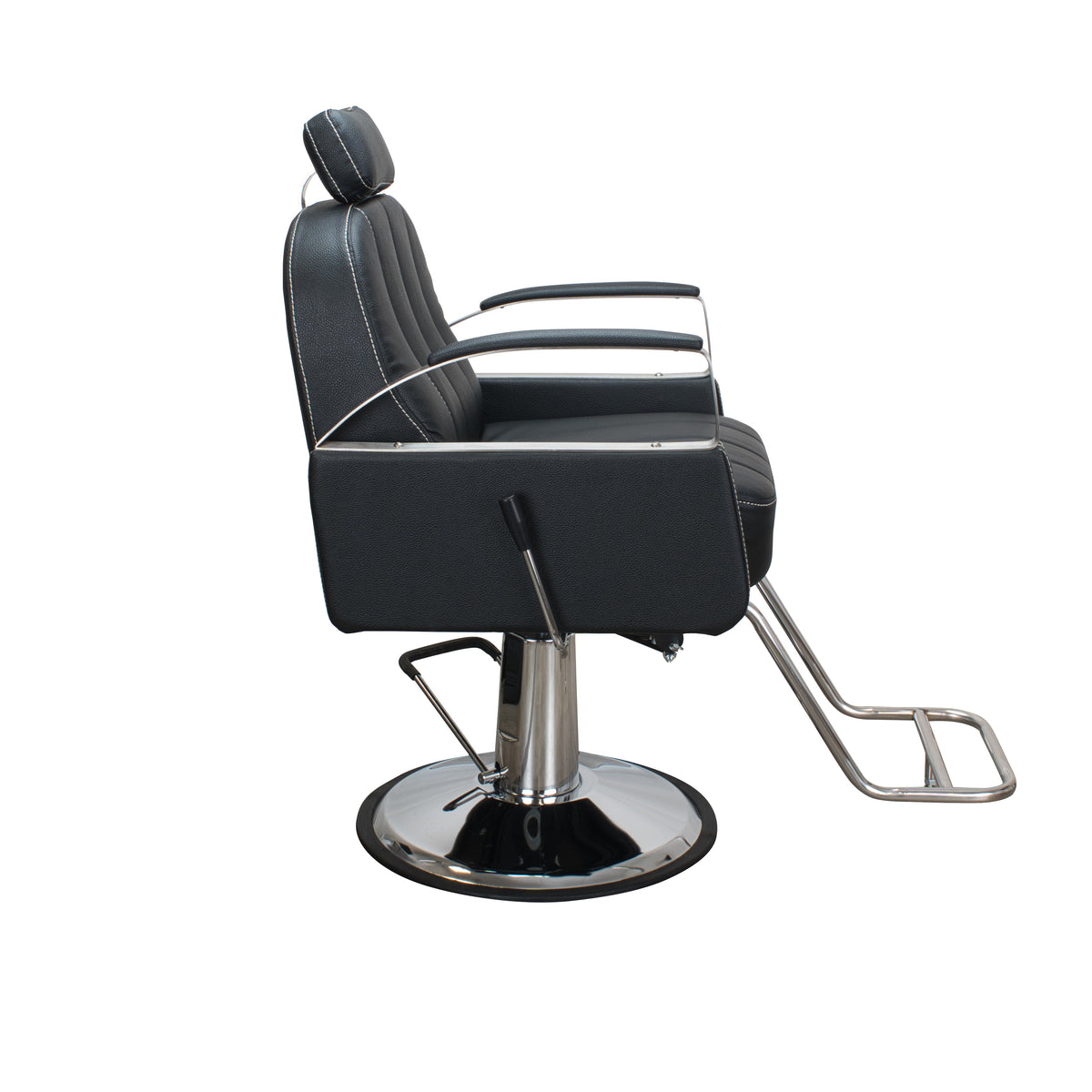
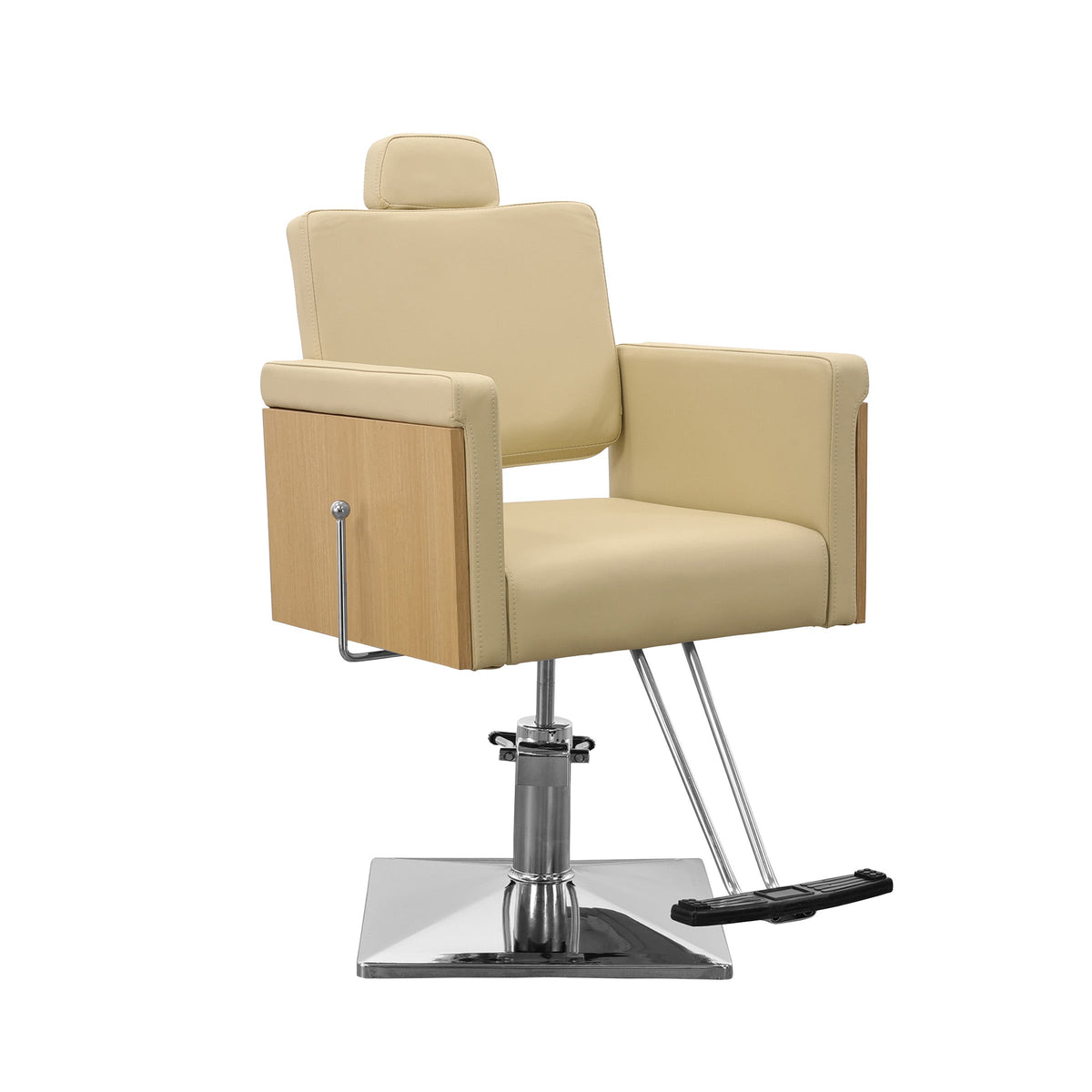
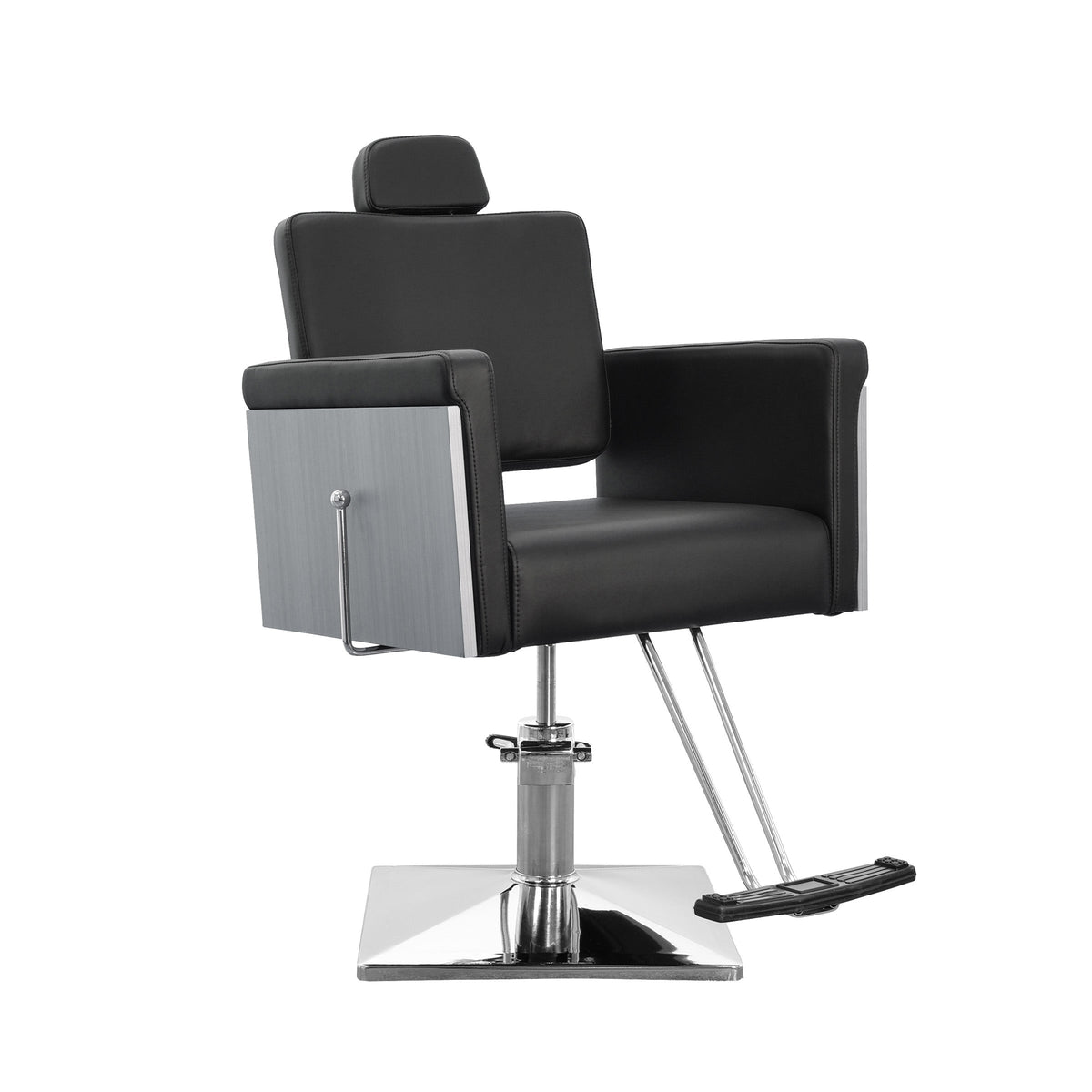
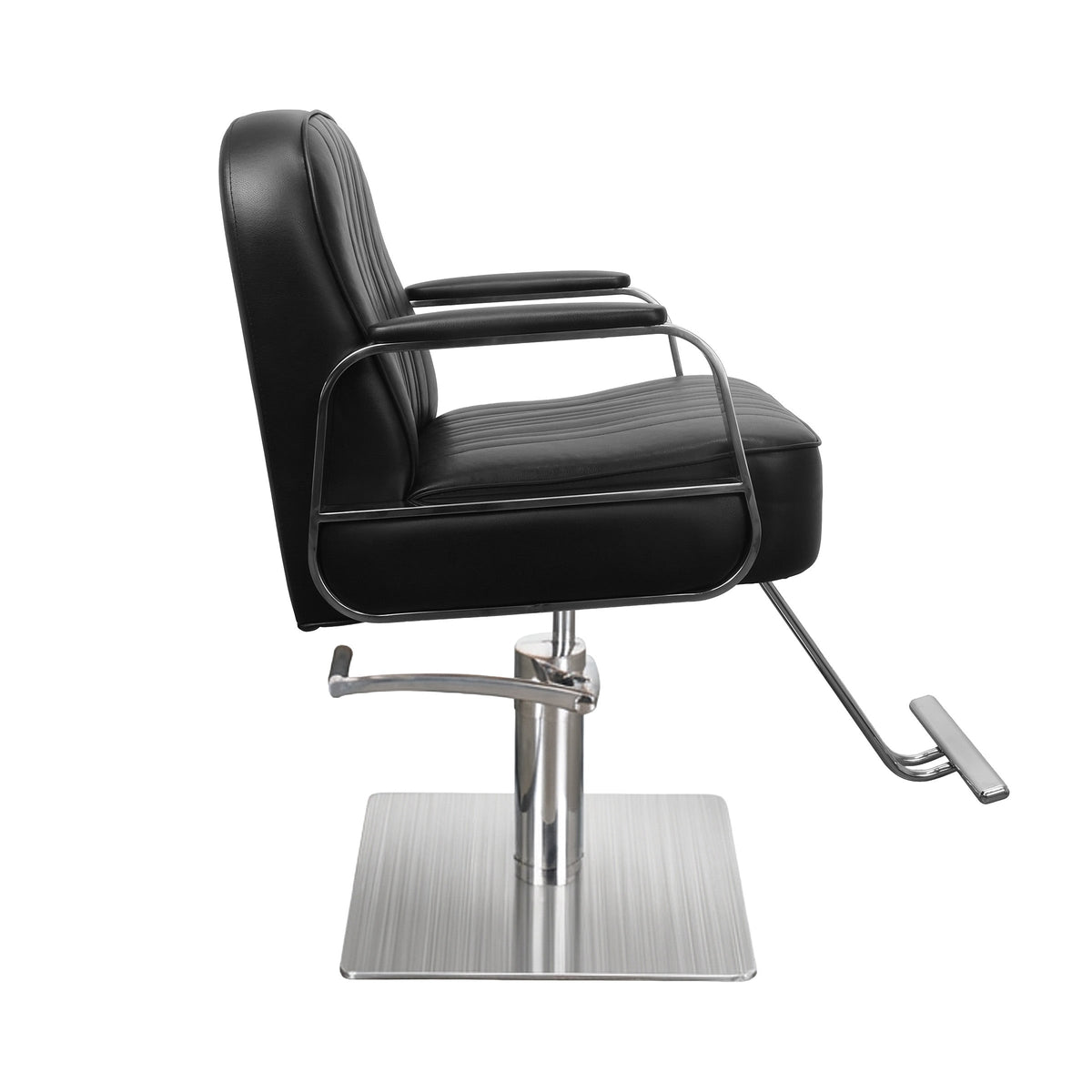
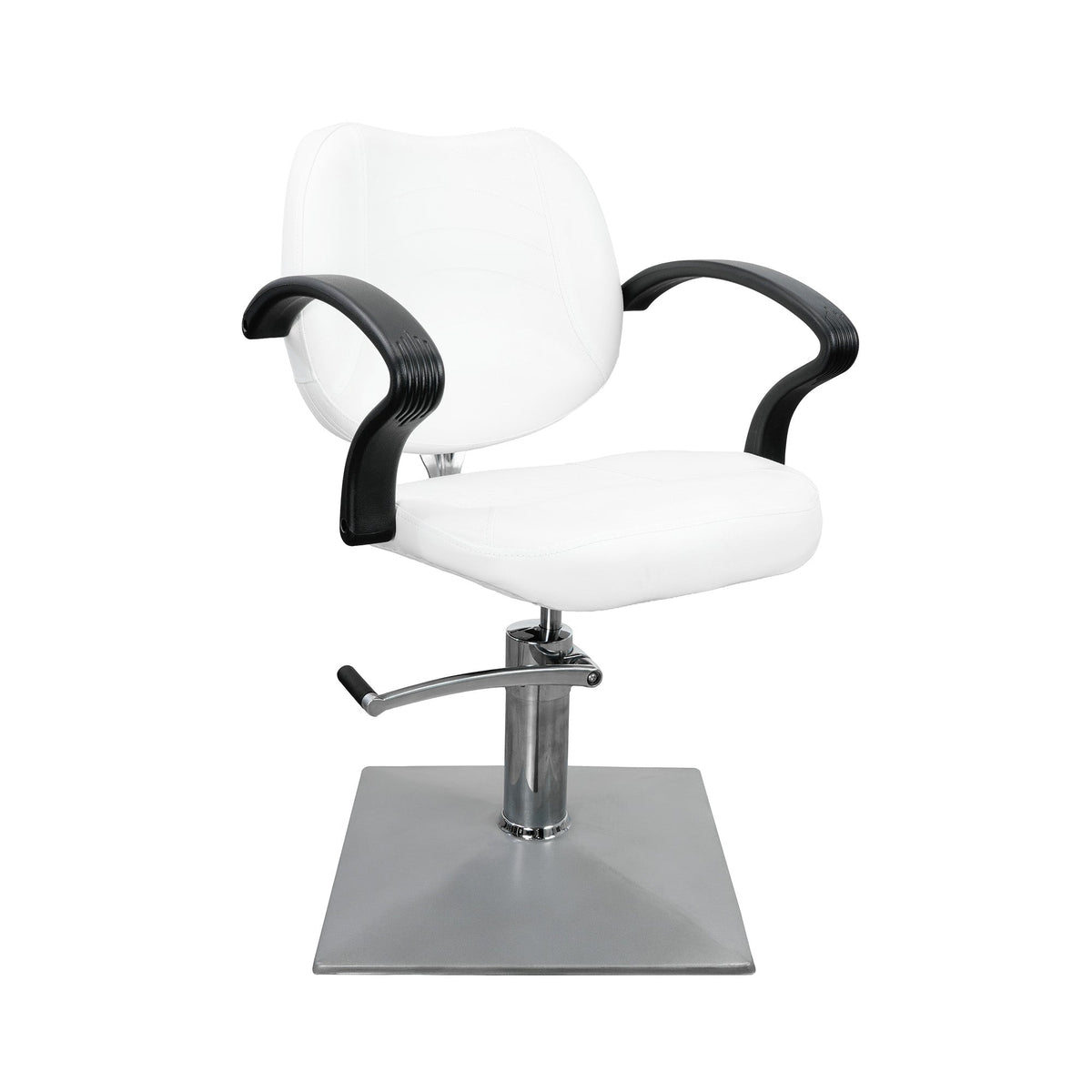
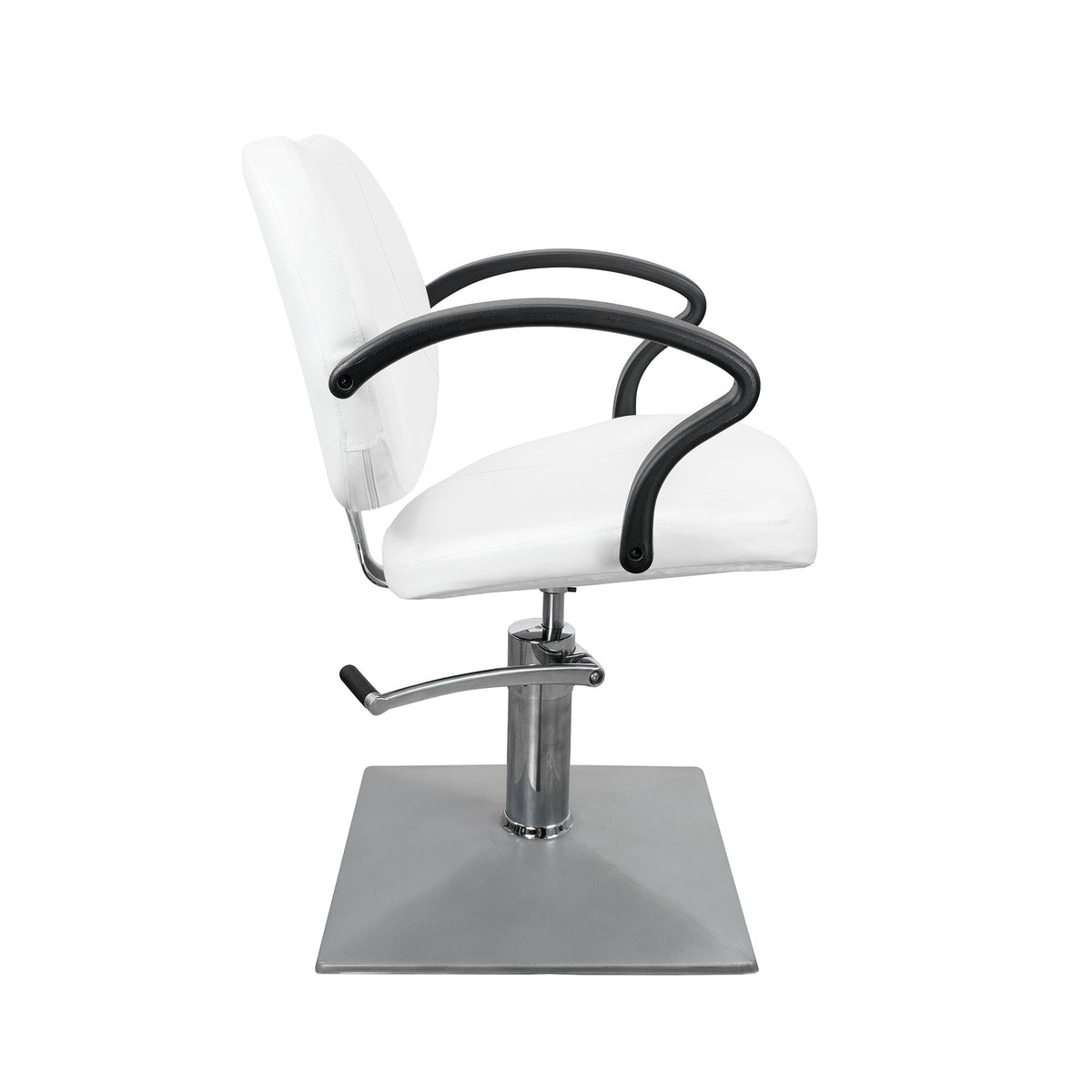
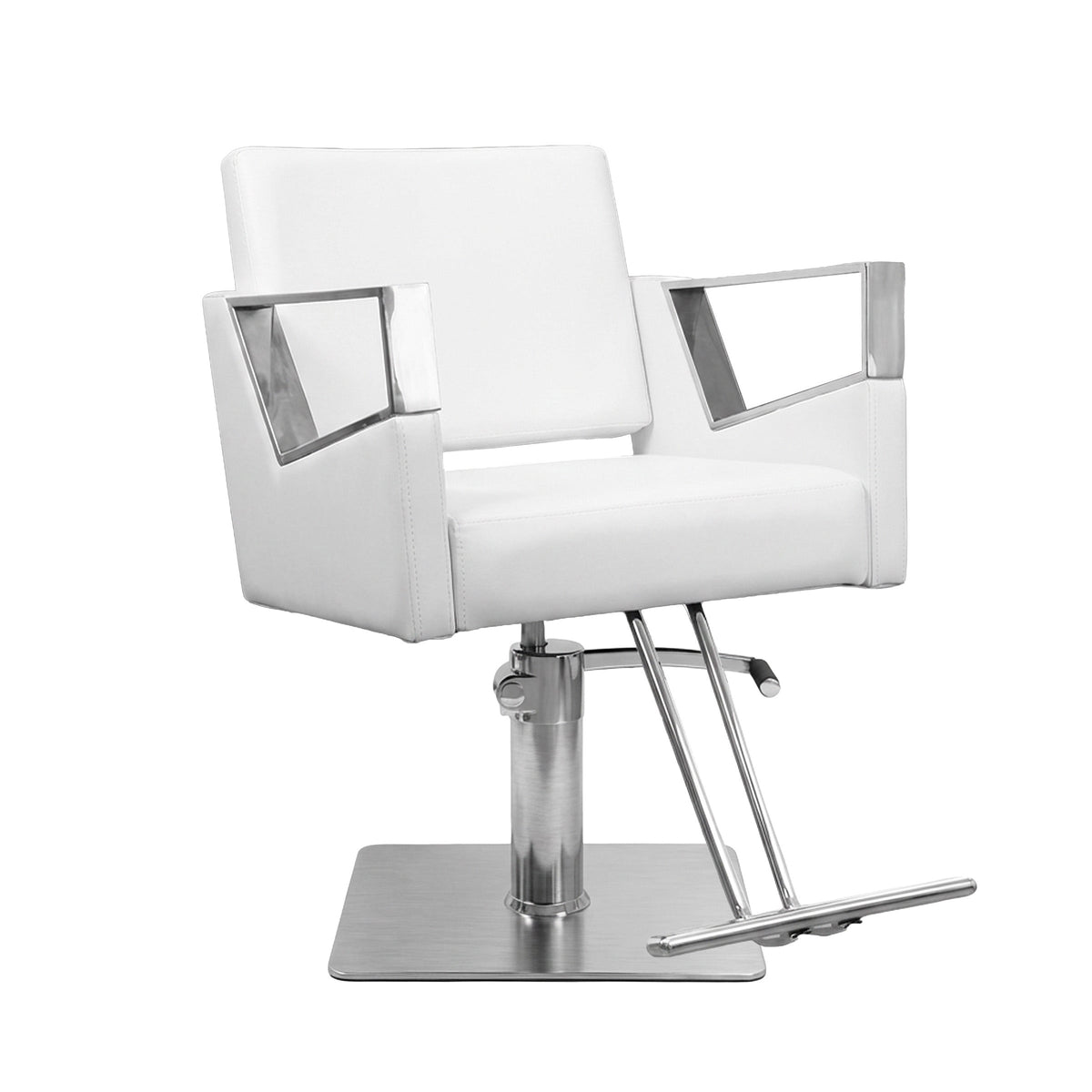
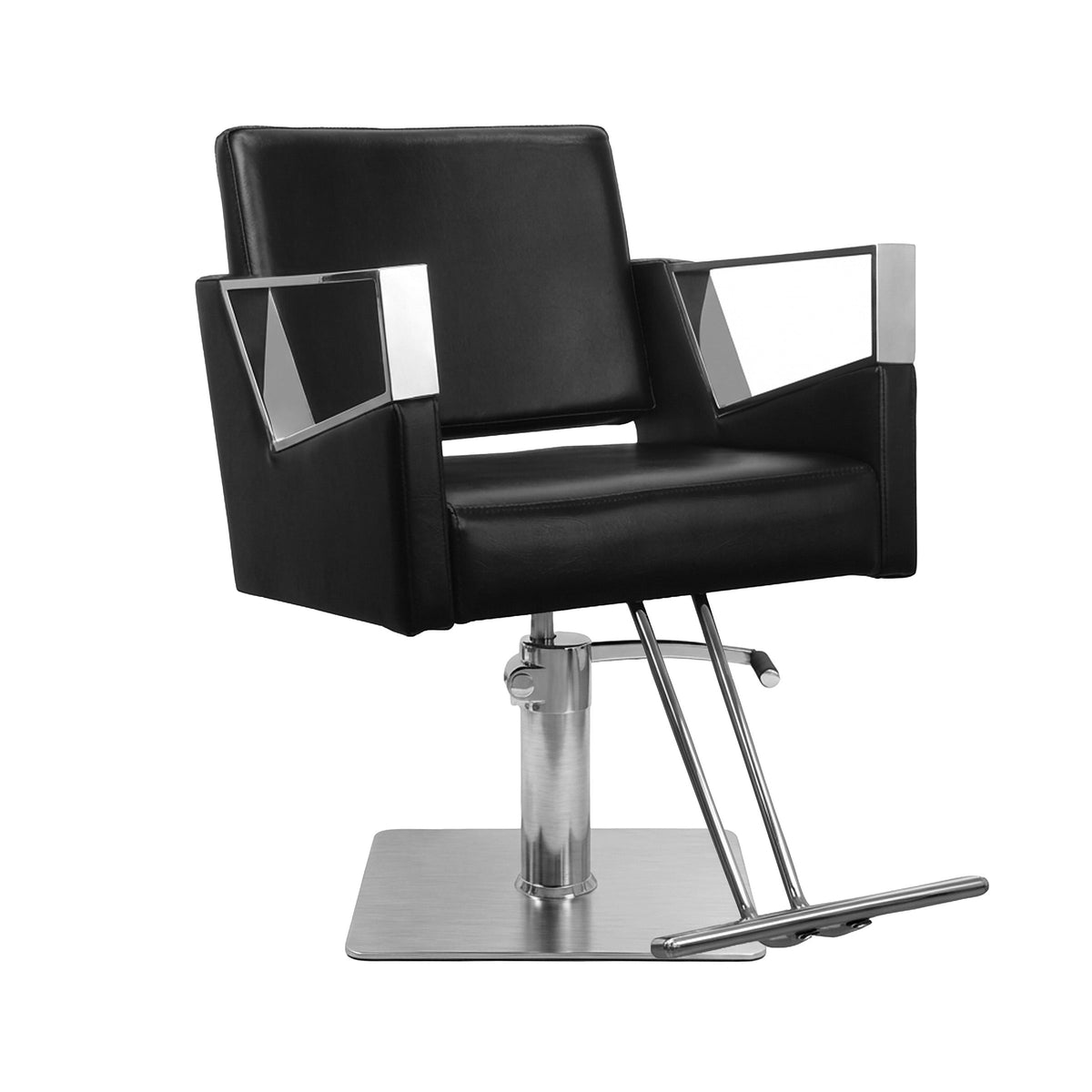
2026 Expert Guide to Choosing a Professional Barber Chair
Introduction
The barber chair is not just a seat; it is the stage, the workstation, and the support that holds almost every service together. When we created The 2026 Expert Guide To Choosing A Professional Barber Chair, we started from a simple truth: if the chair is wrong, everything around it has to work harder.
Owners face the same tension again and again:
-
Spend too little and risk wobbly bases, torn vinyl, sore backs, and unhappy clients.
-
Spend more and worry about cash flow, style fit, and whether the chair will survive ten-hour days, six days a week.
By 2026, expectations are higher. Clients notice comfort and design. Staff expect ergonomic support. Health rules are stricter, cleaners are harsher, and owners want chairs that match their brand instead of looking generic.
As SalonAct, we design and supply professional barber chairs every day. We see what holds up in real shops and what fails under heavy use. This guide walks through comfort, construction, function, price strategy, warranty, hygiene, style, and business impact so you can choose chairs that support your clients, your team, and your profit for years.
“The details are not the details. They make the design.” — Charles Eames
That quote sums up barber chairs perfectly: the right details add up to better service, better photos, and better reviews.
Key Takeaways
Keep this checklist in mind while you read and while you shop:
-
Prioritize dual comfort. Chairs must keep clients relaxed and barbers pain-free. Supportive foam and smart ergonomics are not a luxury; they protect revenue, reviews, and staff health.
-
Choose strong construction. Steel frames and heavy bases outlast thin metal and plastic. A solid frame costs more at checkout but less per year.
-
Think total cost, not just sticker price. Add purchase price, expected repairs, maintenance, and realistic lifespan. Cheap chairs often cost the most once you do the math.
-
Match features to your service menu. Buy deep recline, electric controls, and extra adjustments only if your services and prices support them.
-
Protect your investment. Look for non-porous, easy-clean materials, clear warranties, and reliable support. Vinyl should tolerate disinfectants, and parts should be available when something wears out.
What Makes A Professional Barber Chair Different From Standard Salon Seating?
Barbering is not the same as general salon work. Fades, razor shaves, beard design, and long grooming sessions demand very precise control of the client’s head, neck, and body. Standard salon chairs are rarely built for that level of control day after day.
A professional barber chair usually offers:
-
Deeper recline (often 45–60 degrees) for shaves and facials without forcing the barber into awkward bends.
-
Full 360° swivel with a strong lock so the chair moves easily, then stays rock solid when blades are near the skin.
-
Higher weight capacity (often 350–500+ lbs) with thick steel frames, heavy bases, and commercial hydraulics for thousands of lift cycles.
-
Stronger visual presence as the centerpiece of the shop, where metalwork and upholstery send an instant message about the brand.
At SalonAct, we build around these demands: steel frames, commercial upholstery, and styling that looks right and works hard in busy barbershops.
Prioritizing Dual Comfort: Meeting The Needs Of Both Clients And Barbers
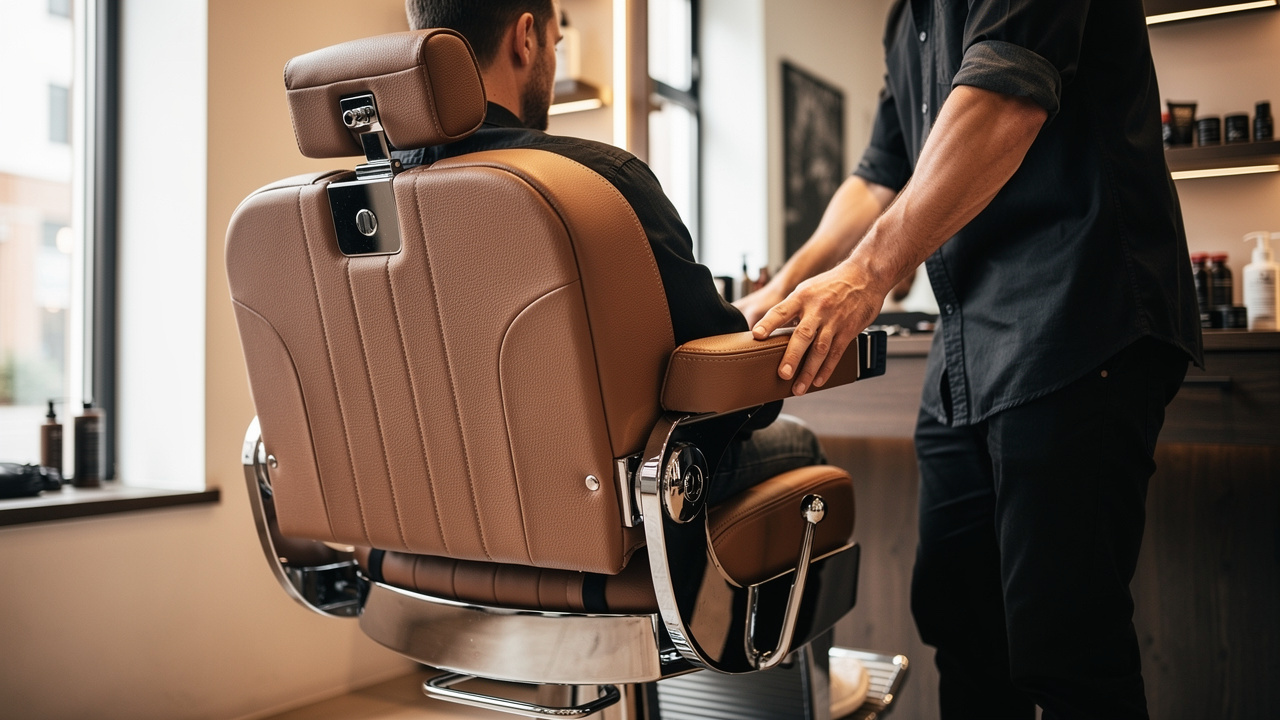
Comfort is at the center of every chair decision. When a client fidgets, complains about a hard seat, or leaves with a sore back, that shows up in reviews and rebooking rates. When a barber leans and twists all day because a chair will not adjust correctly, the result is pain, missed days, and turnover.
We call this dual comfort: chairs that feel great for clients and support healthy posture for barbers.
“A good tool improves the way you work. A great tool improves the way you think.” — Jeff Duntemann
Treat your chairs as great tools for both sides of the service.
Essential Client Comfort Features
Clients judge comfort fast. Key elements include:
-
High‑density foam: Softer, low‑density foam collapses and causes sore hips and backs. High‑density foam keeps its shape for long sessions and long lifespans.
-
Adjustable headrest: Being able to raise, lower, or remove the headrest lets the barber set the neck in a relaxed position for shaves and beard work.
-
Supportive armrests and footrests:
-
Wide, padded armrests help clients settle in instead of gripping the sides.
-
A solid footrest with enough surface prevents dangling legs and locked knees.
-
-
Ergonomic backrest: A backrest that follows the natural curve of the spine limits lower back fatigue during 30+ minute visits.
SalonAct builds these into our chairs as standard details, not pricey extras.
Barber Ergonomics And Professional Well‑Being
On the barber’s side, good ergonomics mean staying pain‑free through long shifts:
-
Smooth height adjustment keeps shoulders relaxed and backs neutral. Foot‑operated hydraulic or quiet electric lifts should move in small, controlled steps.
-
Controlled rotation lets barbers move around the client instead of twisting their own backs. A quick foot lock switches from free swivel to stable in a second.
-
Stable base prevents wobble during tight clipper work and straight razor shaves.
Over months and years, these details reduce back and shoulder issues, cut sick days, and help experienced barbers stay behind the chair longer. Every SalonAct barber chair is engineered with this in mind from the start.
Evaluating Construction And Materials: Building For Decades, Not Just Years
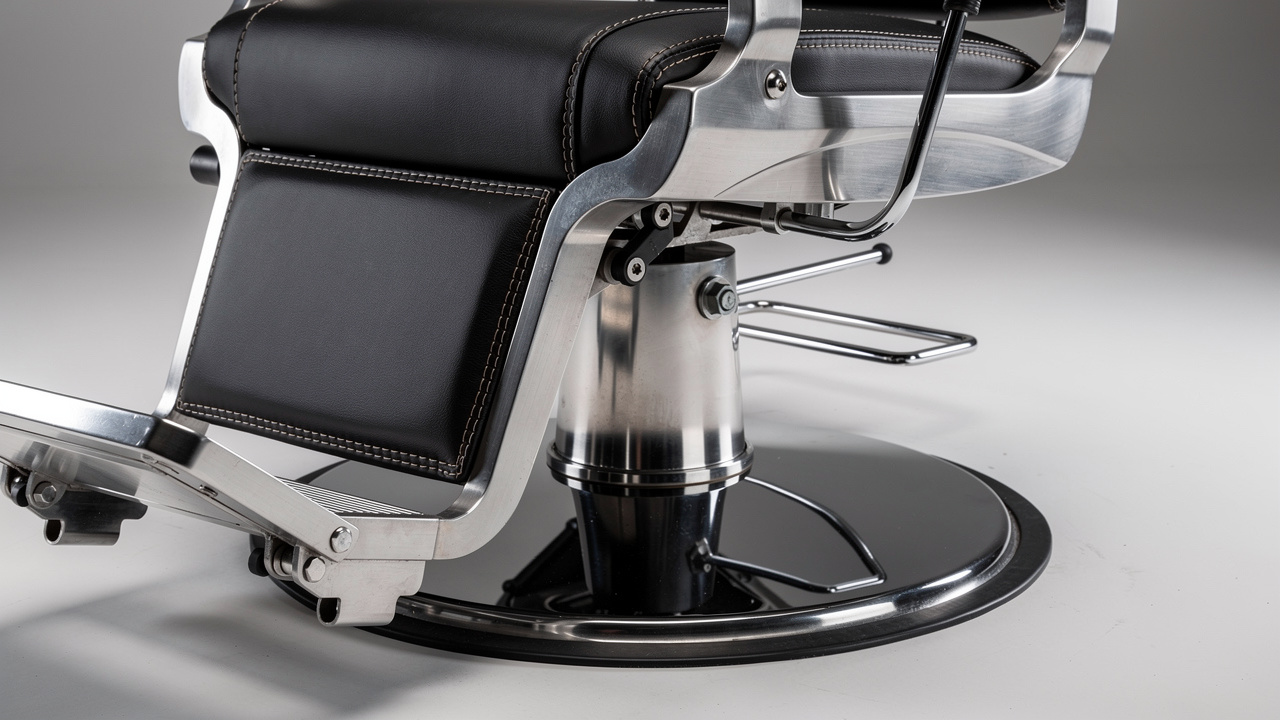
Durability decides how expensive a chair really is. A barber chair that survives ten years of heavy use often costs less per year than one that needs replacement after three.
When you evaluate construction, inspect:
-
Frame and base
-
Upholstery
-
Hydraulics and moving parts
If any of these fail early, the entire chair becomes a liability. SalonAct designs each part for commercial duty, not light home use.
Frame And Base Construction Standards
The frame is the skeleton. Look for:
-
Solid steel frames instead of plastic or thin, light metals.
-
Clean, continuous welds at high‑stress points with no gaps or sloppy spots.
-
Wide, heavy bases (often 24–28 inches) that keep a low center of gravity and stay steady even with a large client reclined.
-
Durable finishes:
-
Chrome for classic shine and rust resistance with proper care.
-
Powder‑coated bases for a modern matte look that resists chips and scuffs.
-
All SalonAct barber chairs use steel frames and carefully finished bases so they feel solid from day one.
Upholstery Selection For Commercial Longevity
Upholstery faces constant friction, cleaning, and product contact. Look for:
-
Commercial‑grade vinyl that resists moisture, color stains, and regular disinfecting.
-
Adequate thickness and weight so it stays flexible instead of cracking.
-
Premium options with better UV resistance for sunny shop fronts.
-
Double or triple stitching at stress points and seam placement away from sharp corners.
We specify high‑grade vinyl and reinforced seams on SalonAct chairs so they keep their appearance after years of daily use.
Hydraulic And Mechanical Component Quality
Hidden components shape daily satisfaction:
-
Heavy‑duty hydraulic pumps rated for commercial use and realistic weight limits (often 350–500 lbs).
-
Steel recline mechanisms that move smoothly and hold steady at any angle.
-
Quality bearings for quiet, smooth rotation with no grinding.
-
Reliable motors and controls on electric chairs, with protection against overheating and exposure to hair and liquids.
At SalonAct, we stress‑test these components under barbershop conditions before any model reaches customers.
Understanding Functionality: Matching Chair Capabilities To Your Service Menu
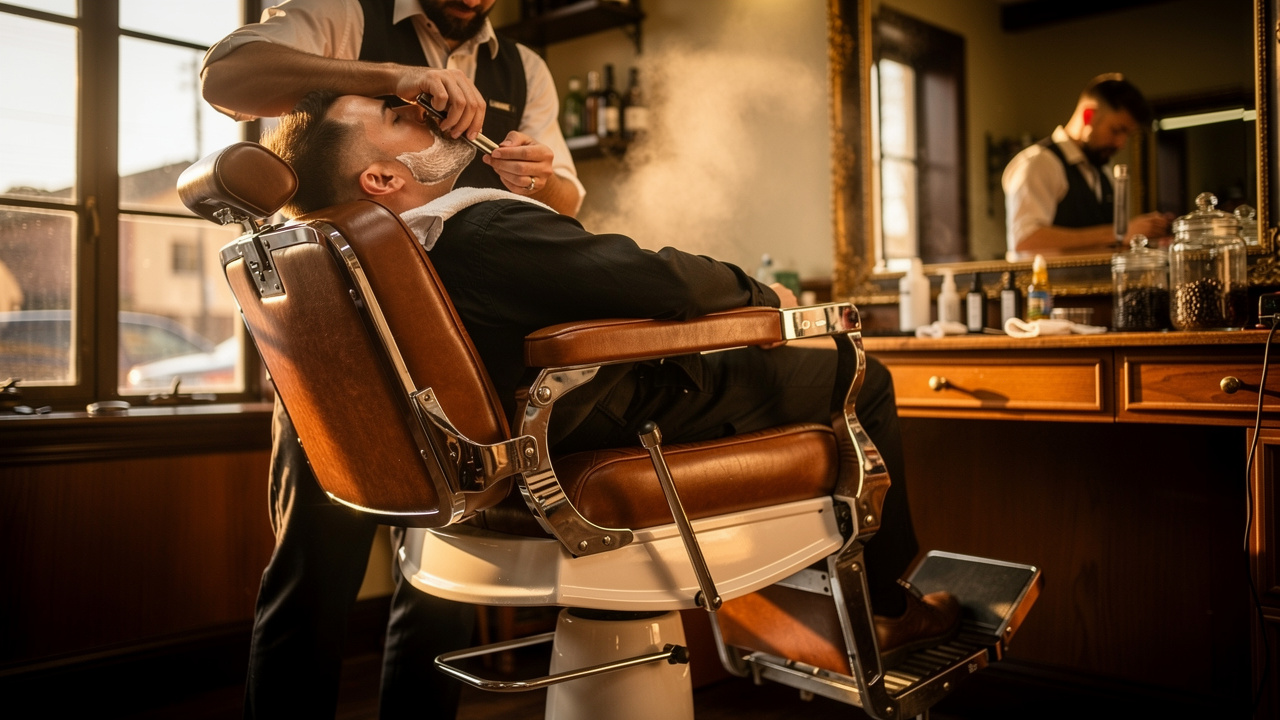
Not every shop needs every feature. A fast‑paced cut shop has different needs from a traditional space that spends time on shaves and facials. Always match chair features to your actual service menu and pricing.
Extra levers, powered leg rests, and add‑ons may look impressive but add cost and more that can break. On the other hand, skipping basic functions slows services and strains staff.
Core Adjustment Mechanisms
Certain adjustments are non‑negotiable for a professional barber chair:
-
Height adjustment: Smooth, quiet, and foot‑operated, with enough range for barbers of different heights working on clients of all sizes.
-
Deep recline: Often 45–60 degrees for shaves and facial work, controlled by a lever that moves the backrest in one fluid motion.
-
Full rotation with reliable lock: 360° swivel so barbers can move around the client, plus a strong foot‑controlled lock to hold the chair steady for detail work.
When we test SalonAct chairs, we run these movements repeatedly with real weight in the seat to confirm they stay smooth and quiet.
Hydraulic Vs. Electric: Choosing The Right Power System
Most professional chairs use either hydraulic or electric systems:
-
Hydraulic barber chairs
-
Foot‑operated pumps
-
No need for outlets at each station
-
Long track record and simple upkeep
-
-
Electric chairs
-
Button or switch control for height, recline, and sometimes leg rests
-
Very low physical effort and very precise adjustments
-
Often a better fit for luxury or high‑ticket services
-
Electric models usually cost more and need access to power plus more technical support. For high‑volume, price‑sensitive shops, we usually suggest SalonAct hydraulic chairs. For premium spaces that charge higher prices and want a wow factor, our electric models can be a strong fit.
Navigating Style Options: Aligning Chair Aesthetics With Your Brand Identity
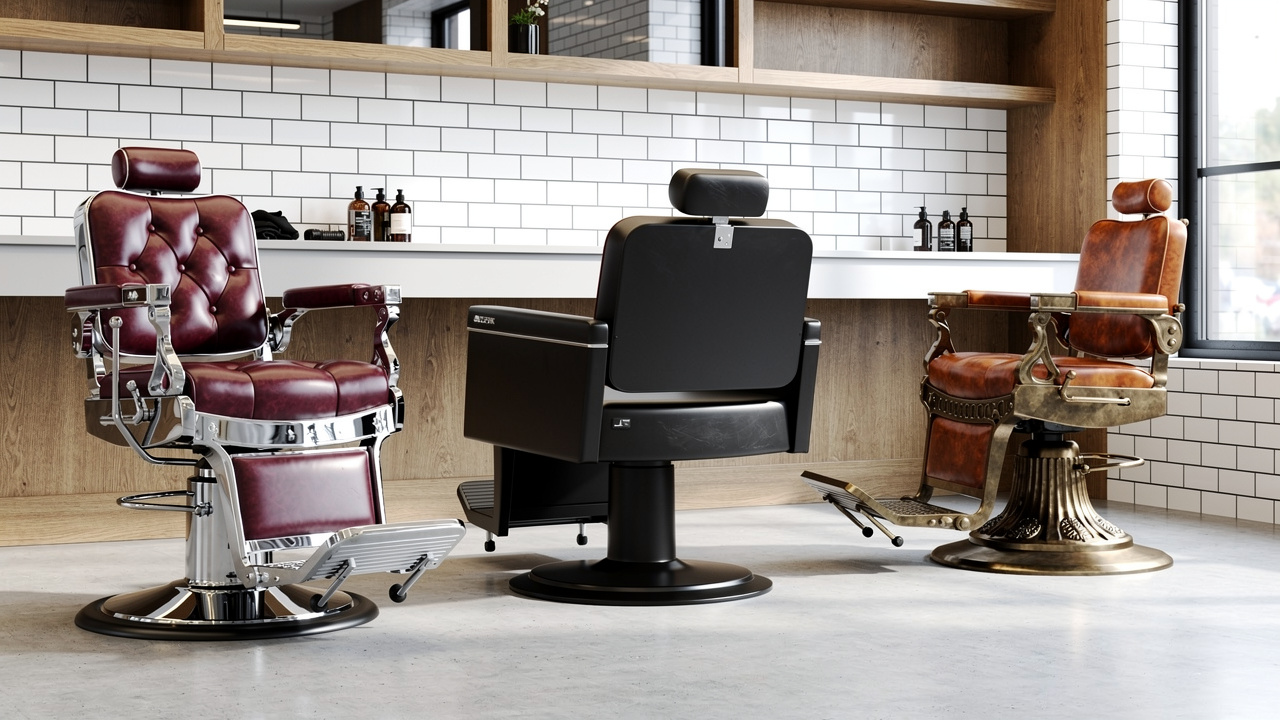
Style sends a message the moment a client walks in. The lines, colors, and finishes of your barber chairs say as much about your brand as your sign outside.
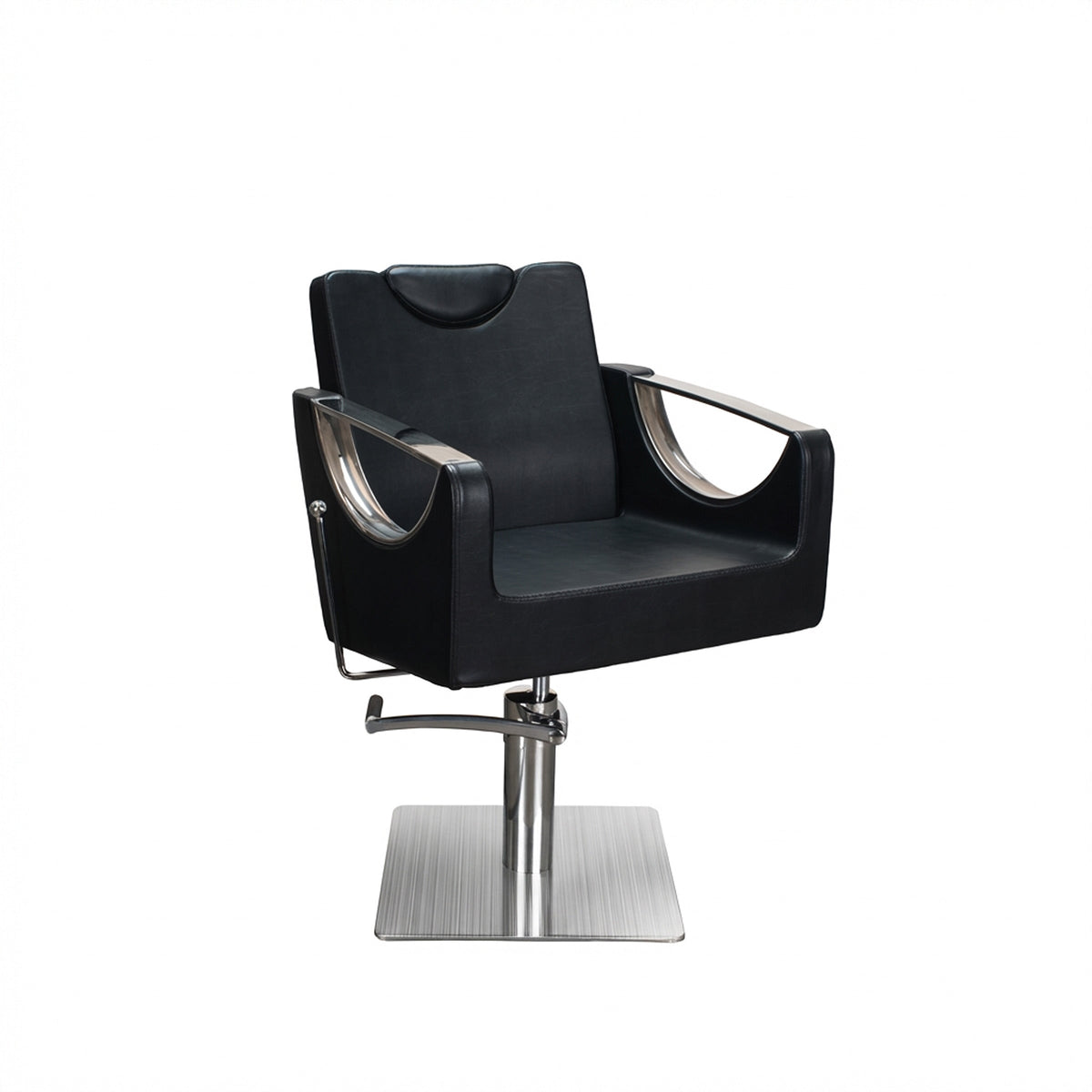
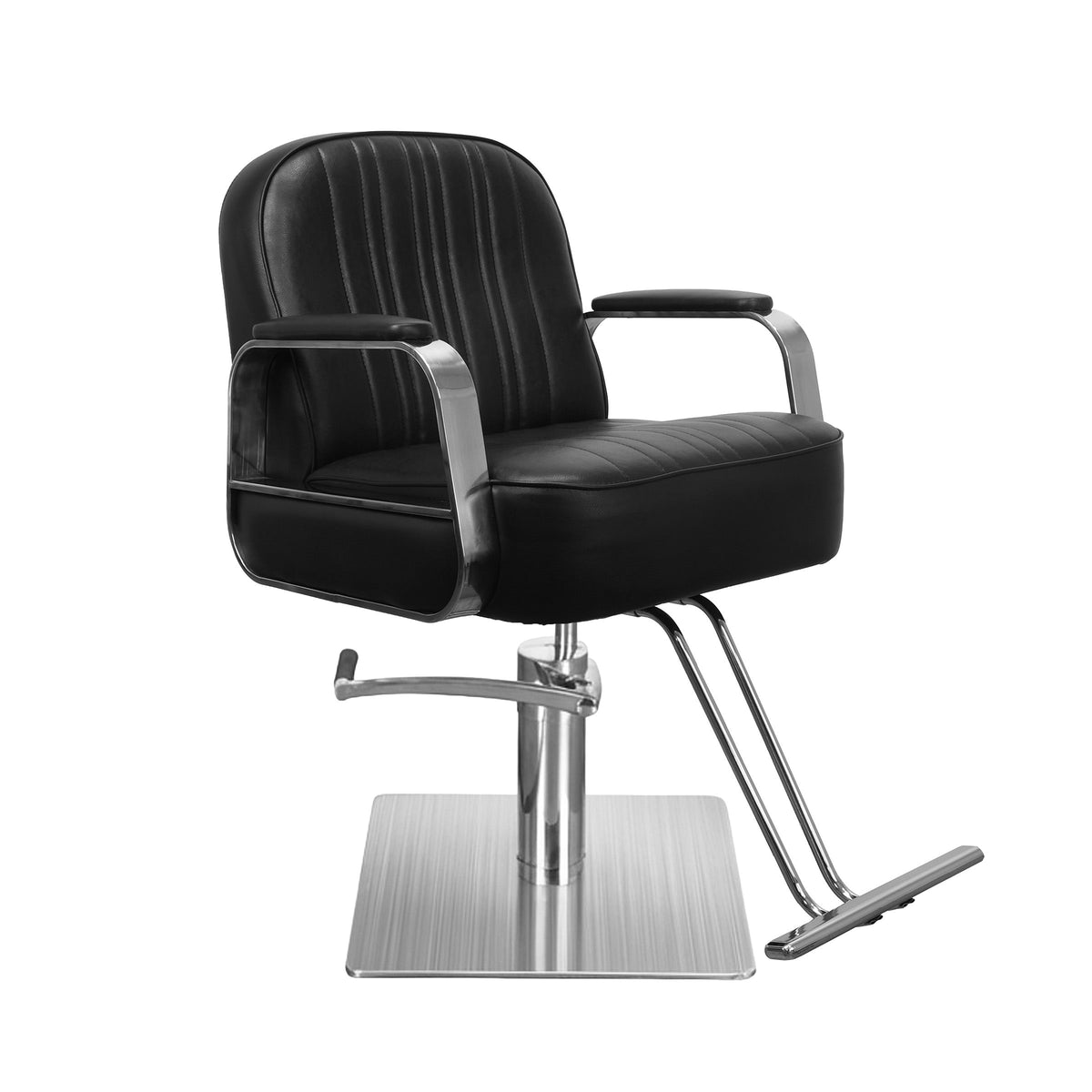
Function and durability come first, then style. Once the basics are covered, choose classic, vintage, modern, or luxury electric looks that reflect your concept. SalonAct offers all of these so you can keep a consistent look across the floor.
Classic All‑Purpose Barber Chairs
Classic all‑purpose chairs feature:
-
Clean, simple lines
-
Commercial vinyl in black, brown, or burgundy
-
Straightforward metal bases
They fit mixed‑service shops that do everything from quick cuts to shaves. Our SalonAct classic models focus on dependable mechanics and neutral styling that works in many interiors.
Vintage‑Style And Retro Barber Chairs
Vintage‑style chairs lean into nostalgia:
-
Ornate metalwork in chrome, bronze, or copper
-
Tufted upholstery and bold colors
-
Larger, dramatic silhouettes that become photo‑ready centerpieces
They suit shops built around traditional barbering and heritage vibes. SalonAct vintage‑inspired chairs pair that look with modern hydraulics and strong construction.
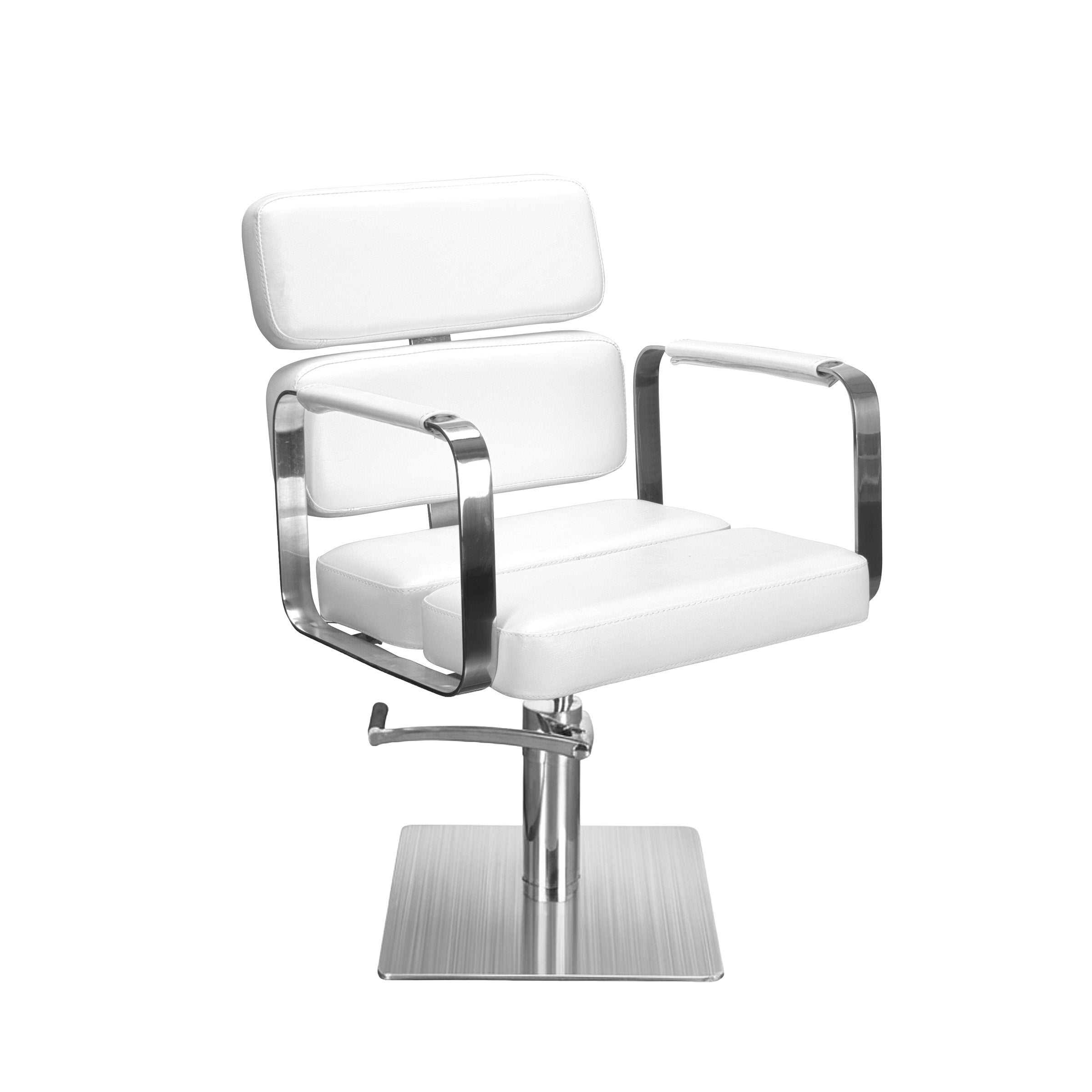
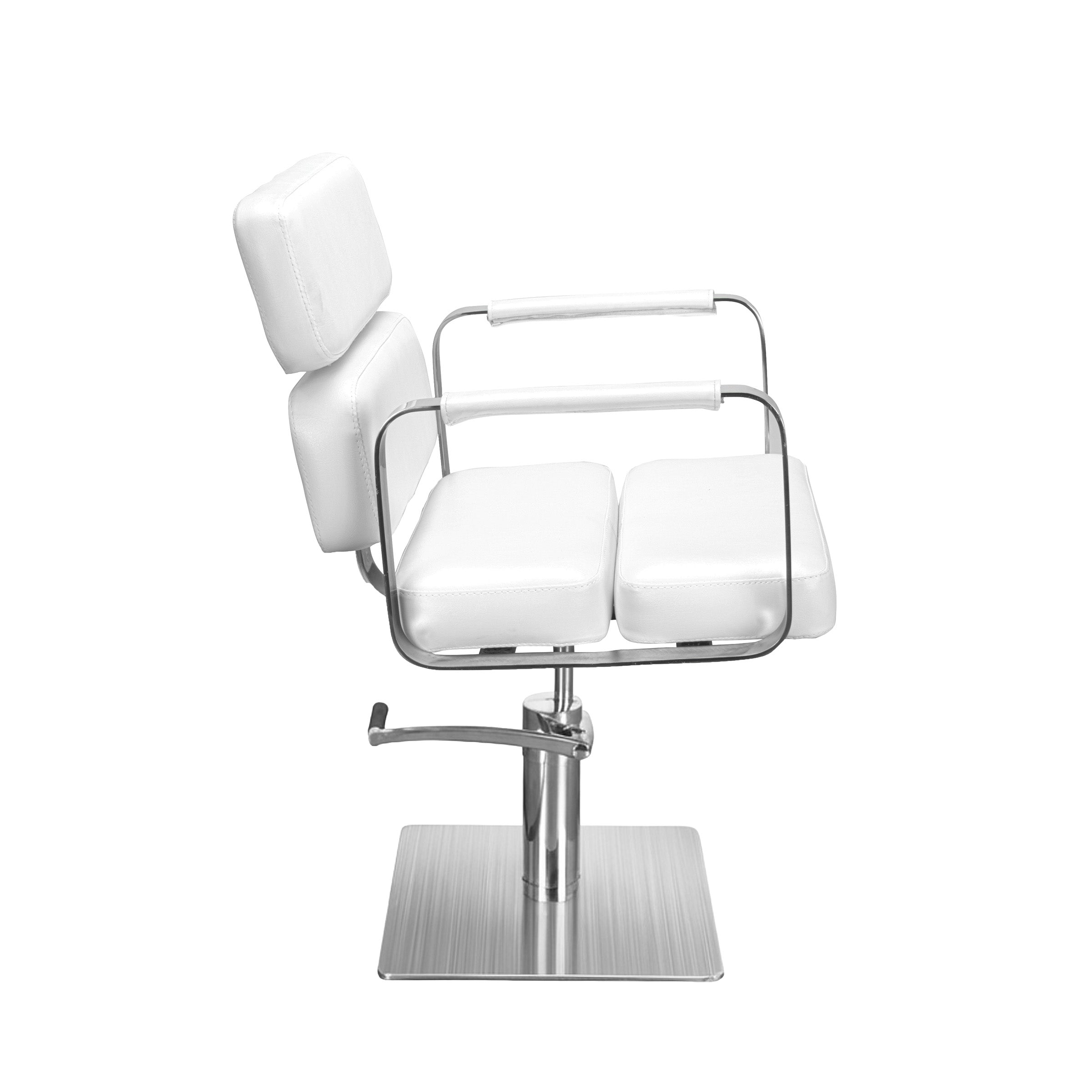
Modern And Minimalist Barber Chairs
Modern chairs suit urban and design‑driven spaces:
-
Sleek profiles with little ornamentation
-
Monochrome or simple two‑tone color schemes
-
Materials like brushed steel, matte coatings, and soft‑touch vinyl
Many of our modern SalonAct chairs match well with electric bases and tech‑friendly interiors.
Electric Premium And Luxury Barber Chairs
Premium and luxury chairs often include:
-
Full electric control of height, recline, and leg support
-
Optional memory positions or massage features
-
High‑end foam and sometimes leather upholstery
They fit shops that sell a VIP experience and support higher ticket prices. When owners consider SalonAct luxury chairs, we always align the choice with pricing and overall brand story.
Developing A Smart Pricing Strategy: Total Cost Of Ownership Analysis
Sticker price is visible. Total cost of ownership (TCO) is what really matters. We have seen many shops buy the cheapest chairs and then watch repairs, downtime, and early replacements erase any savings.
SalonAct designs and prices chairs with that longer view: spending slightly more up front to spend far less over the life of the chair.
Understanding Total Cost Of Ownership (TCO)
TCO combines:
-
Purchase price
-
Expected repairs and maintenance
-
Realistic lifespan
Then you divide total spend by years of service.
For example:
-
Chair A: $400 purchase + $200 repairs over 3 years = $600 total, or $200 per year, then replacement.
-
Chair B: $800 purchase + minor upkeep over 10 years = roughly $80 per year.
Cheaper chairs often hide extra costs:
-
Lost revenue when a station is down
-
Poor appearance as vinyl cracks or bases rust
-
Client doubts when chairs look worn out
SalonAct mid‑ and premium‑tier chairs are built to protect both appearance and uptime.
Price Range Expectations And Value Zones
Common ranges for professional barber chairs:
-
Budget: ~$300–$600
Workable for low‑volume or temporary setups; often use lighter frames or weaker hydraulics. -
Mid‑range: ~$600–$1,200
Best balance for most shops: steel frames, commercial vinyl, and reliable hydraulics. -
Premium: ~$1,200–$2,500
Higher‑end materials, electric functions, and longer expected lifespans. -
Luxury above that: Heavy customization and prestige features for very specific concepts.
Most SalonAct chairs sit in the mid to premium bands, where long‑term value is strongest for serious barbershops.
Wholesale Purchasing And Volume Discount Strategies
Outfitting several stations at once is a chance to save:
-
Volume discounts often start around 3–6 chairs and can trim 15–30% off per‑chair prices.
-
Package deals that include cabinetry and other furniture can cut costs and keep design consistent.
-
Lease‑to‑own or installment plans spread the cost without pushing you toward low‑quality gear.
SalonAct supports wholesale and multi‑chair orders with clear discounts and terms so shops can open with professional seating from day one.
Ensuring Protection: Warranty Coverage And Customer Support Essentials
No matter how strong a chair is, moving parts plus heavy use mean issues will surface. A solid warranty and responsive support team act as insurance for your investment.
Short, vague warranties and slow responses are warning signs. Longer coverage, clear terms, and fast help signal real confidence from the manufacturer.
Comprehensive Warranty Coverage Evaluation
When reading warranties, check:
-
Length:
-
At least one year overall is common.
-
Two to five years on the frame or hydraulic base is even better.
-
-
Covered parts:
-
Hydraulic pump
-
Structural frame and base
-
Key mechanical elements (recline and rotation)
-
Motors and controls on electric chairs
-
-
Scope:
-
Parts only, or parts and labor
-
Shipping expectations
-
Clear exclusions that still make sense for normal shop use
-
SalonAct puts all terms in writing and designs coverage around real commercial use, not light home use.
Customer Support And Replacement Parts Availability
Support makes or breaks warranty value. Look for:
-
Replies within one or two business days
-
Staff who understand both the product and shop reality
-
Clear repair guides or videos
-
Ready access to parts such as pumps, levers, upholstery kits, and switches
Reviews that mention post‑sale experiences tell you a lot. SalonAct maintains U.S.‑based fulfillment for faster parts delivery and treats every buyer as a long‑term partner, not a one‑time sale.
Meeting Hygiene Standards: Cleanability And Maintenance Requirements
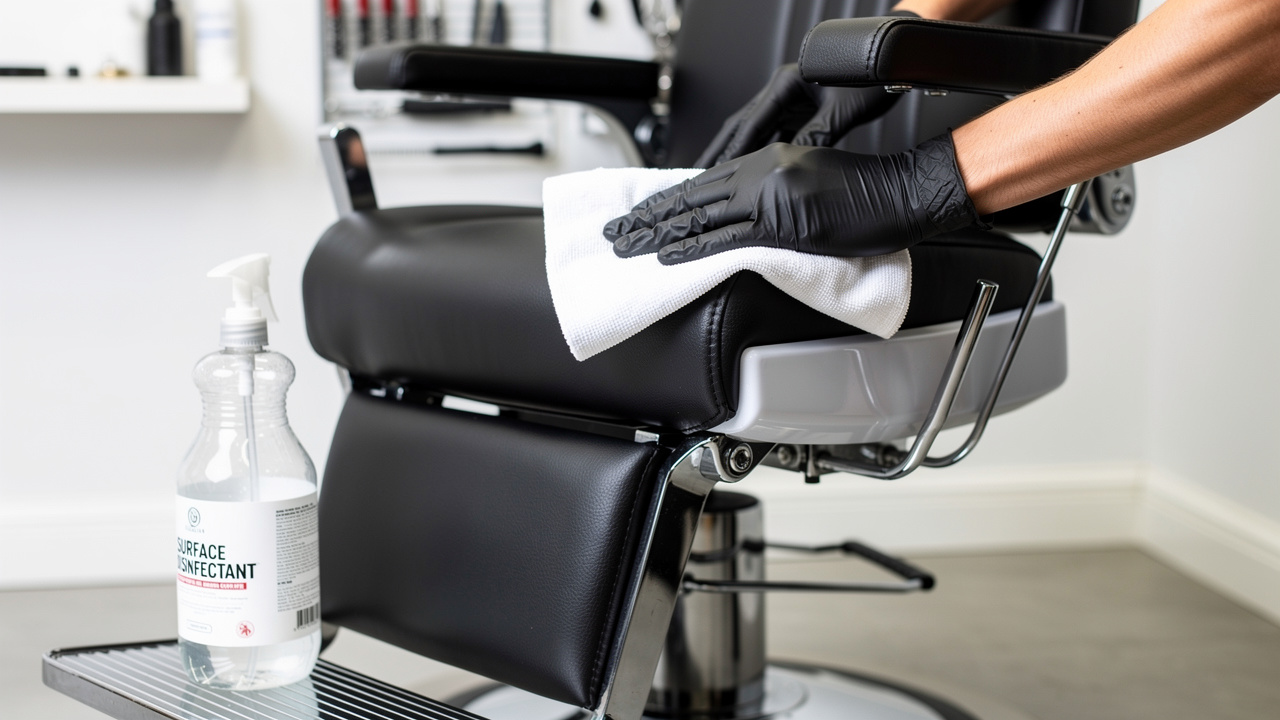
Since 2020, clients have become far more aware of sanitation, and inspectors pay close attention to high‑contact surfaces. A professional barber chair that is hard to clean or full of tight crevices slows service and raises questions about safety.
Good design turns cleaning into a quick habit, not a burden.
Material Selection For Optimal Sanitization
Start with non‑porous materials:
-
Commercial‑grade vinyl and sealed leather that do not absorb liquids
-
Vinyl rated to handle repeated use of industry disinfectants
-
Smooth, continuous surfaces instead of deep tufting or busy stitching
-
Minimal seams and covered joints so hair and dust have fewer hiding spots
-
Bases and frames finished in chrome or matte coatings that wipe clean easily
All SalonAct chairs are laid out with cleanability as a core requirement, right alongside comfort and strength.
Establishing Effective Maintenance Protocols
Simple routines keep chairs safe and extend their life:
-
Daily:
-
Disinfect all contact surfaces between clients
-
Remove hair from footrests and around the base
-
Do a quick visual check for damage or looseness
-
-
Weekly:
-
Clean the base and hidden areas more thoroughly
-
Wipe the hydraulic shaft
-
Gently tighten accessible bolts and screws
-
-
Monthly:
-
Cycle through full height, recline, and rotation
-
Check upholstery for early wear
-
-
Yearly:
-
Perform a deep inspection or schedule professional service
-
Review maintenance logs and address recurring issues
-
SalonAct supplies maintenance guidance with each model so these routines are easy to follow.
Addressing Minor Repairs Promptly
Small problems grow fast if ignored:
-
Tiny vinyl tears widen with movement and cleaning, and exposed foam raises hygiene concerns.
-
Slightly loose bolts can turn into wobbling armrests or unsafe footrests.
-
Sticky pumps often fail completely if warning signs are ignored.
Train staff to report early issues, and act fast. Many SalonAct customers keep our support details handy so we can walk them through simple fixes before they turn into larger expenses.
Customization And Personalization: Creating A Cohesive Brand Experience
After comfort, strength, and hygiene are covered, customization turns your chairs into part of your brand story. Clients notice when everything feels coordinated, from wall color to upholstery to metal finishes—and those details look great on social media.
Customization does not always mean a huge budget. Common options include:
-
Upholstery colors that match your logo or interior palette
-
Contrasting stitching or piping for subtle accents
-
Embroidered logos on headrests or back panels
-
Base finishes in chrome, matte black, bronze, or copper
-
Matching handle and footrest styles across all stations
Some owners choose full custom builds; more often, they start with a standard SalonAct model and adjust finishes for a made‑for‑your‑space feel. Custom orders usually add a few weeks to delivery and may involve minimum quantities for special materials.
Where SalonAct Fits In Your Barber Chair Selection Journey
Choosing a professional barber chair is partly about the product and partly about the partner behind it. The right supplier offers clear guidance, dependable quality, sensible customization, and long‑term support.
SalonAct focuses on professional furniture built specifically for salons and barbershops:
-
Construction: Steel frames, commercial‑grade upholstery, and tested hydraulic or electric systems as the foundation.
-
Range: Classic, vintage‑inspired, modern, and luxury electric designs so you can match any concept.
-
Customization: Color, stitching, base finish, and logo placement options to connect equipment to your brand.
-
Pricing: Fair, competitive levels in the mid to premium bands where most serious shops find the best value.
-
Fulfillment: U.S.‑based operations for faster delivery and quicker replacement parts.
-
Support: Guidance during selection, clear setup and care information, and responsive help when something goes wrong.
When you are ready, explore our SalonAct barber chair collection or request a consultation. We help match the right chairs to your services, space, and budget instead of pushing a one‑size‑fits‑all option.
Conclusion
A professional barber chair shapes how clients feel in your hands, how your staff feel at the end of the day, how smoothly services run, and how your brand appears in every photo and review. Treating this purchase as a strategic decision—not just a furniture buy—changes the question from “What is cheapest?” to “What will support this shop for years?”
Use this guide to:
-
Put dual comfort first
-
Inspect construction and materials carefully
-
Match features to your service menu
-
Think in terms of total cost of ownership
-
Check warranties and support
-
Make hygiene and cleanability non‑negotiable
-
Use style and customization to reinforce your brand
Cutting corners on chairs often means paying more later through repairs, downtime, and lost trust. With SalonAct as your partner and the insights from The 2026 Expert Guide To Choosing A Professional Barber Chair, you can invest with confidence and build a shop that serves clients and staff well for many years.
FAQs
Question 1: How Much Should I Expect To Invest In A Quality Professional Barber Chair?
For a true professional barber chair that handles daily shop use, expect roughly $600–$1,200 per chair. In this band you usually get steel frames, commercial vinyl, and reliable hydraulics that can last six to ten years with proper care. Chairs under about $500 often suit home or very low‑volume settings. Premium and electric chairs usually land between $1,200–$2,500 and can stay in service even longer. Spread over a decade, a solid $800 chair often costs less per year than a cheap model that fails quickly. SalonAct places most chairs in that value‑focused professional range.
Question 2: What's The Difference Between Hydraulic And Electric Barber Chairs, And Which Should I Choose?
Hydraulic barber chairs use a foot pump filled with fluid to raise and lower the seat. They are simple, proven, and do not need electrical outlets at the station. Maintenance is straightforward.
Electric chairs rely on motors and buttons to control height, recline, and sometimes leg rests. Movements feel almost effortless and very precise, and some models offer memory positions.
Electric chairs usually cost more and require access to power plus more technical servicing. For high‑volume, budget‑minded shops, quality hydraulic SalonAct chairs are usually the better fit. For premium, service‑heavy, or design‑focused spaces that charge higher prices, SalonAct electric chairs can add a real sense of comfort and drama.
Question 3: How Do I Know If A Barber Chair Is Durable Enough For Daily Commercial Use?
Look for these signs of commercial‑grade durability:
-
Steel frame and wide, heavy base
-
Published weight rating of at least 350–500 lbs
-
Commercial‑grade vinyl with solid thickness
-
Smooth, quiet hydraulic movement with no sudden drops
-
Stable recline and rotation with no wobble
-
Strong stitching at corners and high‑stress areas
-
Clear warranty terms and a manufacturer known for serving barbershops
SalonAct designs chairs specifically for daily commercial use and backs that with clear specs and appropriate warranty coverage.
Question 4: What Maintenance Do Professional Barber Chairs Require?
A simple routine goes a long way:
-
Every client: Disinfect contact surfaces and clear hair from footrests and around the base.
-
Daily: Quick visual check for loose parts or unusual noises.
-
Weekly: Deep‑clean the base and hidden spots; wipe the hydraulic shaft; tighten accessible bolts.
-
Monthly: Run full height, recline, and rotation; inspect upholstery for early wear.
-
Yearly: Schedule a thorough inspection or professional service and review your maintenance log.
These steps take only a few minutes per week per chair but can add years to their life. SalonAct includes model‑specific care tips with each chair.
Question 5: What Warranty Coverage Should I Expect On A Professional Barber Chair?
For a professional barber chair, you should expect:
-
At least one year of overall coverage
-
Longer coverage (often 2–5 years) for the structural frame and hydraulic base
-
Clear inclusion of the pump, frame, base, and key mechanical parts
-
For electric chairs, explicit coverage of motors and controls
-
Clear language on whether labor is included, not just parts
Always confirm the warranty applies to commercial use. SalonAct backs our chairs with written warranties designed for busy barbershops, not just home use.
Question 6: How Many Chairs Should I Purchase?
Many owners ask how many barber chairs they should plan for when opening or expanding a shop. Start by estimating how many clients each barber sees per hour and how many barbers you will schedule at peak times. Most shops match one chair to each staffed station, adding an extra only when space and budget allow. It is usually better to have fewer, higher‑quality SalonAct chairs in steady use than extra low‑cost chairs that sit empty.