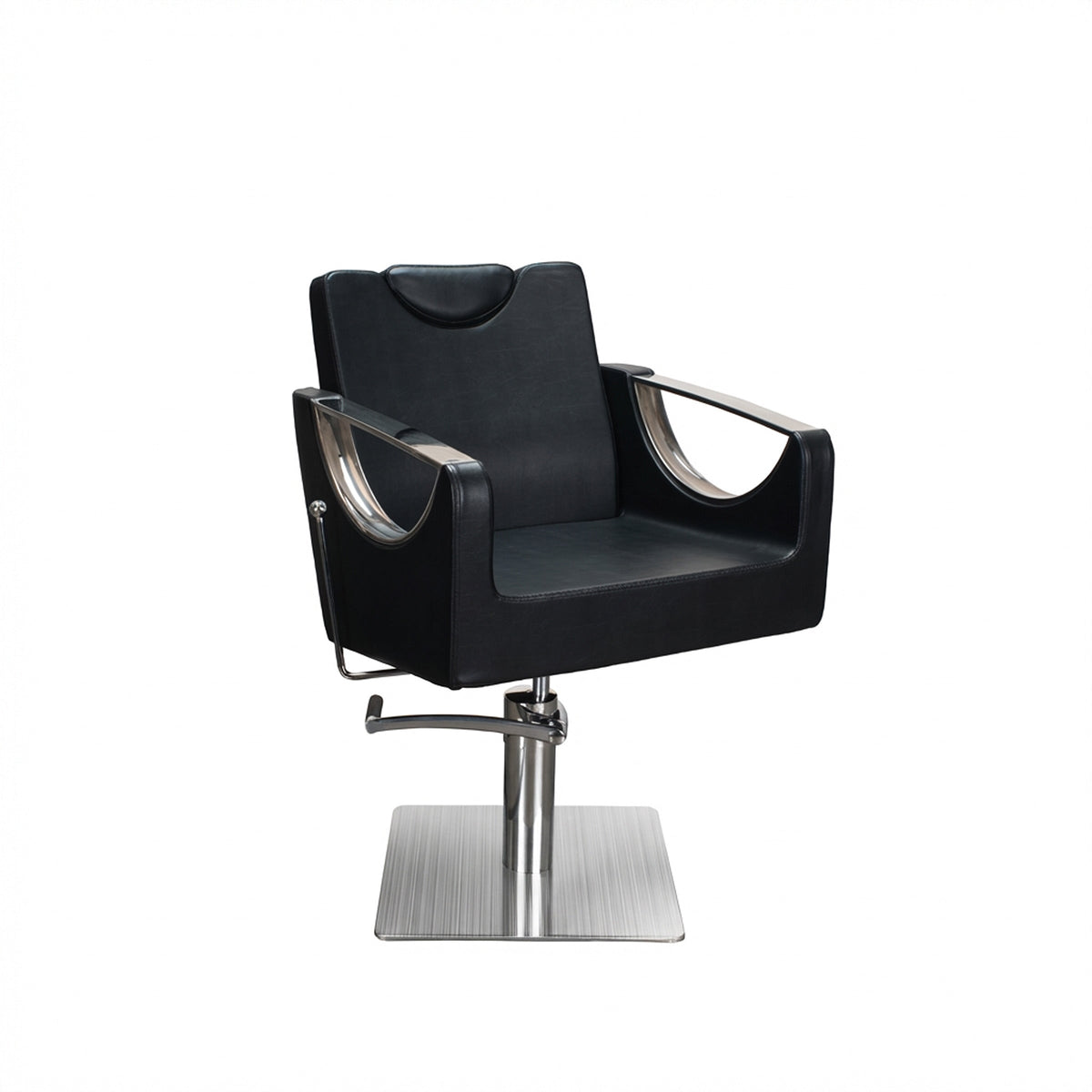
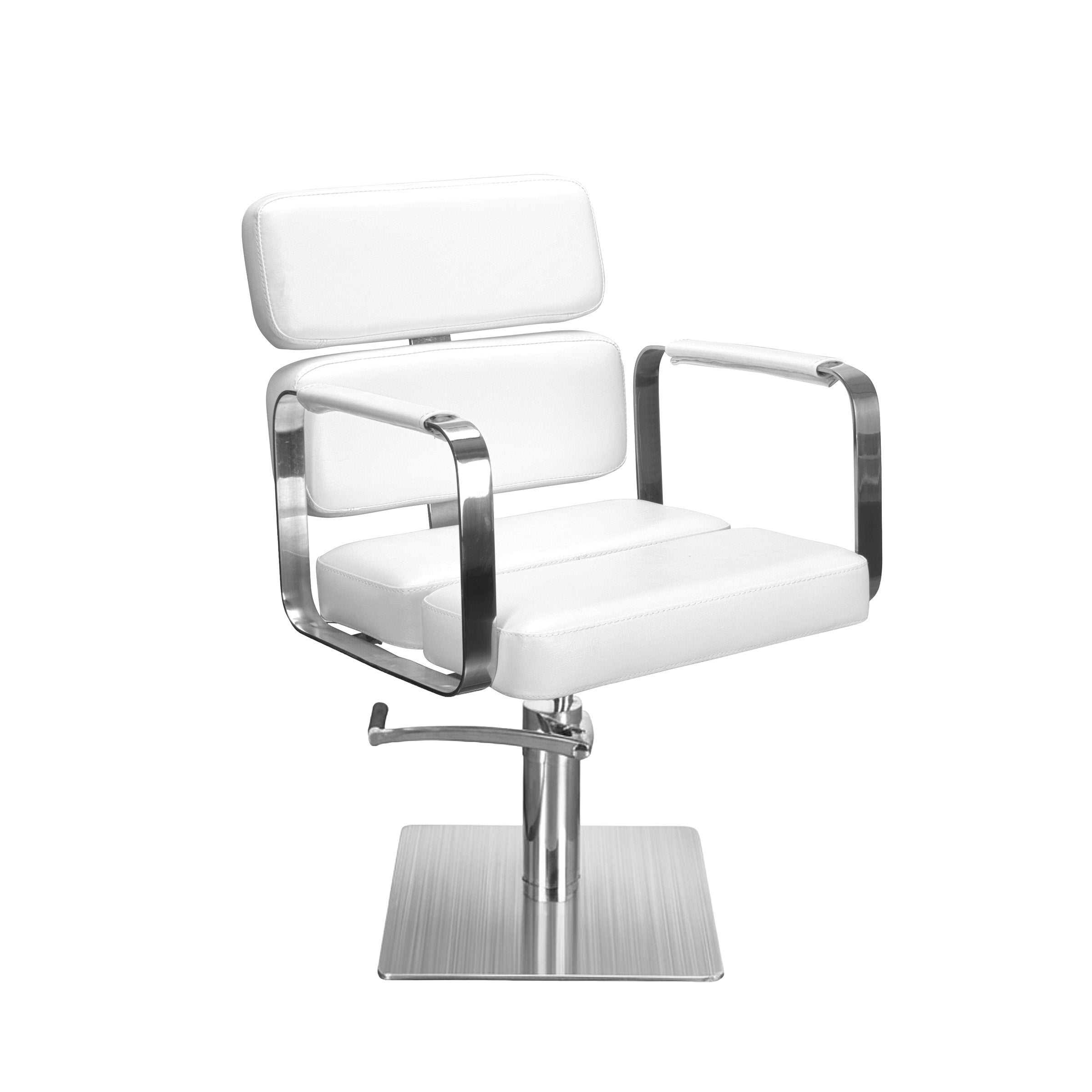
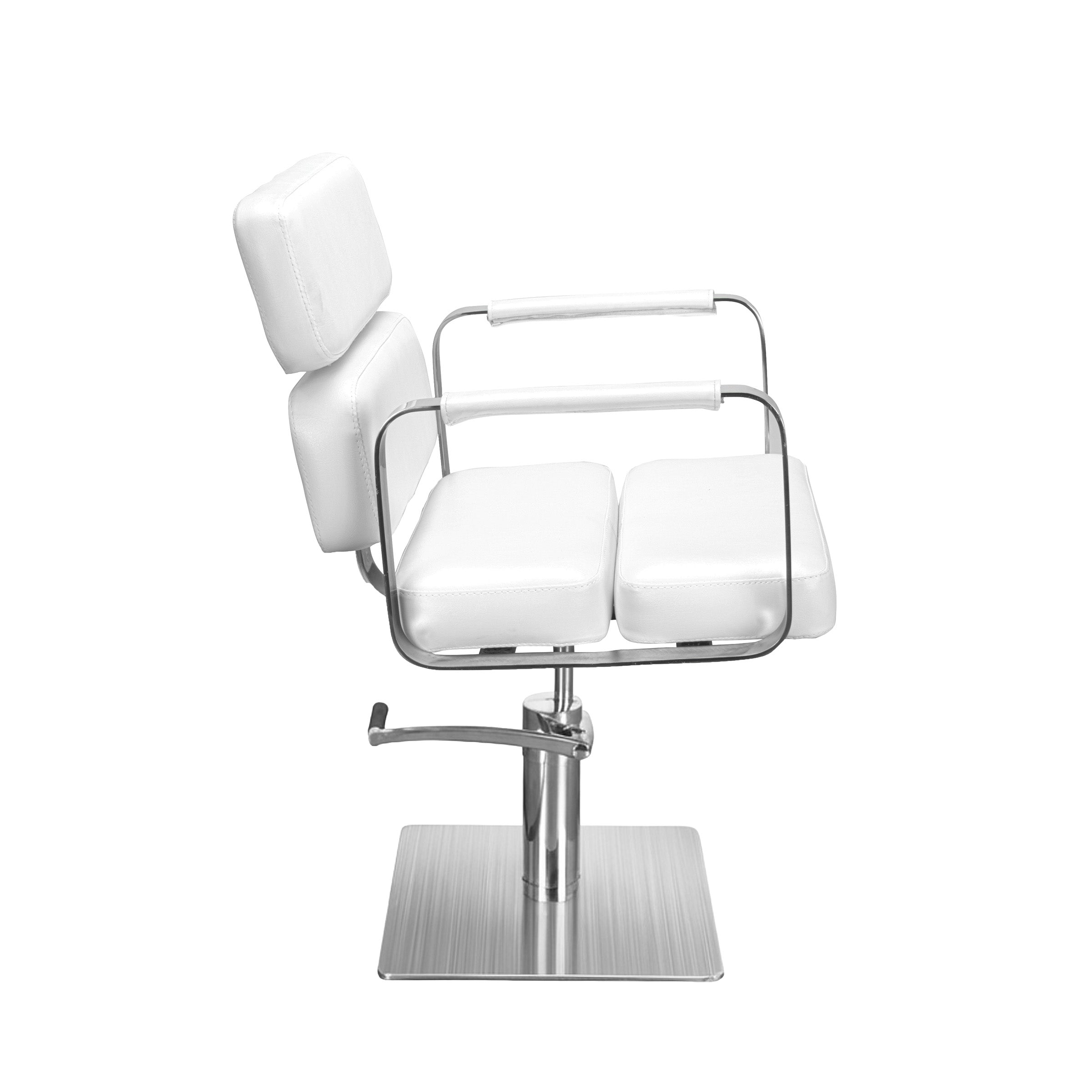
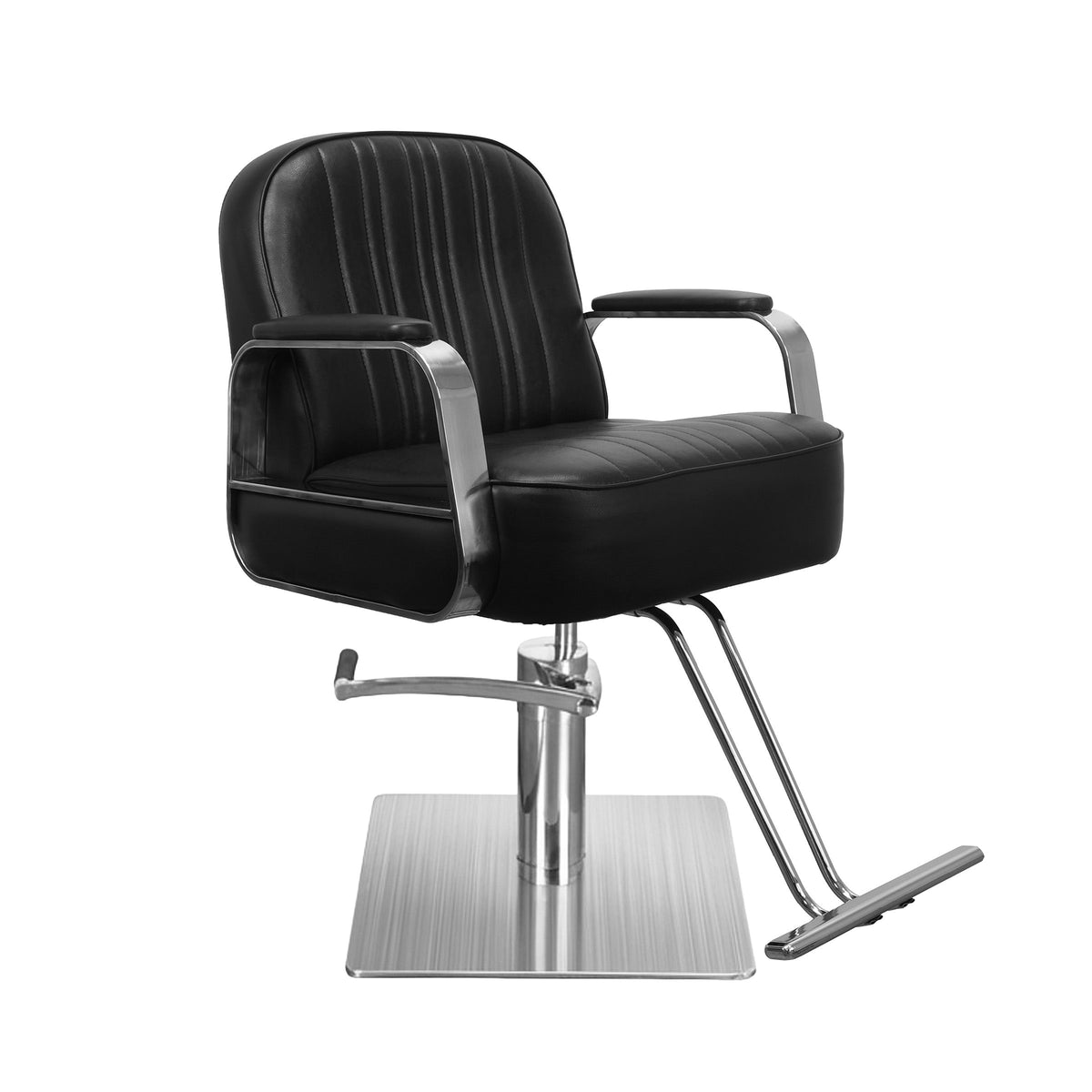
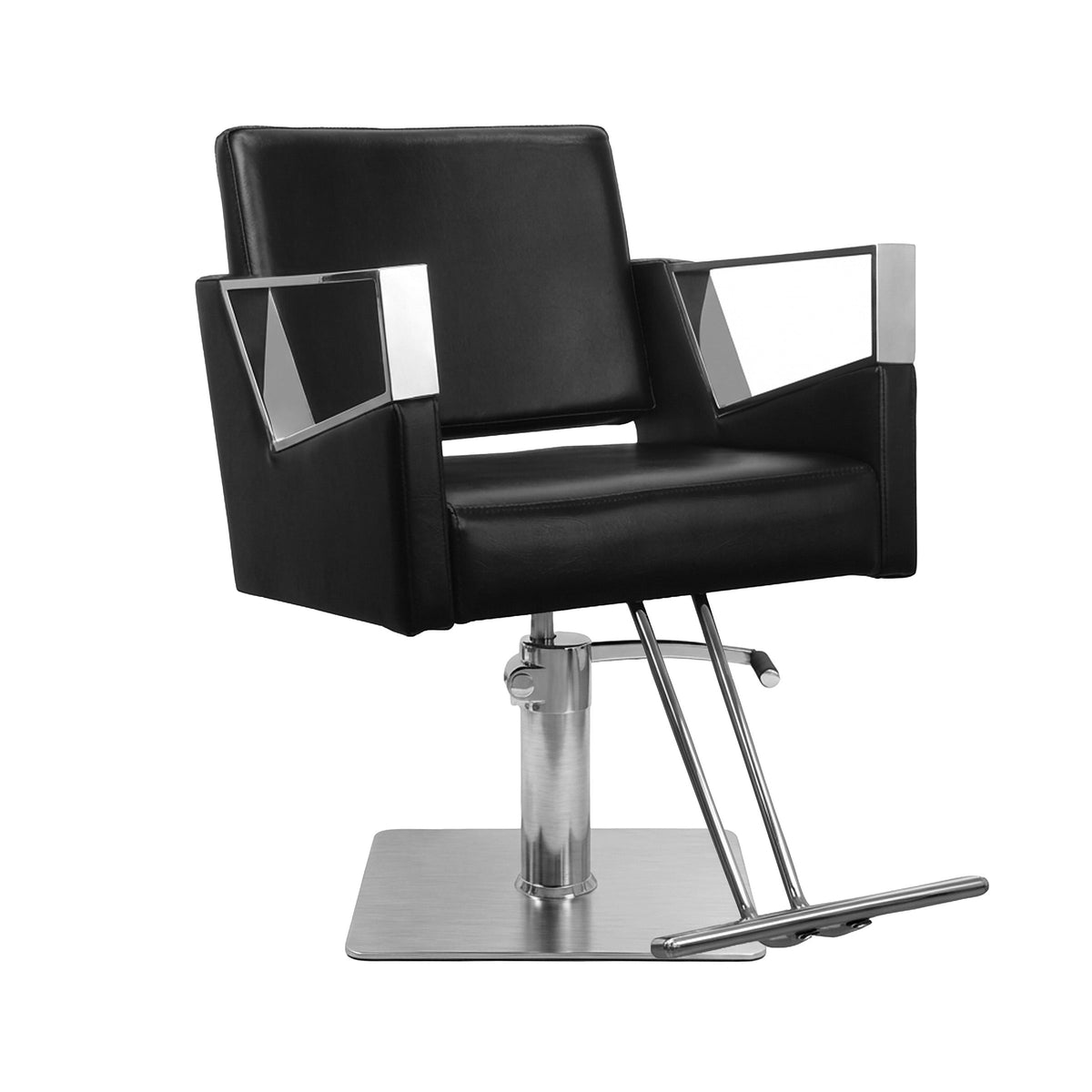
2026 Salon Chair Guide: Durability & Client Comfort
Introduction
A salon chair looks simple, but it runs the service floor the way an engine runs a car. When it works, the day feels smooth; when it breaks, schedules and revenue fall apart. This 2026 Salon Chair Guide focuses on durability, client comfort, and how chairs protect income, staff health, and brand image.
Every appointment runs through a chair. Clients remember if they feel cramped or sore, and stylists remember fighting a sinking pump or wobbly base. Owners have to balance tight budgets with the need for long‑lasting, comfortable furniture that does not demand constant repairs.
By 2026, expectations rose: clients notice ergonomic comfort, clean design, tech touches like charging ports, and greener materials. Stylists expect gear that protects backs and joints. Owners want chairs that last seven to ten years, not two or three.
In this guide, we cover business value, must‑have features, materials, smart tech, budgeting, branding, maintenance, and layout. Along the way, we show how SalonAct supports salons with professional‑grade furniture, flexible customization, fast U.S. shipping, and real human support.
Key Takeaways
-
Quality salon chairs link client comfort, stylist health, and brand image. Ergonomic chairs can cut stylist back pain by about thirty‑five percent, while comfortable clients tend to rebook and spend more time in the chair.
-
The hydraulic pump is the working core of a styling chair. Look for heavy‑duty pumps rated for at least one hundred thousand cycles, with smooth foot‑pedal lift and a height range that suits most stylists; weak pumps sink mid‑service and create costly downtime.
-
Padding and upholstery decide long‑term comfort. High‑density foam and commercial vinyl or faux leather keep shape and resist stains, while low‑grade foam and thin covers collapse and split early.
-
Spend most of the budget where clients sit longest. Styling chairs and shampoo units handle the most traffic, so they deserve the largest share; regular cleaning and mechanical checks can extend chair life by roughly twenty‑four percent.
-
Thoughtful customization and 2026 tech trends help salons stand out. Matching colors and metals, compact bases, and tech‑ready chairs (like USB ports or massage shampoo units) support both branding and floor space; SalonAct offers configurable designs that fit these aims.
Understanding the True Value of Quality Salon Chairs in 2026
Behind the fabric and chrome, a salon chair sits where three priorities meet: client experience, stylist health, and brand identity. When one of those suffers, the whole business feels it.
Clients notice comfort more than many owners expect. A chair that supports back, legs, and neck can turn a long color session into quiet rest instead of slow discomfort, which encourages better tips, more rebookings, and positive word of mouth.
For stylists, quality chairs are safety gear, not a luxury. Adjustable, ergonomic designs help reduce shoulder, neck, and lower‑back strain; industry data shows stylists who work with ergonomic chairs report about thirty‑five percent less back pain, which means fewer sick days and longer careers.
Budget chairs can look tempting on the invoice but bring hidden costs. Weak pumps fail within a year or two, bases wobble, upholstery splits, and every failure forces rushed repairs, schedule changes, or full replacement after only a short service life.
A well‑built chair can serve seven to ten years with good care. A two‑thousand‑dollar chair that seats five thousand clients costs around forty cents per visit; a five‑hundred‑dollar chair that dies in two years and needs frequent repairs often costs more per use and adds stress.
At SalonAct, we select chairs with this long view in mind, focusing on how they perform in year seven, not only on delivery day. Durable construction, clear care guidance, and strong warranties give owners tools that support profit, protect staff, and reflect the quality of their work.
“Quality is remembered long after price is forgotten.” — Often attributed to Aldo Gucci
Essential Features Every 2026 Salon Chair Must Have
Before scrolling through colors and photos, it helps to know the features that define a true professional chair. These are essentials for salons and barbershops that handle daily, heavy use and want to avoid constant repairs.
Uncompromising Ergonomic Design for All-Day Comfort
Ergonomics should guide the whole chair. A contoured seat with lumbar support, solid armrests, and a footrest keeps clients comfortable for two‑ to four‑hour sessions by reducing pressure points and fidgeting.
For stylists, good ergonomics reduce bending, twisting, and stretching. A chair that adjusts to the right height and rotates smoothly helps maintain neutral spine and relaxed shoulders; studies show stylists using ergonomic seating report around thirty‑five percent less back pain.
When we review chairs at SalonAct, we sit, spin, recline, and adjust them the way a real team would. Owners should do the same: if adjustments feel smooth and natural in a short test, they are far more likely to feel that way over a full workday.
“Form follows function.” — Louis Sullivan
Heavy-Duty Hydraulic Systems Built to Last
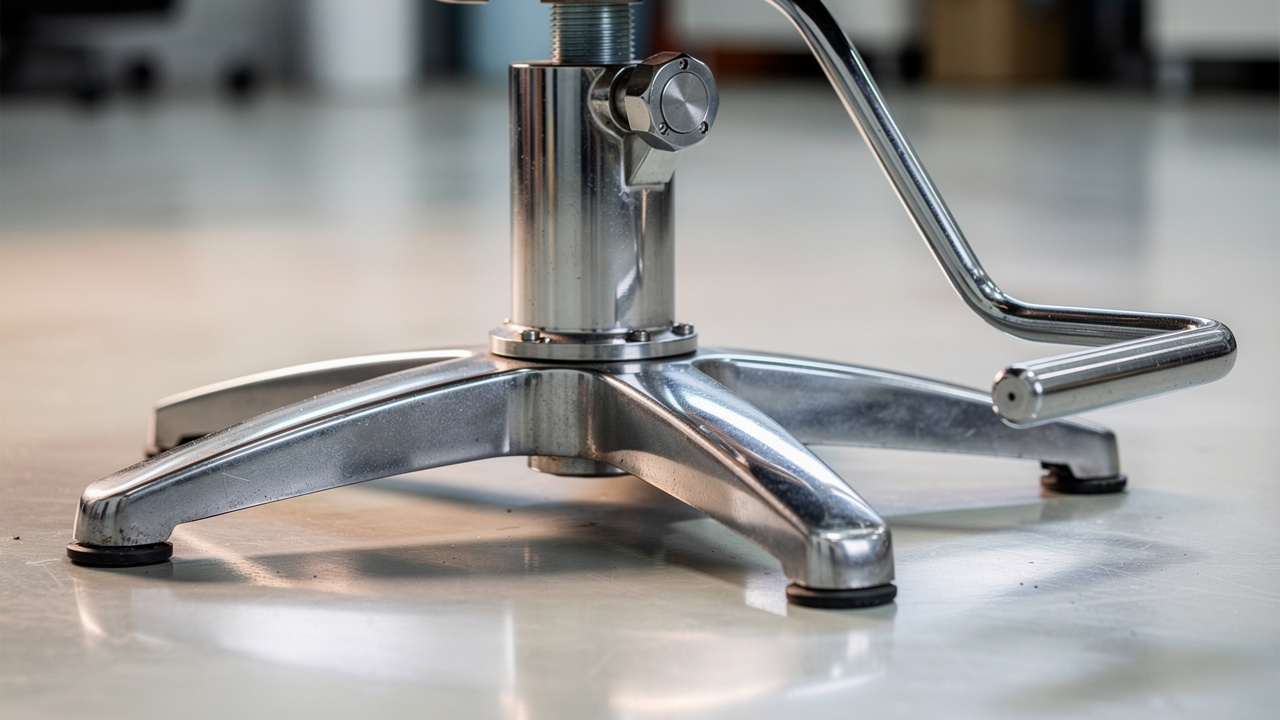
The hydraulic pump is the moving core of any styling chair. A good pump lets stylists adjust height with a few presses of a foot pedal, keeping motion smooth and hands free from contact with oily parts.
Professional‑grade pumps are often rated for one hundred thousand cycles or more, which matters when one chair may see twenty to forty clients a week for years. A working range of roughly forty‑five to sixty‑five centimeters suits both shorter and taller stylists with clients of many sizes.
Warning signs of pump trouble include slow sinking, jerky motion, or loud noises. When we choose chairs for the SalonAct catalog, we look for pumps backed by multi‑year warranties, so owners are not paying out of pocket for early failures.
Premium Upholstery and High-Density Padding
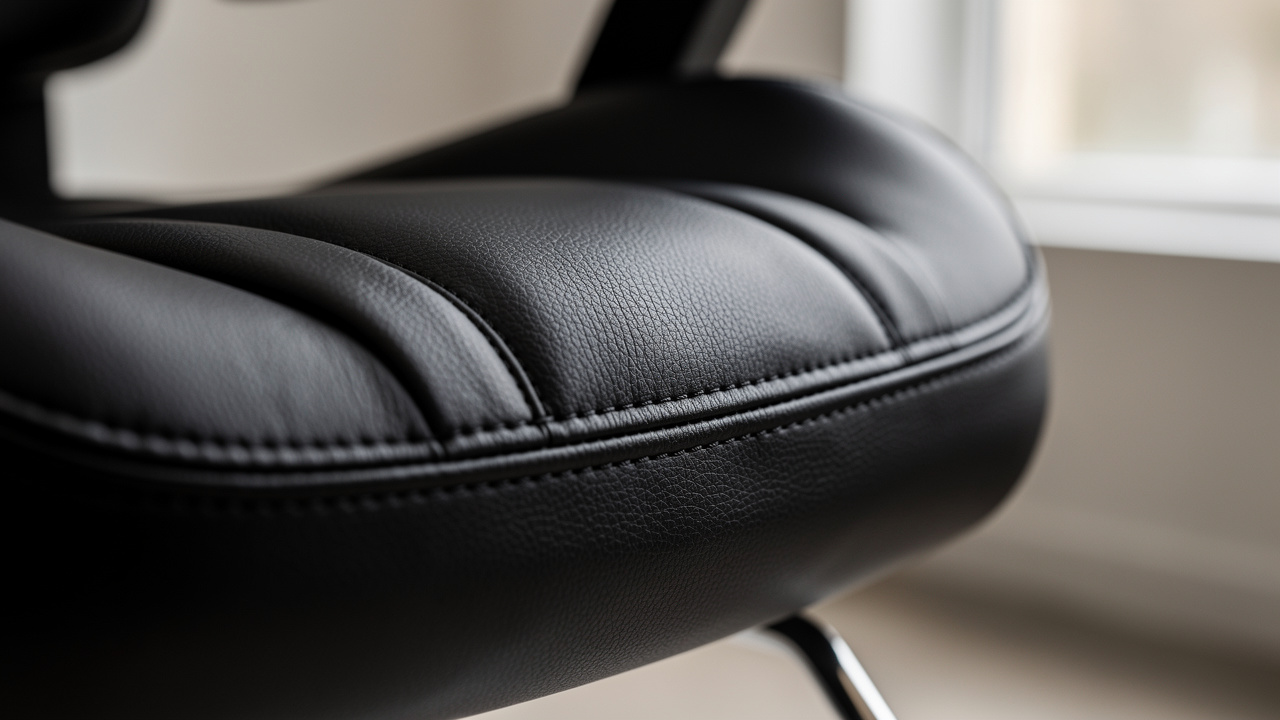
Comfort starts with what clients feel under them. High‑density foam, around forty kilograms per cubic meter, offers softness without bottoming out and springs back after each use, so seats do not develop dips or hard spots.
Upholstery must withstand color, bleach, styling products, and constant cleaning. Commercial vinyl and quality faux leather are ideal because they are non‑porous, stain‑resistant, and easy to wipe with mild products, while modern options can mimic real leather or fabric.
At SalonAct, we favor upholstery lines that balance comfort with long wear: thicker material, reinforced backing, and surfaces tested against common salon chemicals so chairs keep looking fresh well past the first year.
Structural Stability and Weight Capacity
Under the padding, structure keeps clients safe. A professional chair should use a reinforced metal base, usually chrome or stainless steel, with a weight rating above four hundred fifty pounds and a wide round or star base to resist tipping.
Weak frames or thin bases create real safety risks and legal exposure if a client falls. That is why every SalonAct chair line relies on heavy‑gauge metal, strong welds, and tested weight limits so the foundation matches the promises made by the upholstery on top.
Choosing the Right Type of Salon Chair for Each Station
No single chair style handles every task well. A strong layout uses the right chair in the right place so each service feels smooth for client and stylist and budget goes to the stations that matter most.
Styling Chairs: The Foundation of Your Service Delivery
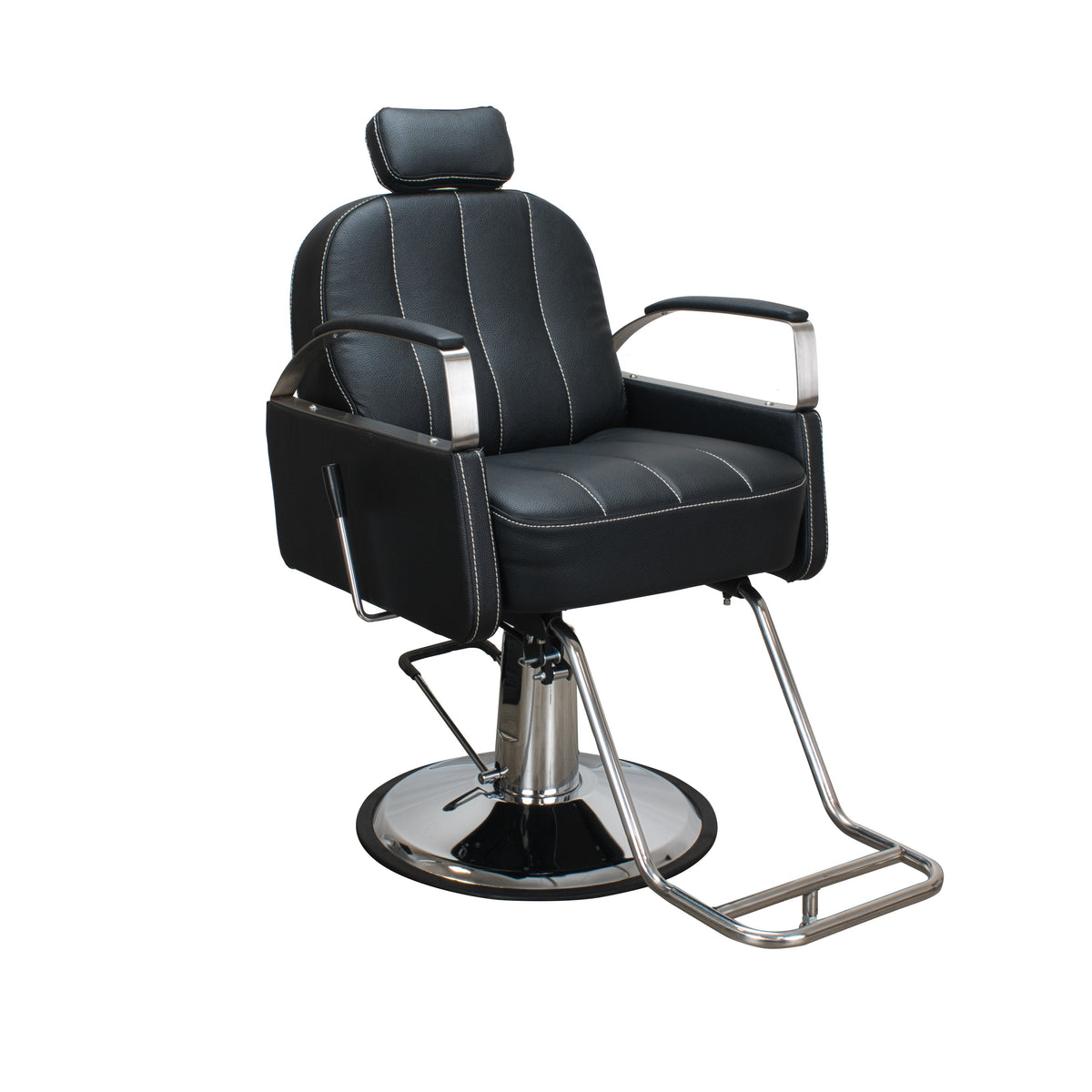
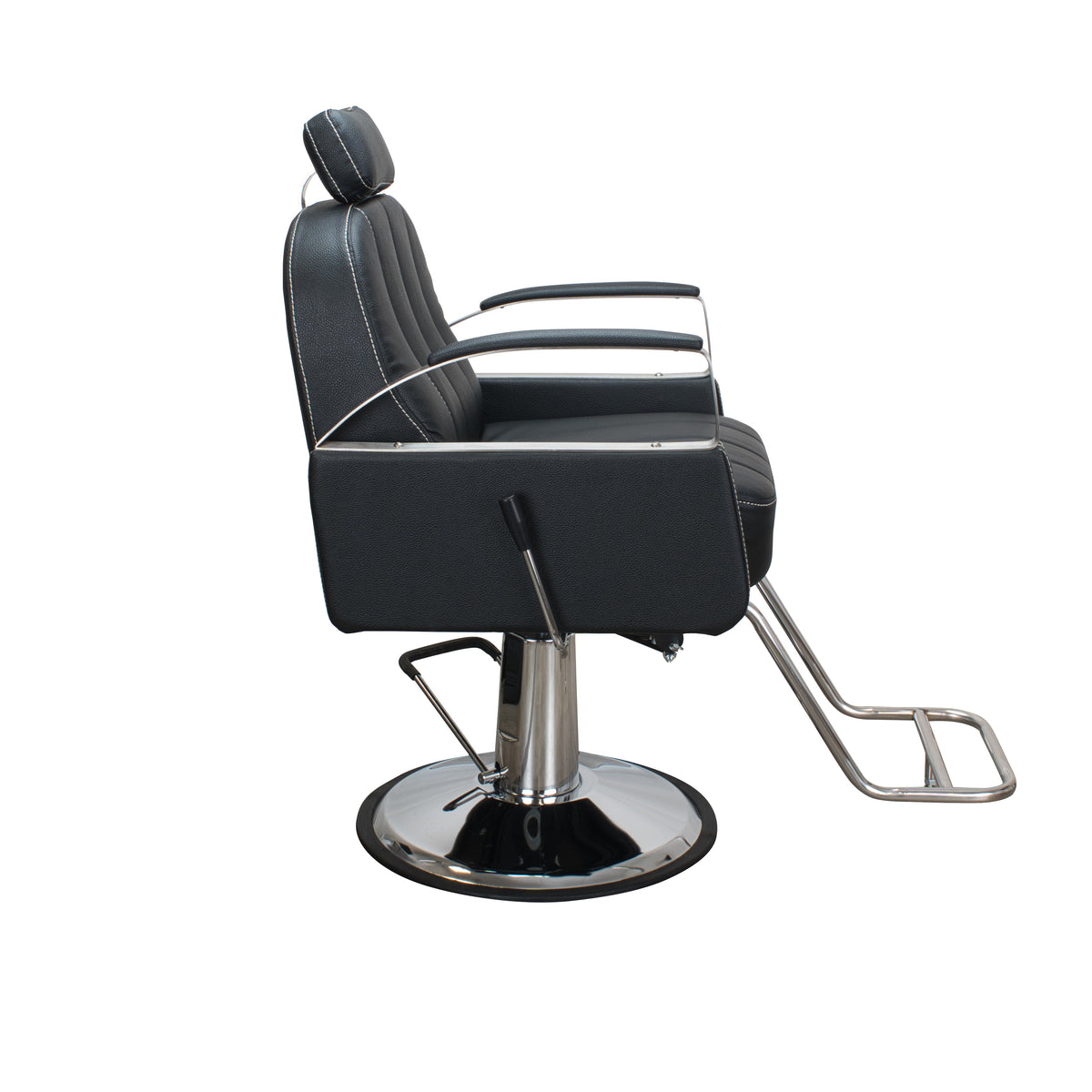
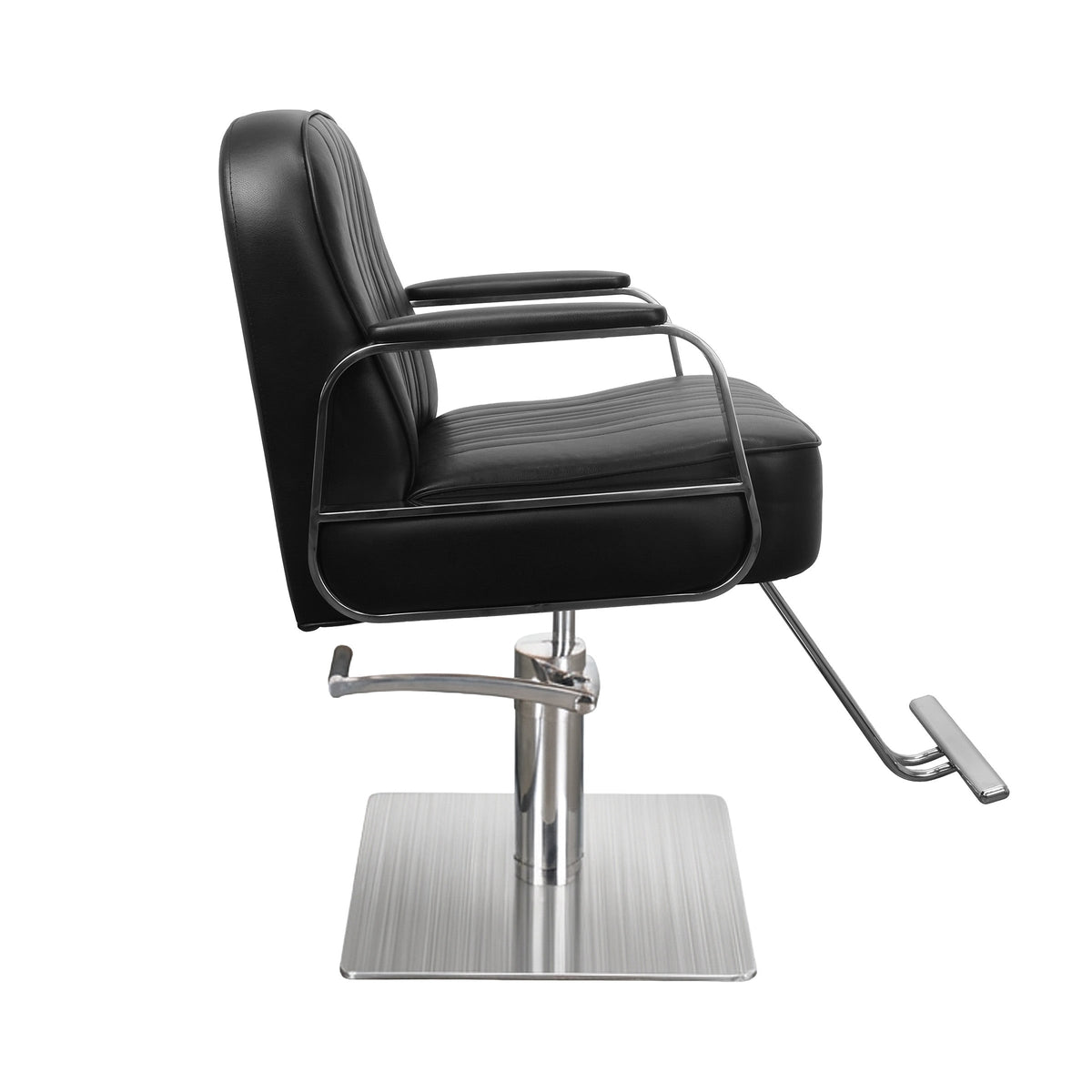
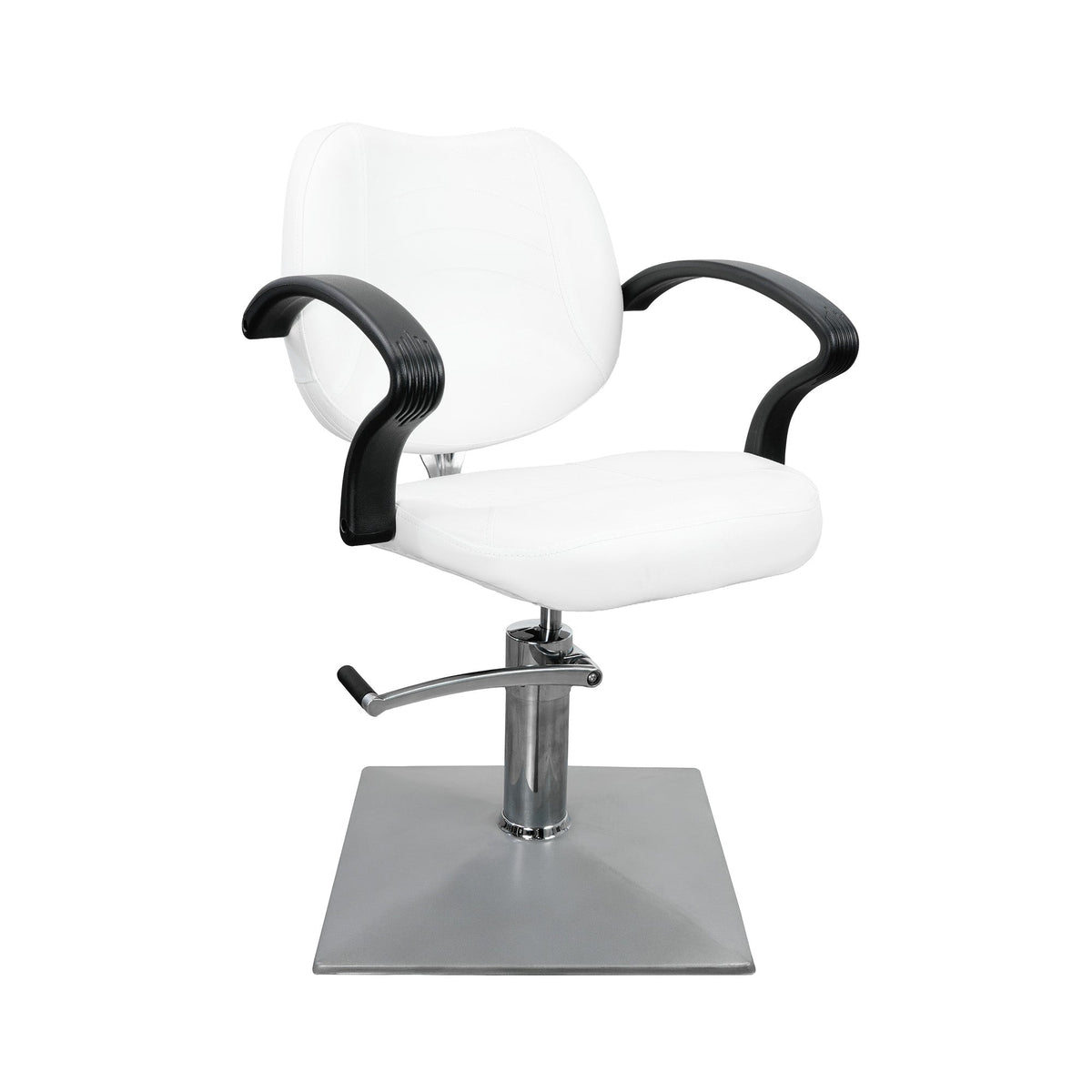
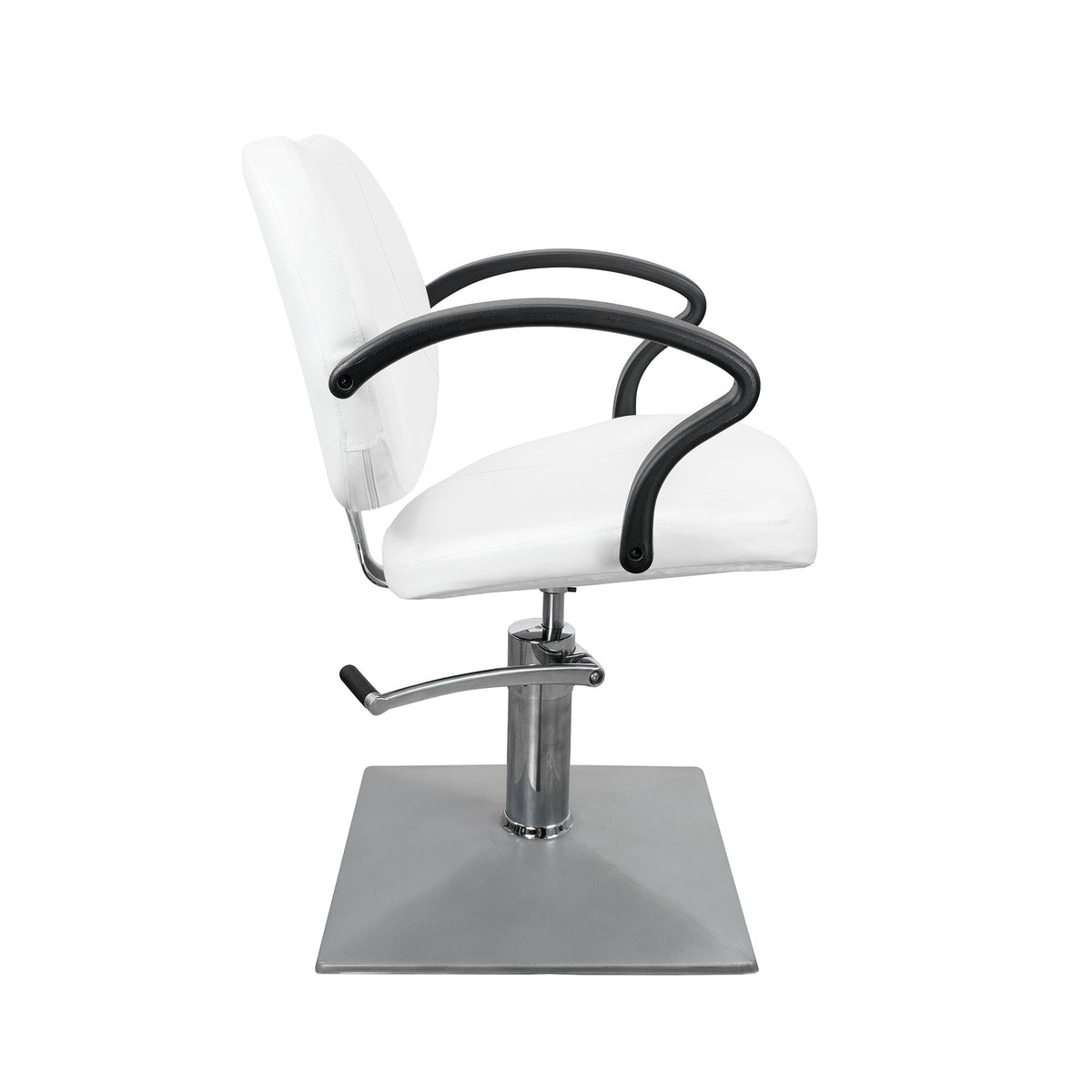
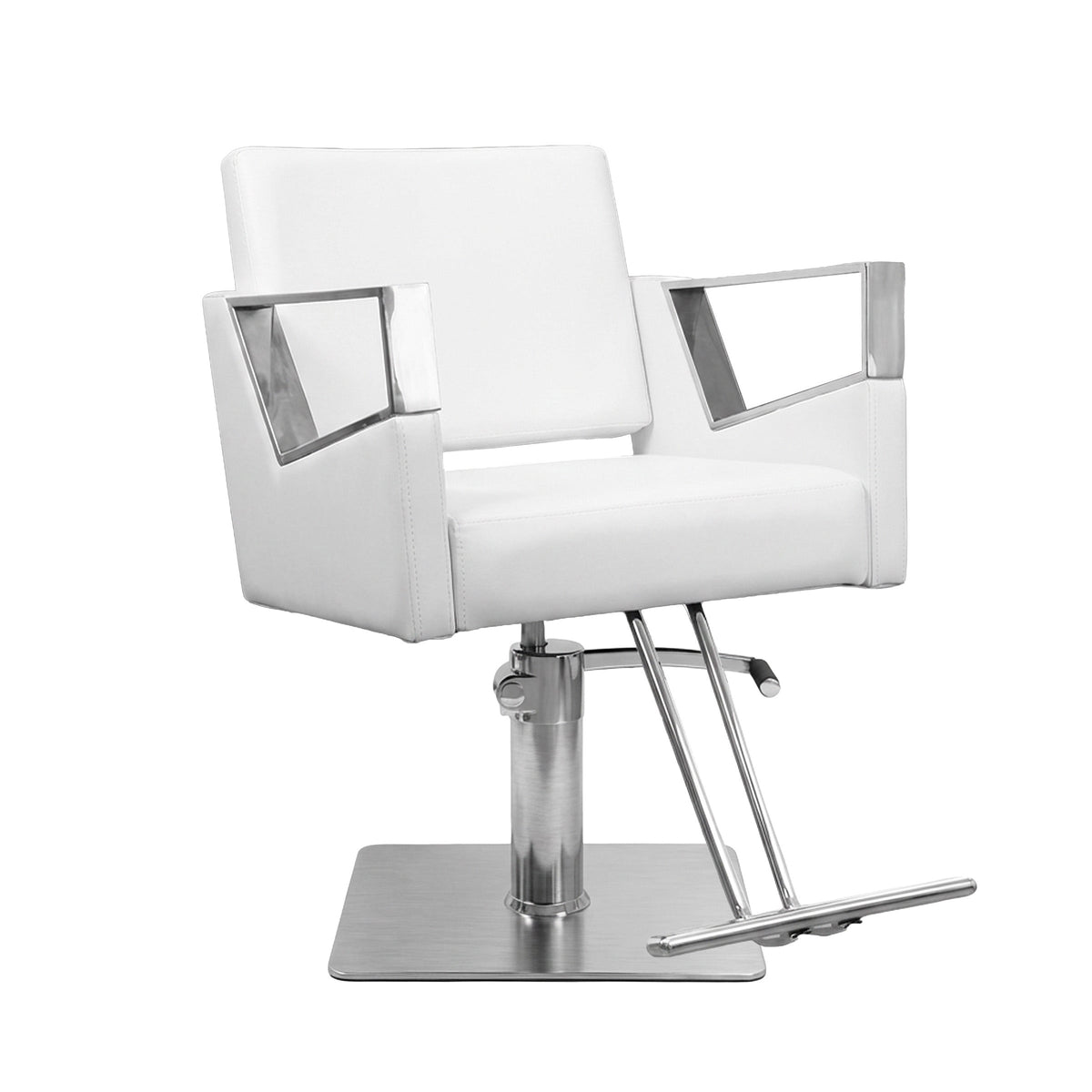
Styling chairs carry most of the revenue load. Because cuts, color, blowouts, and many treatments happen here, these chairs deserve top investment: a heavy‑duty hydraulic pump, full three‑hundred‑sixty‑degree swivel with a lock, and a solid base rated for at least four hundred fifty pounds.
During one visit, a stylist may adjust height eight to twelve times, and over a week one chair may serve twenty to forty clients, which means thousands of pump cycles and turns each year. SalonAct styling chair lines are built for this pace while still matching modern salon aesthetics.
Shampoo Chairs: Creating the Relaxation Experience
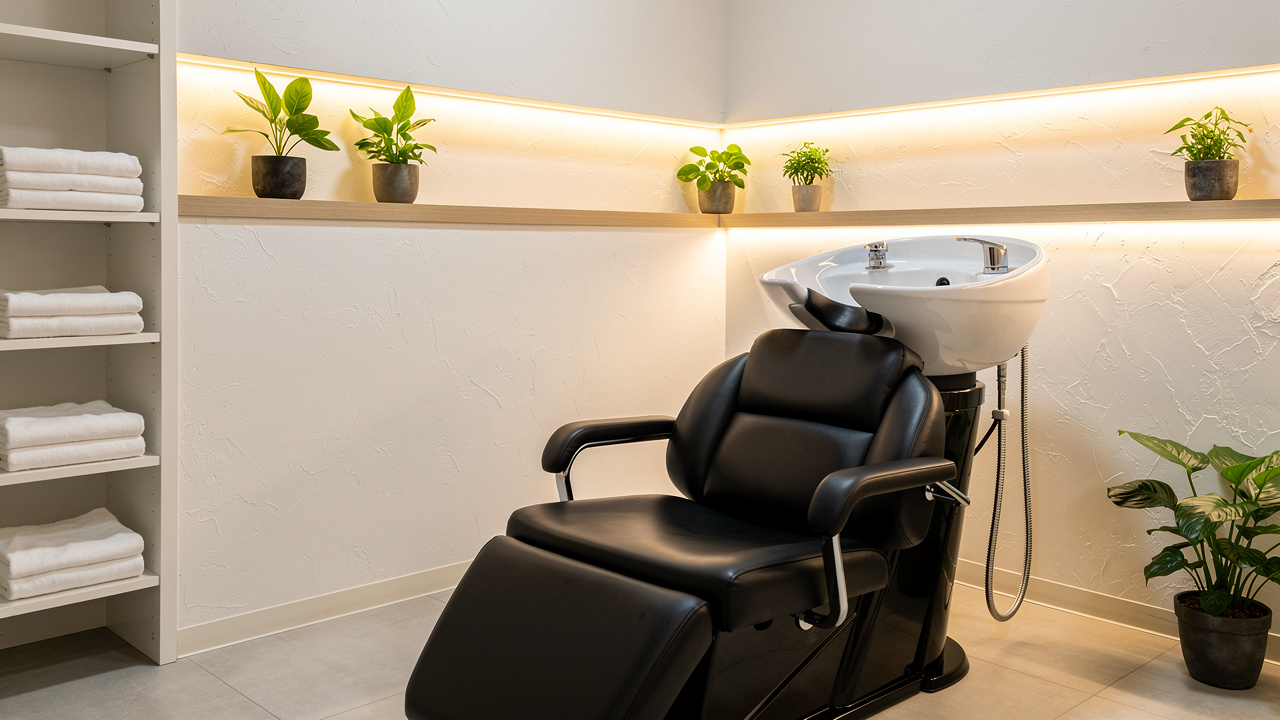
The shampoo zone should feel like a calm pocket inside the salon. Chairs here must support neck and lower back while keeping the head at the right angle for the bowl, so adjustable recline, deep bowls, and cushioned headrests are key.
Poor neck support can overshadow an otherwise great service. For stylists, the right mix of chair height and bowl position cuts bending and awkward reaching, and many 2026 shampoo units now add gentle massage functions that turn a simple wash into a mini spa visit.
When we select shampoo chairs for SalonAct clients, we look for the sweet spot between comfort, posture support, and durability under constant water and product exposure.
Multi-Purpose and Specialty Chairs: Maximizing Flexibility
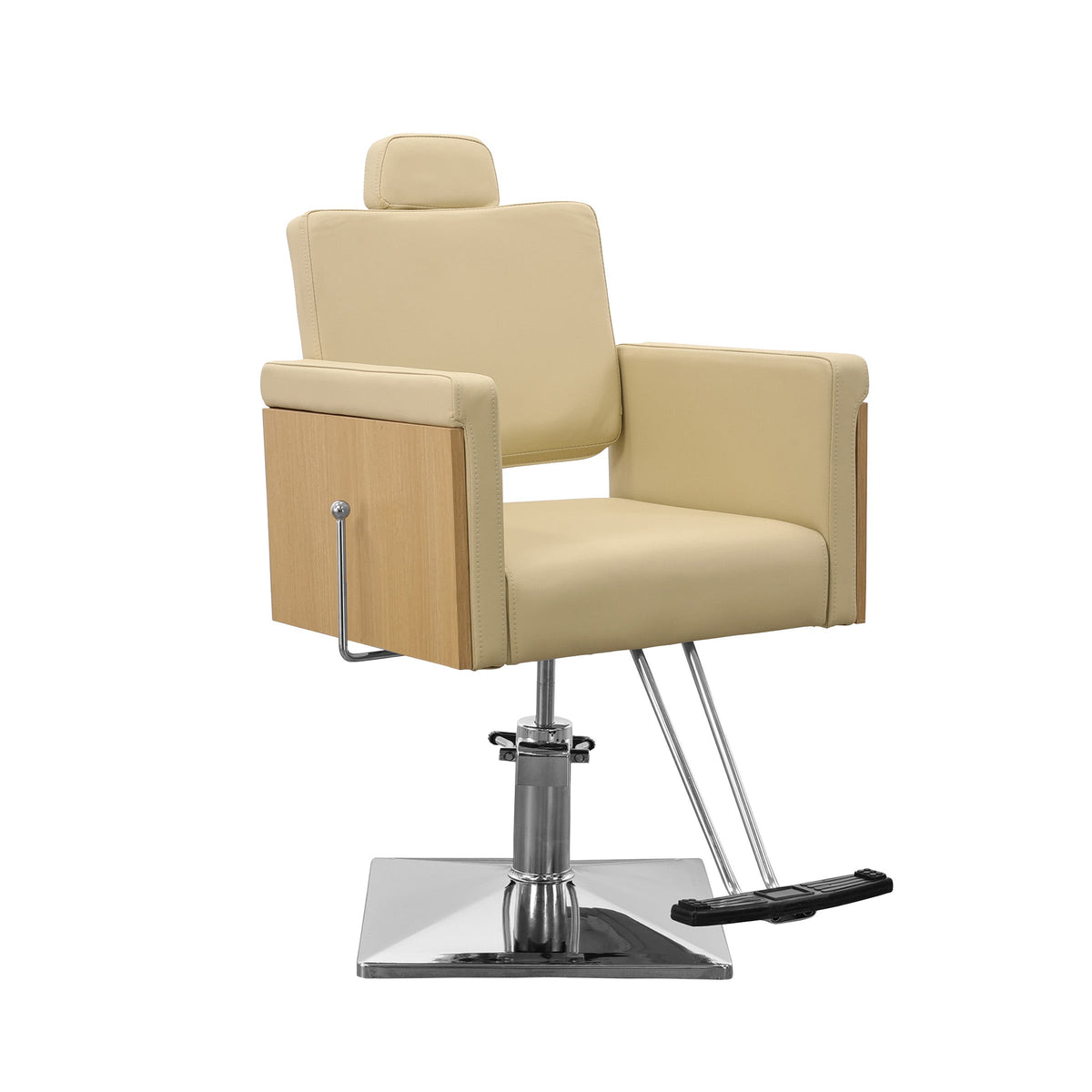
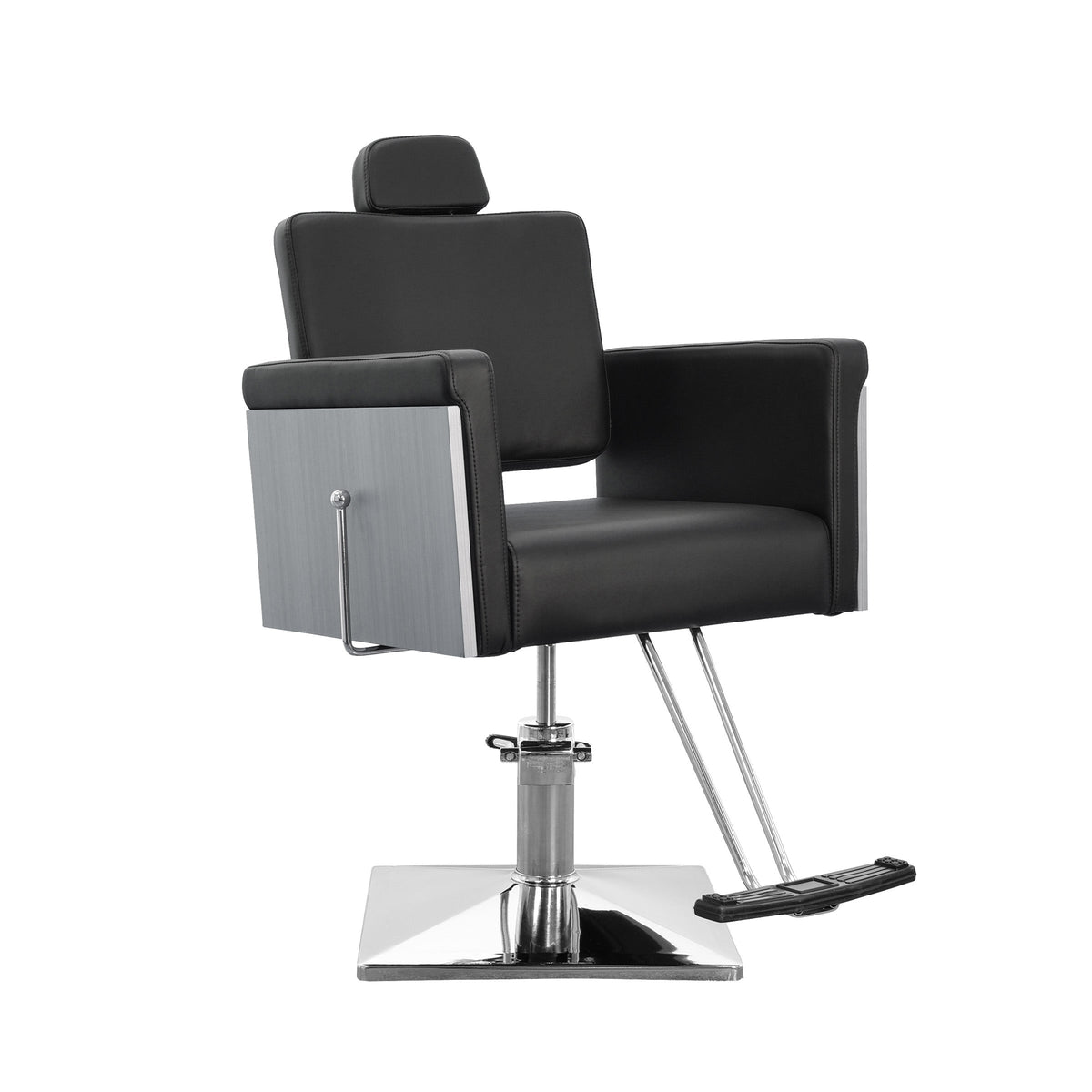
Multi‑purpose chairs allow smaller spaces to do more. They often recline further, add removable or sliding headrests, and include adjustable footrests so one base can handle hair services, brow work, makeup, or facial treatments.
For growing salons, this flexibility avoids early spending on separate units for every new service. A single high‑quality multi‑purpose chair can replace several specialty pieces while taking less floor space, which also appeals to mobile and studio‑style professionals.
SalonAct focuses closely on this category because many new beauty businesses want furniture that can grow with them instead of locking them into one fixed use.
Salon Chair Materials: Balancing Durability, Aesthetics, and Maintenance
Materials decide how a chair ages, how easy it is to clean, and how well it matches the brand look. The right mix depends on traffic, climate, cleaning habits, and the feeling the owner wants in the room.
Upholstery Options: From Practical Vinyl to Luxurious Leather
Most professional chairs use genuine leather, high‑grade vinyl, or modern faux leather. Real leather brings a rich feel and high‑end look that suits private studios or VIP rooms and develops a soft patina over time.
The tradeoff is higher price and more care: leather can add hundreds per chair, needs regular conditioning, and marks easily from color and bleach. For high‑volume spaces, thick commercial vinyl or quality faux leather often make more sense because they are tough, non‑porous, and simple to wipe.
The best vinyls use heavier material with reinforced backing and sometimes antimicrobial treatments; newer eco‑focused versions use recycled content or gentler production methods. At SalonAct, we rely mainly on professional vinyl for styling zones and suggest leather only for lower‑traffic seating where spills are rare.
Structural Materials: Steel, Aluminum, and Chrome
Under the upholstery, the frame and base carry real stress. Stainless steel offers great strength and resistance to rust, chrome‑plated steel delivers the classic bright salon look when the plating is thick, and aluminum often appears in arms and trim for a lighter, minimalist style.
Base shape also matters: round and square bases feel solid and clean, while five‑point star bases save a little space and add a technical feel.
When our team at SalonAct reviews chairs, we check for smooth welds, strong metal gauge, and even plating without pits, since these small clues reveal more about real strength than any catalog line.
Hardware and Finishing Details That Matter
Small parts do a lot of work. Footrest bars, arm brackets, and adjustment levers take constant contact from hands and shoes, and low‑grade hardware can peel, squeak, or loosen long before the main frame wears out.
Finish options range from bright chrome to brushed nickel, brass tones, and matte black, and matching these metals across chairs, stations, and reception pieces creates a polished feel. Through SalonAct customization, owners can pick hardware finishes that echo their brand style so every detail in the room feels intentional.
2026 Trends: Smart Features and Space-Optimizing Designs
Client expectations in 2026 go beyond a comfortable seat. People charge phones, share photos, and notice design choices while they sit, and rising rent means every square foot has to work hard.
Technology Integration in Modern Salon Chairs
Tech touches do not replace core quality, but they add comfort and convenience. Many styling stations and waiting seats now include USB ports or wireless charging pads so clients can stream or work without hunting for outlets during long color sessions.
LED mirrors with adjustable color temperature help stylists judge tone and shade more accurately while saving power. At shampoo bowls, massage functions are increasingly common, turning a standard wash into a relaxing highlight of the visit.
Some premium chairs add heated seats or touchscreen panels for fine position control. We guide SalonAct customers to pick tech features that match their market—upscale or spa‑style salons may want full packages, while budget‑focused shops often stick with a few features clients value most.
Space-Saving And Multi-Functional Furniture Options
Space pressure is real, especially in city locations. Many owners seek chairs with slimmer bases and compact frames that still support full weight; a recent survey in the United Kingdom reported around sixty percent of salon owners upgraded to slimmer hydraulic bases mainly to free floor area.
Multi‑functional pieces help too: a styling station might combine mirror, storage, and retail display in one narrow unit, rolling carts can double as color trolleys and product stands, and wall‑mounted shelves keep tools close without crowding the floor.
SalonAct includes compact, high‑capacity designs so some spaces can add an extra station without making the room feel tight, often raising yearly revenue without moving or signing a larger lease.
Sustainability and Eco-Friendly Materials
Clients notice when a business cares about the environment, and insights from sustainability research—like those shared on the Voices Blog - Yale Sustainable Food Program—show how consumer values are shifting toward eco-conscious businesses across all industries. Furniture contributes to that story through recycled metals, eco‑focused foams, and upholstery made with lower‑impact processes.
Antimicrobial and easy‑clean surfaces cut the need for harsh cleaners, and long‑life chairs use fewer resources than models that end up in landfills after only a few years.
Owners can share these choices in online bios, signage, or consultations. At SalonAct, we track these material advances and keep adding eco‑minded options that still meet the strength and comfort needs of busy salons.
Strategic Budgeting: Getting Maximum Value from Your Chair Investment
Salon furniture is one of the largest early costs for a new space and a major cost for upgrades. The aim is not just to spend less, but to spend where each dollar works hardest over time.
Where to Allocate Your Budget: Priority Investment Areas
Not every piece needs the same strength or comfort level. Styling chairs and shampoo units work the hardest and touch the client most, so they deserve the strongest investment: for instance, a two‑thousand‑dollar styling chair serving twenty‑five clients a week for seven years costs about one dollar and ten cents per seated client.
Hydraulic quality matters most at those stations: when a pump fails, that chair is out of service until repaired and the schedule suffers. Waiting chairs, side tables, and storage do not need such heavy mechanics, so mid‑range options usually work fine.
A simple framework many owners use:
-
50–60% of furniture budget for styling chairs
-
20–25% for shampoo stations
-
The remainder for reception and storage
SalonAct supports this mix by offering clear product tiers so owners can combine premium pieces where they matter most with value lines for lighter‑use areas.
Understanding Warranties and Their True Value
A warranty shows how much faith a maker has in their product. Strong professional chairs often include one year on upholstery and foam, three to five years on base and frame, and three to seven years on the hydraulic pump, while lower‑priced gear may cover only ninety days to a year.
Good warranties cover defects and failures under normal use, not abuse, sharp objects, or cleaning with harsh products outside the maker’s guidance. Longer terms on pumps and bases act like a repair fund the maker pays instead of the salon.
We review warranty terms carefully before adding items to the SalonAct range so owners know they are buying not only metal and vinyl but also years of promised support if something fails early.
Leasing vs. Purchasing: Finding Your Best Path
Chairs can be leased or purchased. Leasing spreads cost over time with little upfront payment, freeing cash for marketing, staffing, or build‑out work and sometimes bringing tax advantages your accountant can explain.
The tradeoff is higher total cost and less freedom to modify or resell leased items. Buying gives full control, allows deeper customization, and usually delivers the lowest long‑term cost.
Some salons mix both paths, buying core styling chairs but leasing equipment that may change often. Through SalonAct financing partners, we help owners compare options and pick the mix that fits their cash flow and growth plans.
Customization and Branding: Making Chairs Part of Your Salon Story
Chairs do more than hold people; they help tell the brand story from the moment someone walks in. Thoughtful customization can make a space easy to remember and recognize online without feeling forced.
Creating Design Cohesion Across All Touchpoints
Design cohesion starts with a simple plan: choose two or three main colors and one or two accents for chairs, stations, and reception seating, then pick one metal family—such as chrome or matte black—and repeat it instead of mixing many finishes.
Keep the style language steady, because mixing ultra‑modern chairs with old‑fashioned cabinets can feel scattered. The waiting area should echo the service stations, since it forms the first in‑person impression; we often help SalonAct clients map choices across the floor so every piece feels part of the same concept.
Custom Features That Improve Function and Style
Some custom touches help with branding and daily use at the same time. Embroidered logos on chair backs, upholstery colors that match the logo, or built‑in tool holders on stations look sharp in photos and keep stylists organized.
Hardware choices matter as well: owners might choose a special base shape, a colored base, or a specific wood tone on cabinets to echo their brand mood. These changes often add only ten to twenty percent over standard versions but give the space clear personality, which SalonAct customization is designed to support.
Small Branding Details That Create Big Impressions
Subtle cues often say the most. A logo etched on a mirror corner, a repeated pattern on chair backs, or towels that echo chair colors all suggest care and planning, which clients connect with careful work on hair or skin.
The key is balance: one or two branded elements per station feel thoughtful, while covering every surface with logos can feel pushy. Our team at SalonAct often helps owners find that middle ground so branding feels woven into the space rather than added on top.
Maintenance Strategies to Maximize Chair Lifespan and Performance
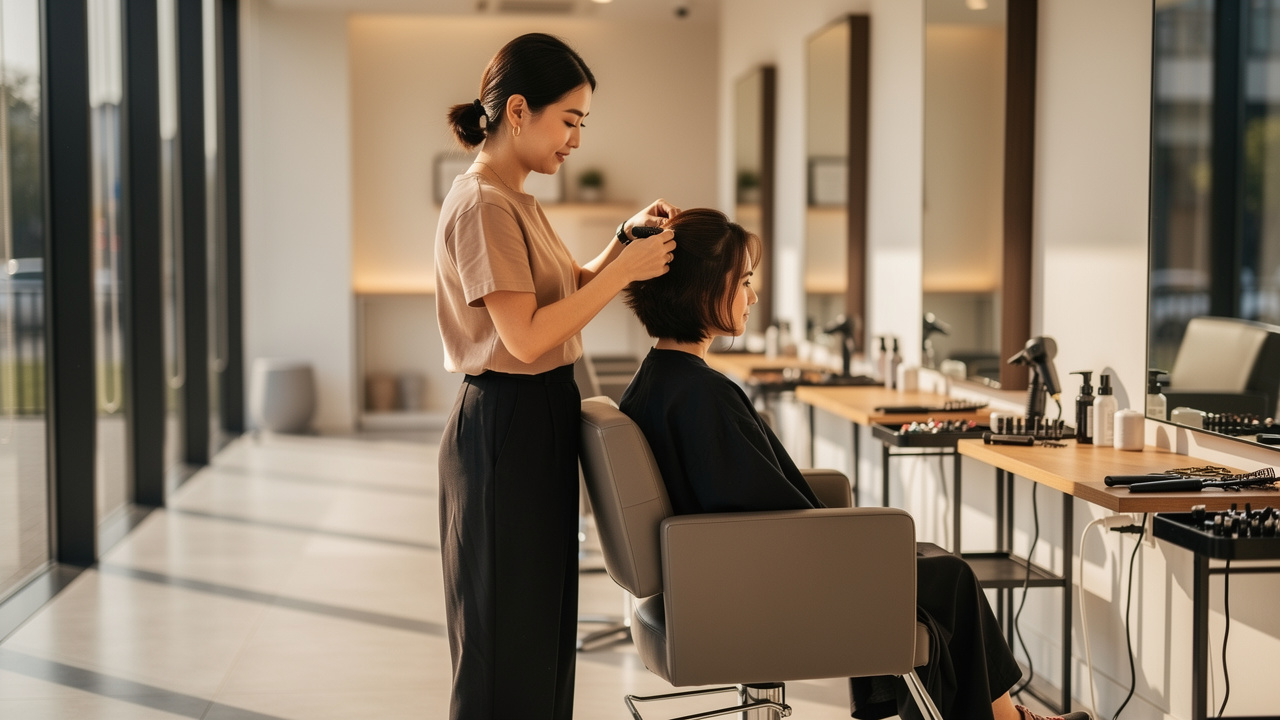
Buying a strong chair is only step one; care routines decide whether it lasts three to five years or seven to ten. Research shows steady maintenance can extend lifespan by about twenty‑four percent, making it one of the best uses of owner time.
“An ounce of prevention is worth a pound of cure.” — Benjamin Franklin
Daily and Weekly Cleaning Protocols
Daily cleaning keeps chairs looking fresh and prevents long‑term damage. At closing, wipe upholstery with a soft cloth and a mild cleaner safe for vinyl or leather, and remove hair from seams and moving parts so it does not work into pumps or bases.
Clean any color, bleach, or chemical spill right away before it can stain or eat the surface; many salons use chair back covers during heavy color work for extra protection. Once a week, plan a deeper clean: move chairs to sweep and mop under them, vacuum around base plates, and polish metal parts.
Disinfection should follow maker guidance and local health rules, using approved products that fight germs without drying or cracking upholstery. With SalonAct furniture, we include care sheets that list safe cleaners and simple routines that fit into closing time.
Mechanical Inspection and Lubrication Schedule
Moving parts need attention as well. Every three months, lubricate points specified by the maker on the hydraulic pump and joints, and test all levers and pedals to be sure they move easily and hold positions.
Twice a year, or whenever performance changes, inspect more closely: check base welds and frame joints for cracks, confirm locks hold firmly, watch for oil leaks, and tighten loose screws and bolts before they turn into broken parts.
SalonAct backs owners with manuals and support so maintenance feels like a clear checklist, not a guesswork project, and problems get handled early and at lower cost.
Staff Training for Equipment Care
People who use the chairs daily shape how long they last, so staff training is as important as oil or cleaner—research on Faculty Research Interests & professional development shows that systematic training protocols significantly extend equipment lifespan and improve workplace outcomes. New hires should learn how to adjust chairs gently, respect weight limits, and guide clients into seats safely.
Clear rules on spills, cleaning duties, and how to report issues help a lot; some salons even assign each stylist to a specific chair and hold monthly check‑ins so everyone feels ownership. We suggest folding chair care into wider training, using the operation and care material supplied with every SalonAct item.
Space Planning and Layout Optimization
Even the best chair cannot fix a cramped, confusing room. Smart layout turns good furniture into a smooth, profitable operation, while poor layout wastes both space and staff energy.
Creating Efficient Workflow Patterns
A simple flow pattern helps everyone move without collisions. Clients should move from entrance to reception, waiting, styling, shampoo, and checkout in a clear loop without cutting through active work zones.
Stylists need room around each chair for tools and carts; a clear zone of about one and a half to two meters around each styling base usually works well. Shampoo areas function best slightly away from main traffic so they feel calmer yet close enough that stylists are not walking far with every client.
Reception should be visible from the entrance, with space for several waiting guests without blocking the door. Plumbing and electrical access shape where some chairs can go, so planning with those in mind saves expensive changes later; SalonAct often reviews floor plans and suggests layouts that match both building limits and business goals.
Maximizing Revenue in Limited Square Footage
Small spaces can still earn strong revenue with careful planning. Each additional styling station that fits without crowding may add tens of thousands of dollars in yearly service sales, depending on pricing and booking levels.
Compact chairs with smaller bases, wall‑mounted stations, and vertical storage free floor area, while large mirrors and lighter colors make rooms feel larger even when every inch is in use.
SalonAct offers compact yet solid chair models and slim stations for these setups and helps owners judge whether another station will add profit or only add chaos.
Making the Purchase: How to Buy Salon Chairs with Confidence
Once needs, style, and budget are clear, it is time to move from ideas to orders. A step‑by‑step approach—shortlist models, compare real specifications, check warranties, then plan delivery and setup—keeps decisions manageable.
Researching and Evaluating Suppliers
Supplier choice matters as much as chair style. Look for companies with years focused on professional salon and barbershop furniture, not general home goods, and read reviews from other owners about durability, shipping care, and support when problems appear.
Reliable suppliers publish clear specifications, weight ratings, and warranty terms, answer questions quickly and directly, and can describe how their chairs hold up in busy shops. Warning signs include prices far below market, vague warranty text, and slow or unhelpful replies before sale.
Whenever possible, ask for close‑up photos or visit a showroom to see welds, stitching, and movement in person, and check return and exchange policies in case a chair does not match expectations or arrives damaged. SalonAct focuses on professional furniture, ships quickly from U.S. warehouses, backs items with strong warranties, and keeps a support team ready long after delivery.
Conclusion
Salon chairs do far more than fill space around mirrors. They carry clients through each service, support stylists through long days, and send a clear message about business standards, which justifies better materials, stronger hydraulics, and thoughtful design.
By focusing on ergonomics, heavy‑duty pumps, quality padding, and stable bases, owners avoid the trap of cheap gear that fails early. Adding branding touches, practical tech features, good maintenance habits, and smart space planning turns each chair into a quiet partner in profit.
At SalonAct, our goal is to stand beside owners as a long‑term partner. We focus on durable, comfortable, customizable chairs backed by clear guidance and support, so when it is time to review or upgrade seating, this 2026 guide can serve as a checklist and our team can help turn plans into a room full of hard‑working chairs.
FAQs
How Long Should A Quality Salon Chair Last?
With solid construction and regular care, a professional salon chair often lasts seven to ten years. That assumes daily cleaning, periodic lubrication of the hydraulic pump, and quick attention to small issues; skipping care can cut lifespan in half.
Is It Worth Paying Extra For Ergonomic Design?
Yes. Ergonomic design reduces strain on stylists—studies show around thirty‑five percent less back pain when ergonomics are in place—and keeps clients more comfortable during long services, which helps rebooking and referrals.
What Chair Features Matter Most For A New Salon On A Tight Budget?
For a new space with limited funds, focus on features that affect safety and daily work:
-
Strong metal base with high weight rating
-
Reliable hydraulic pump
-
Supportive padding
-
Easy‑clean vinyl or faux leather upholstery
Style accents and extra tech can come later once core comfort and durability are covered.
How Can I Tell If A Chair Is Safe For Larger Clients?
Check the published weight capacity and look for ratings above four hundred fifty pounds for styling stations. Inspect base size and shape, metal thickness, and weld quality if you can; at SalonAct, we list chairs with weight ratings and structural designs suited to real professional use so owners can welcome every client with confidence.