Service Prices: How to Set Profitable Salon Rates
Introduction
There is a moment every barber and stylist knows well. The client is in the chair, the cape is on, the plan is clear—and then the quiet math starts. Will this appointment actually cover rent, products, staff, and upgrades, or does it just make the day look busy on the books?
Many professionals guess their service prices based on what nearby shops charge or what “feels fair”. That guesswork often leads to undercharging, burnout, and money stress. Pricing is not magic. It is simple numbers plus clear communication.
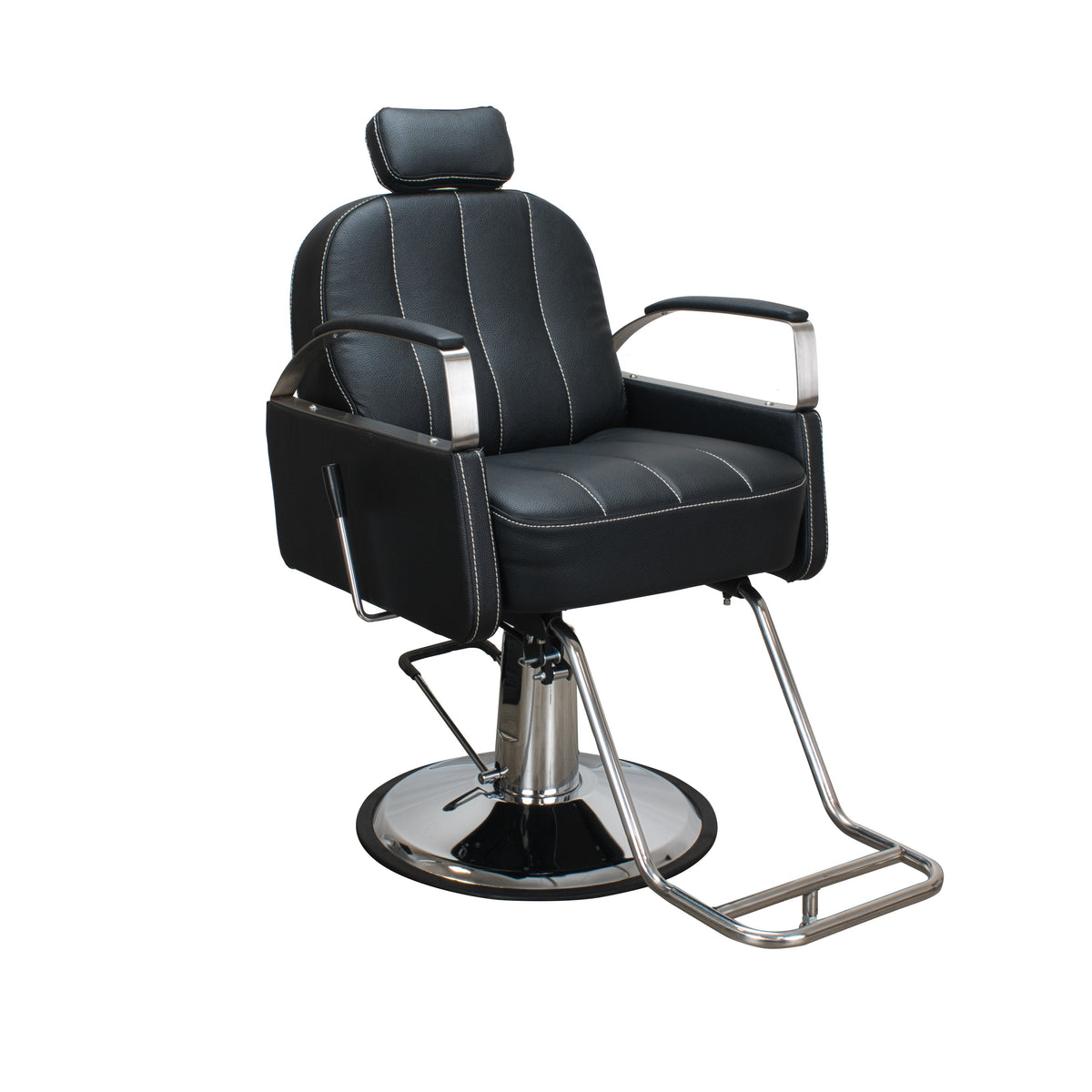
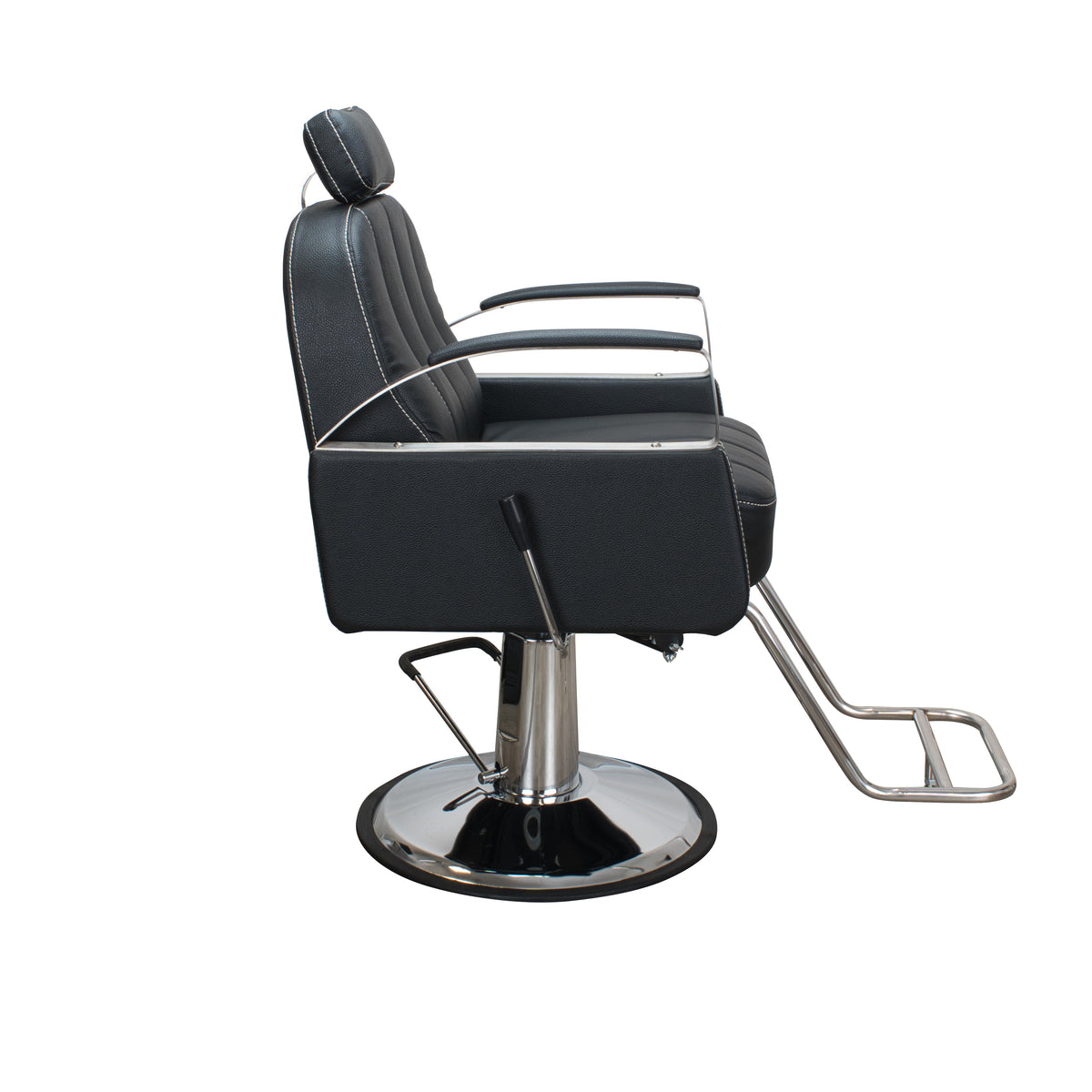
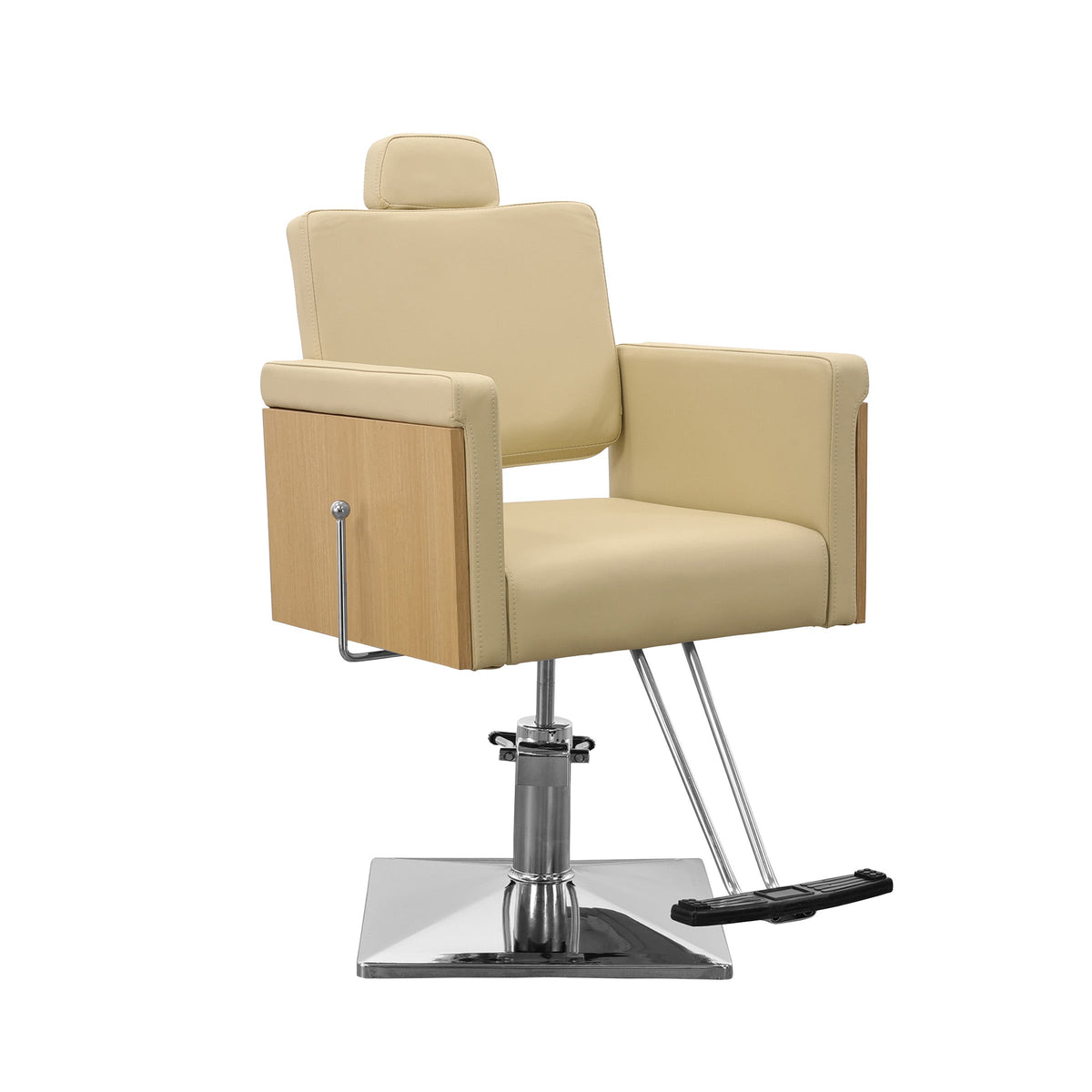
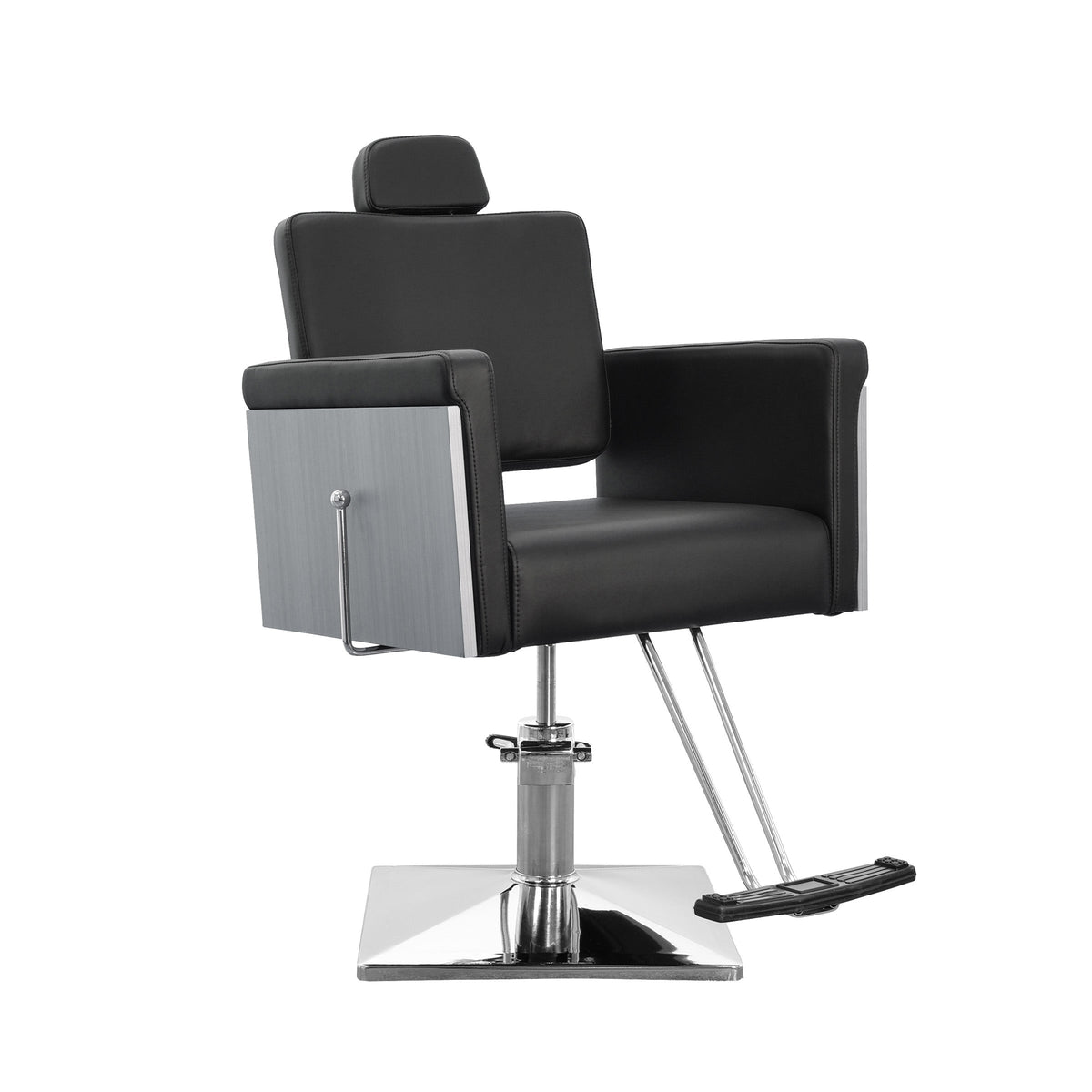
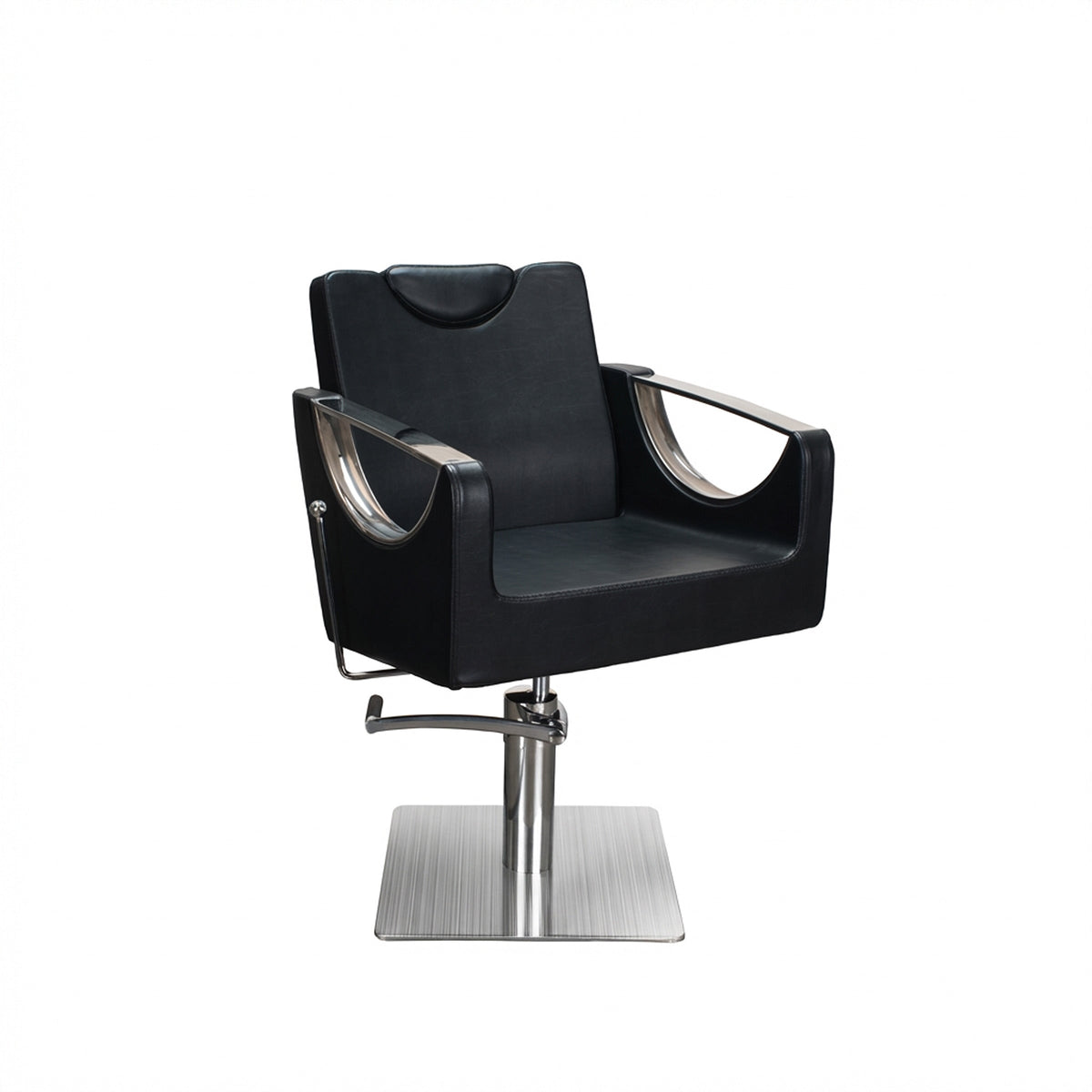
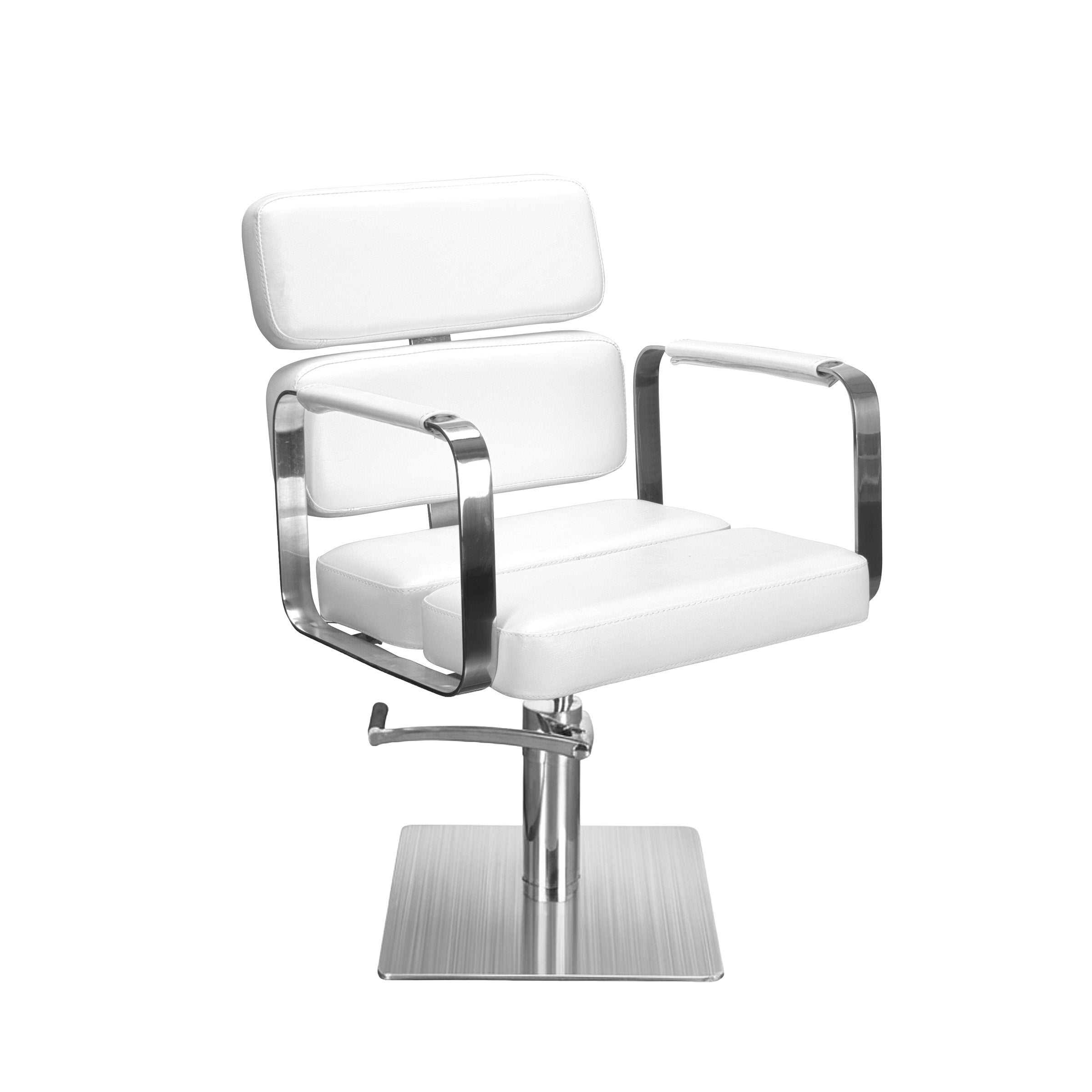
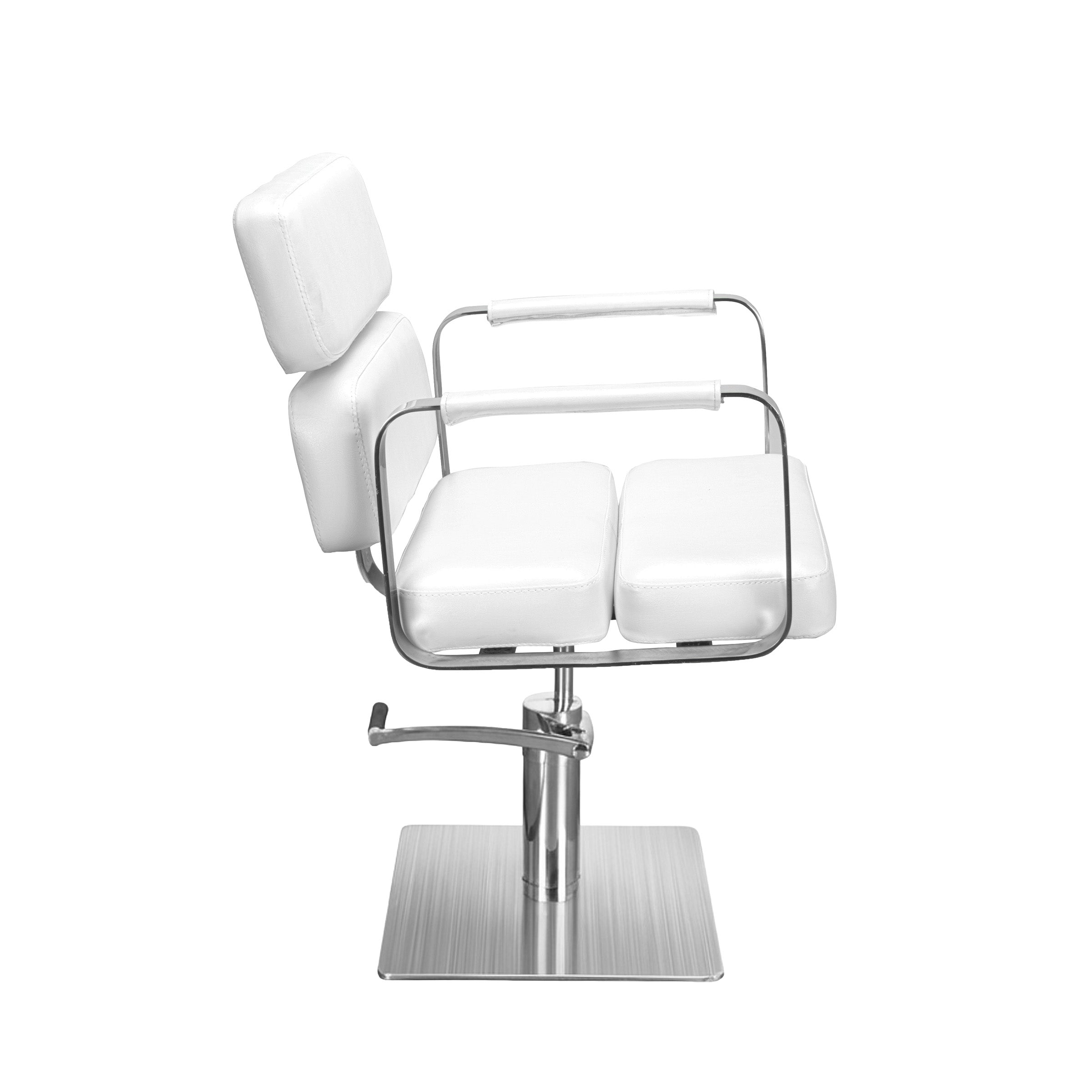
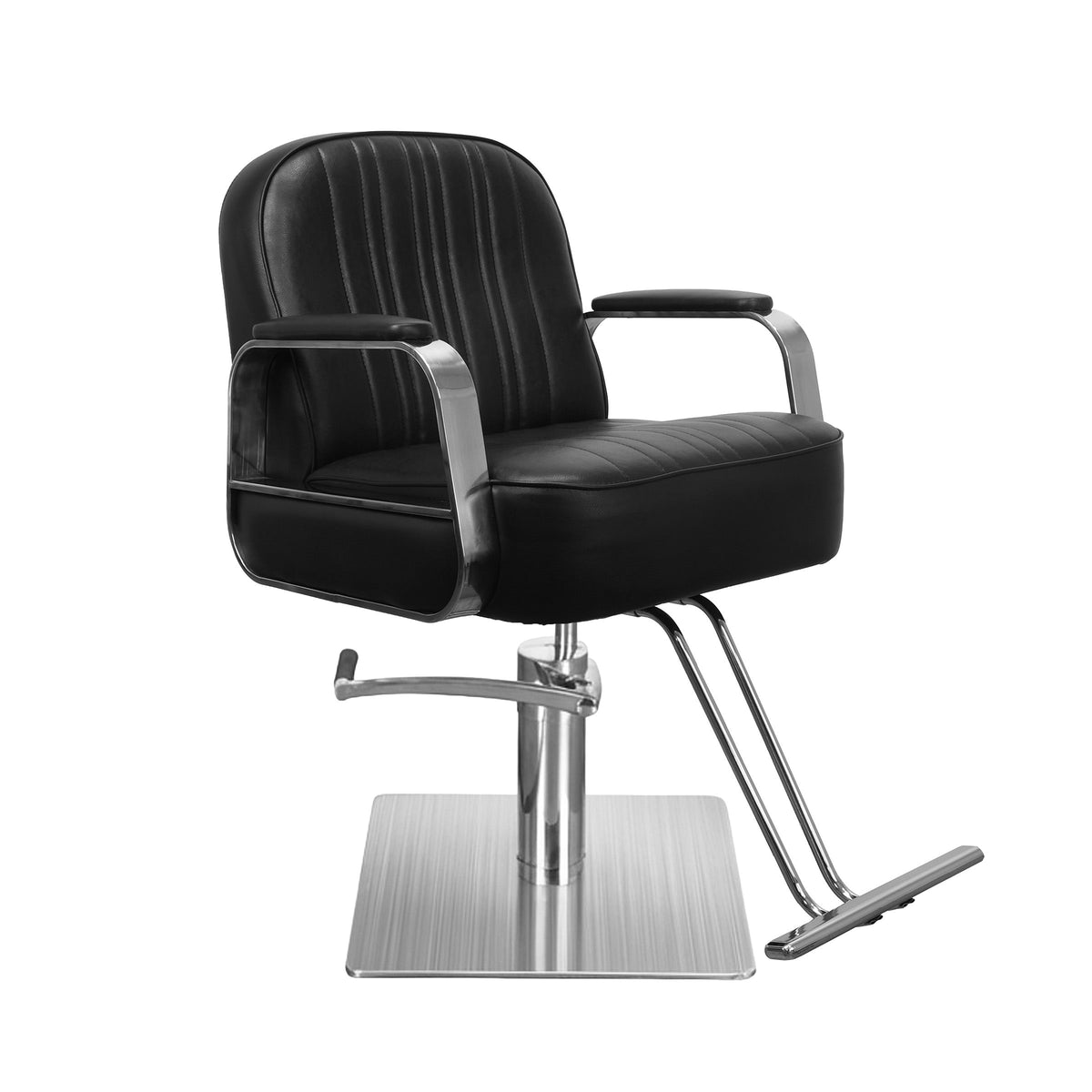
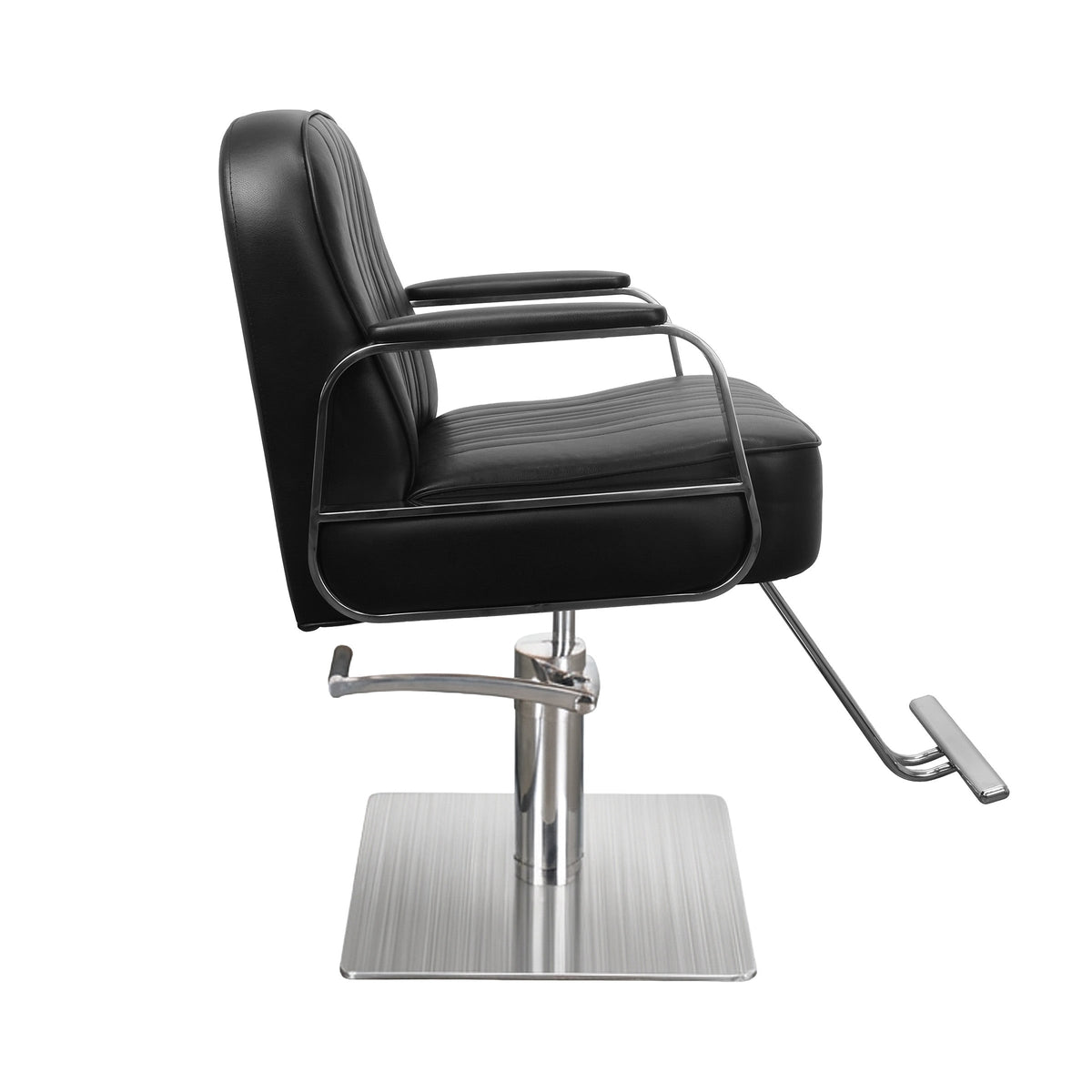
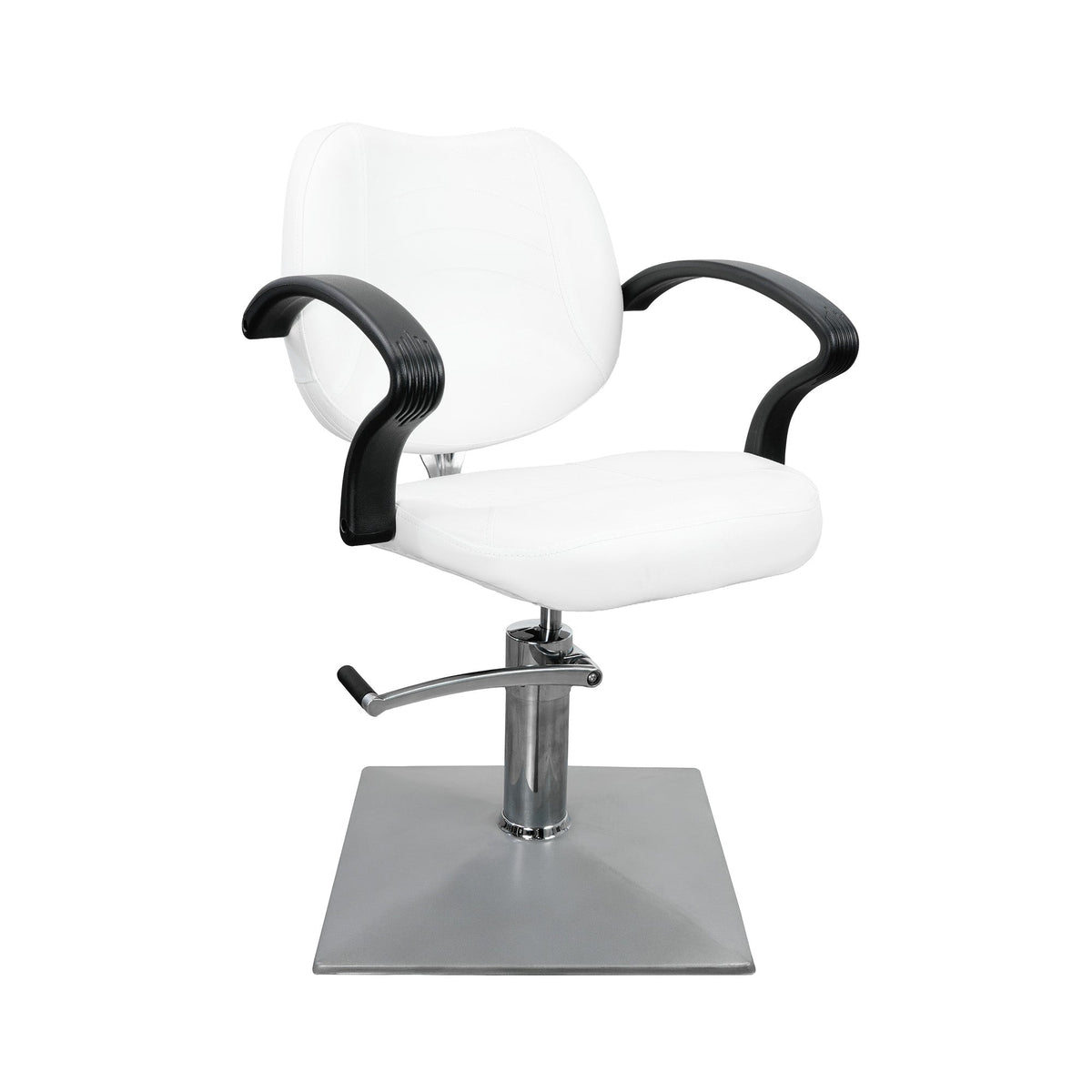
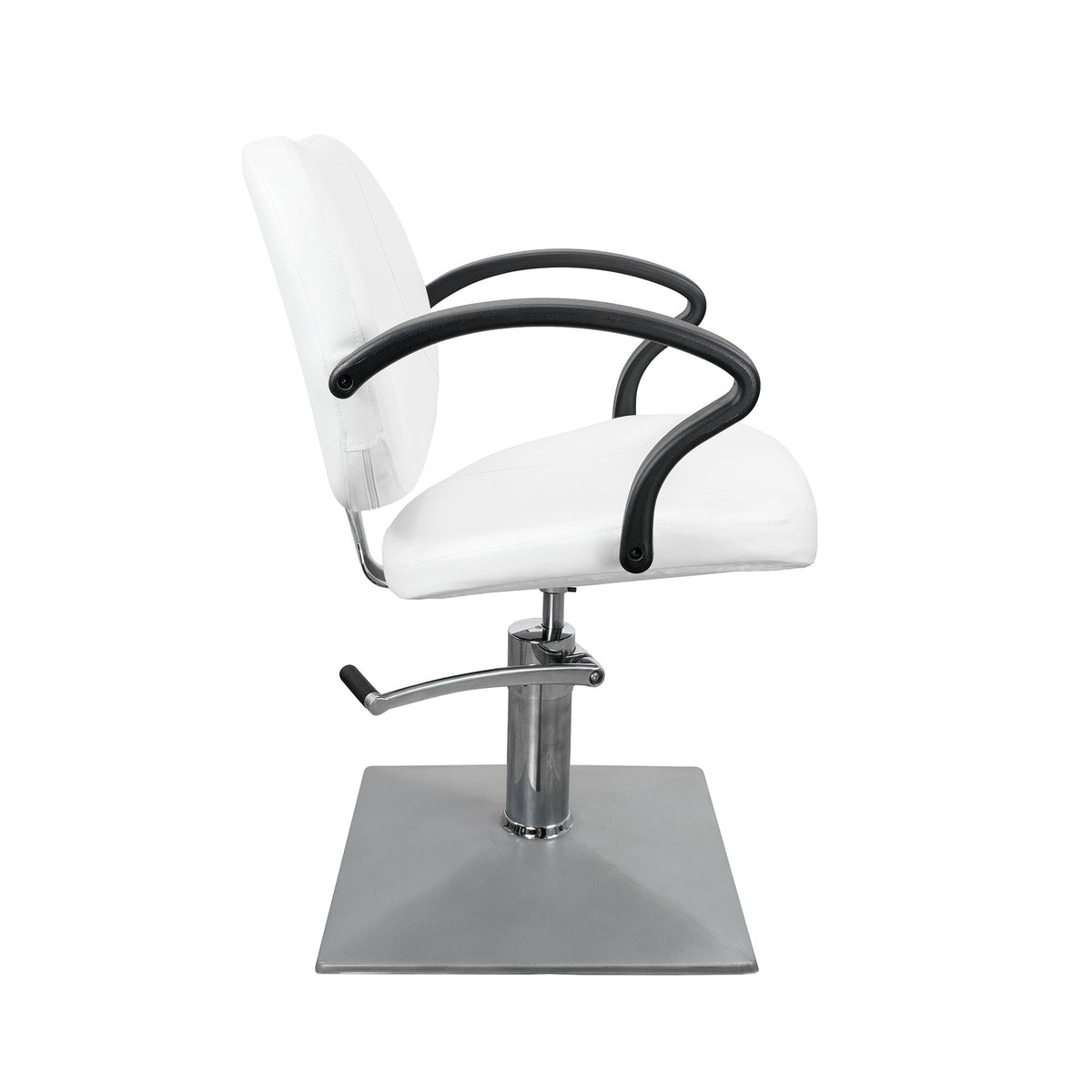
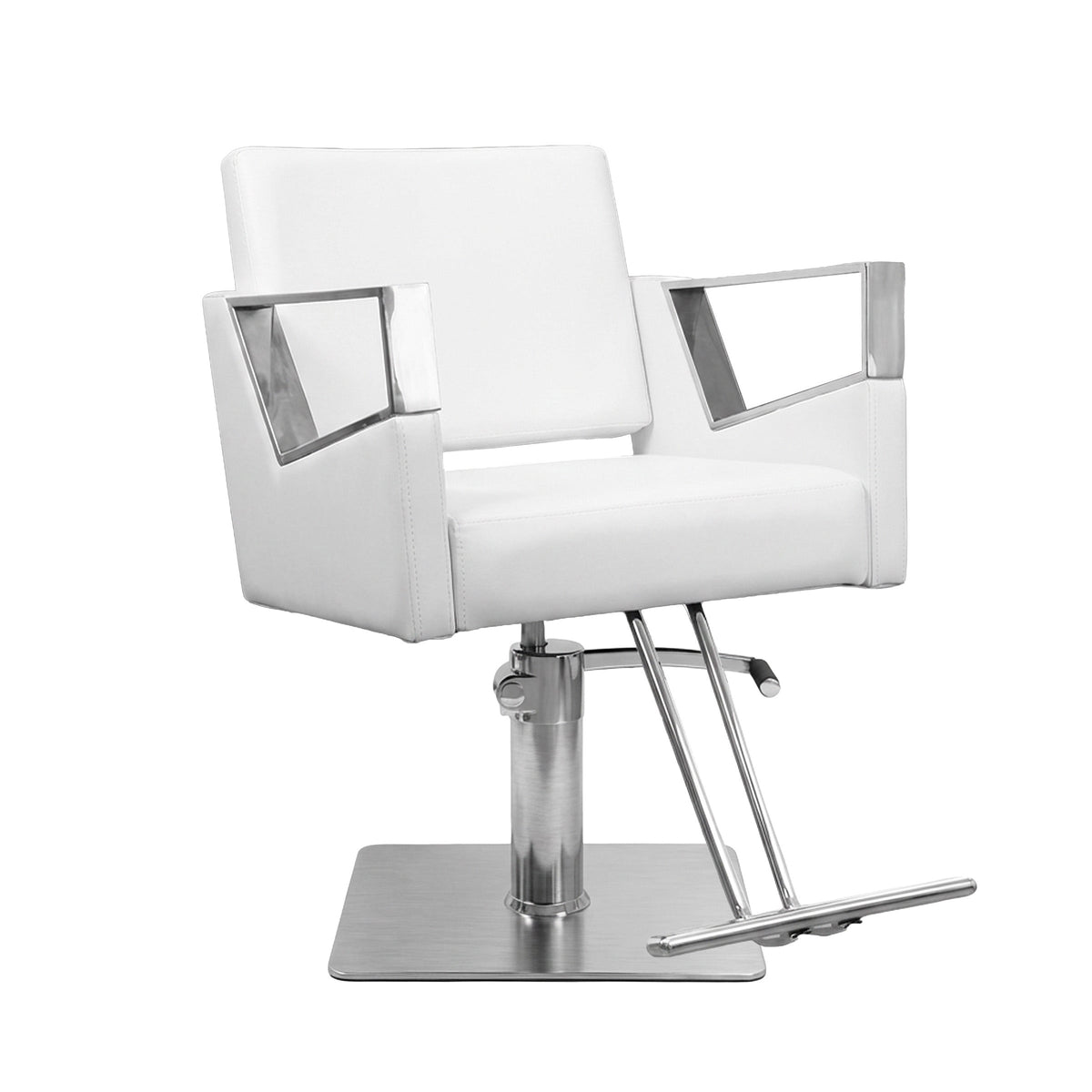
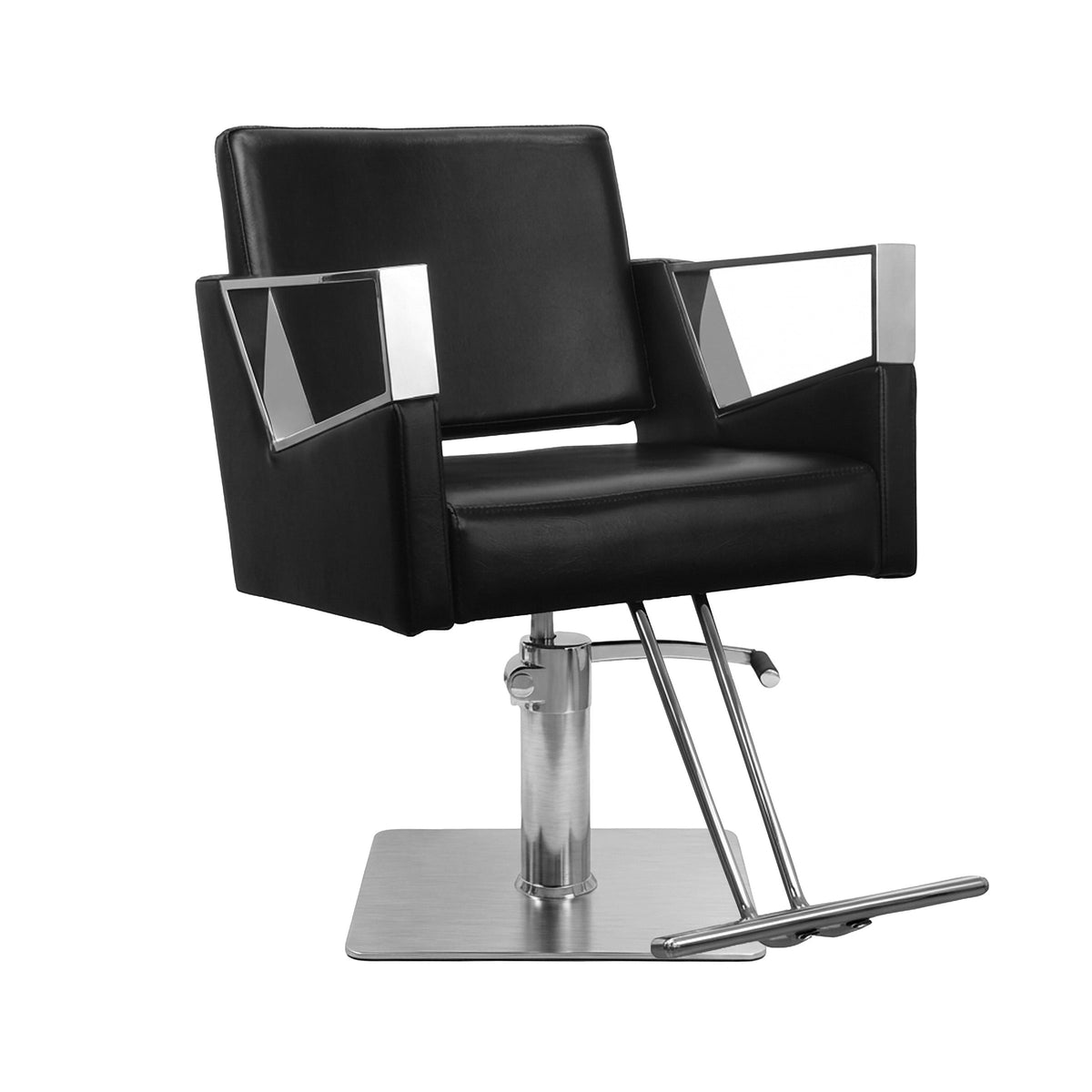
Strong salon pricing covers far more than the haircut or color. It reflects the full experience a client receives—from the moment they sit in a comfortable SalonAct styling chair to the last mirror check before they walk out. The tools, furniture, and flow of the space help clients feel confident about paying more and returning often.
This guide breaks down the real building blocks of profitable pricing:
-
what your costs actually are
-
how your local market works
-
how to price different services fairly
-
how to talk about money without awkwardness
-
how smart investments in gear from brands like SalonAct quietly support higher rates
By the end, you will have clear formulas, simple scripts, and practical ideas to set service prices that respect your clients and your craft.
Key Takeaways
-
Many barbers and stylists set service prices by guessing or copying others, which often means working hard for less than the work is worth. When prices start from real numbers instead of guesses, every booked hour has a better chance of paying the bills and funding growth.
-
Every shop has fixed costs (rent, insurance, software) and variable costs (color, gloves, card fees). If prices do not reflect both, the shop ends up paying for each client instead of the other way around. A simple cost formula gives a clear floor that prices should never go below.
-
Time, product used, skill level, and the condition of each head of hair all affect fair service prices. A quick clipper cut and a six‑hour color correction do not belong in the same price box. When these variables are counted on purpose and explained in plain language, clients are far more willing to accept higher tickets.
-
Clear consultation, honest mid‑service check‑ins, and written pricing FAQs remove most billing drama before it begins. When clients know what to expect, why a price may increase, and what they are getting for their money, they relax and rebook. That same clarity makes it easier to raise service prices when the time is right.
-
The look and comfort of the space set the stage for premium service prices long before scissors touch hair. A modern, sturdy SalonAct chair or shampoo unit tells clients that quality matters here. When the room looks and feels professional, charging professional rates feels natural.
Understanding Your True Costs – The Foundation Of Profitable Pricing

Many barbers and stylists struggle not because their skills are weak, but because their service prices were never built on real costs. They start with what feels affordable to clients and stay there for years while rent, color, and utilities climb. On paper, the chair is busy. In the bank account, it does not show.
The first step is knowing the difference between fixed and variable costs.
-
Fixed costs: bills that come every month no matter how many cuts or colors you do.
Examples: rent or mortgage, insurance, phone and internet, software, cleaning service, licenses, taxes, loans. -
Variable costs: rise and fall with each appointment.
Examples: color, lightener, gloves, foils, card processing fees, stylist wages or commissions, laundry, disposables, disinfectant.
Large items such as SalonAct chairs, stations, and shampoo units sit in the middle. They are paid for up front but used over many years. When planned well, that spend is spread across thousands of appointments and becomes only a small slice of each service price.
"Price is what you pay. Value is what you get." — Warren Buffett
Good pricing makes sure what you charge covers both cost and value.
Calculating Your Break-Even Point
Once costs are clear, do some simple math to find your break-even point—the income you must bring in before any profit appears.
-
Add monthly fixed costs.
-
Estimate monthly variable costs. Use recent product orders, staff pay, and supply purchases as a guide.
-
Add them together to find total monthly cost.
-
Calculate billable hours. Count only hours when a paying client can be in the chair (no breaks, cleaning, or admin time).
-
Divide total costs by billable hours.
The result is the minimum hourly rate just to break even. If your service prices average below that number, the business cannot stay healthy. Prices need to sit comfortably above that line to leave room for profit, education, and upgrades.
Long‑term equipment belongs in this math. A $2,000 SalonAct styling chair that serves 25 clients a week for seven years hosts more than 9,000 appointments. That works out to just over a dollar per seated client—easy to build into pricing without raising eyebrows.
Hidden Costs That Eat Into Your Profit
Some expenses never show up as a line item on a ticket but still drain profit:
-
Education and training: classes, trade shows, paid education days
-
Admin time: texting clients, social media, restocking, inventory
-
Maintenance and repairs: broken bases, damaged upholstery, plumbing problems
-
No‑shows and late cancellations
-
Product waste: extra bowls mixed “just in case” and thrown away
Quality gear reduces some of these risks. Strong construction and frame warranties on SalonAct chairs and shampoo units make sudden breakdowns less likely, so you cancel fewer appointments and pay for fewer emergency fixes.
Building a small cushion into your service prices to cover these quiet leaks protects your profit from being wiped out by “surprise” costs.
Researching Your Market And Competitive Positioning
Knowing your costs is only half of pricing. The other half is understanding your local market and where your business fits.
Many professionals glance at one or two nearby menus and copy those numbers. That only works if those shops share similar overhead, skill level, and target client. Often, they do not.
Start by asking:
-
Who are my real competitors?
-
What type of client are they trying to attract?
-
What experience are they offering for their prices?
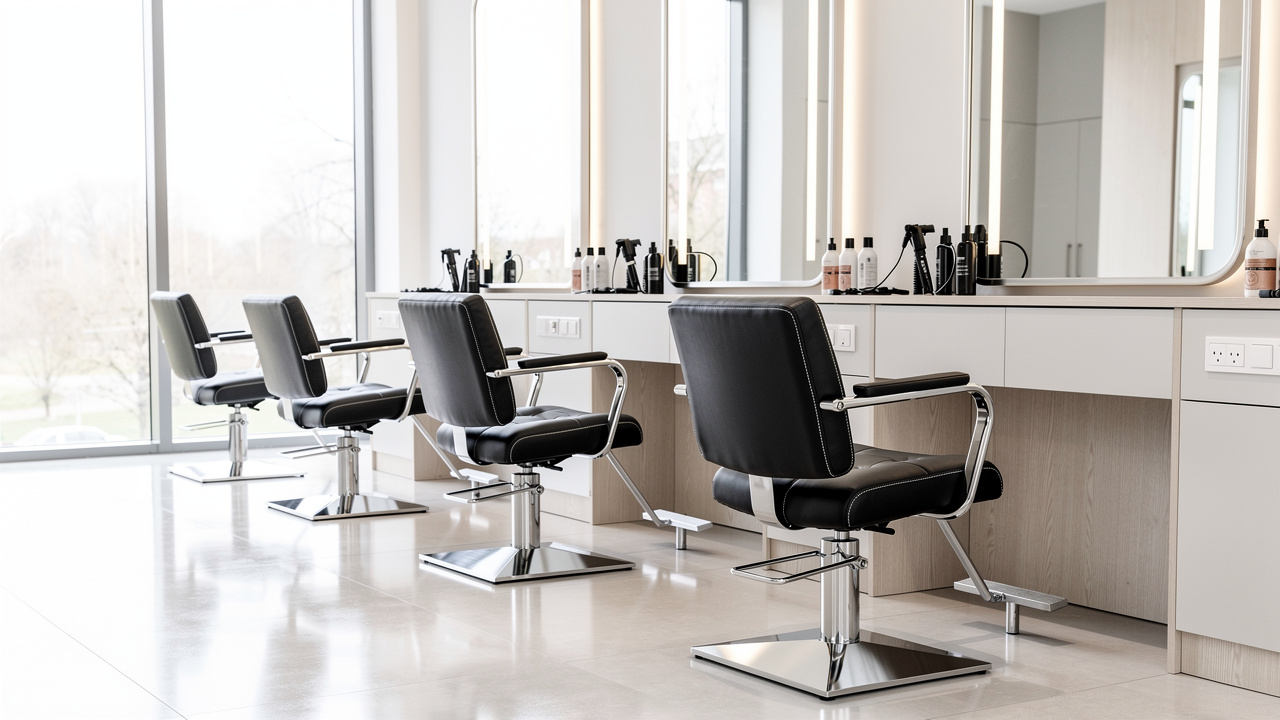
A high‑end color studio with long appointments, drinks, and spa‑like details is not competing with a fast walk‑in clipper shop, even if they share a block. Each speaks to different clients with different budgets.
Look beyond the number on the page:
-
Are clients greeted warmly and by name?
-
Is there a proper shampoo with a comfortable bowl chair?
-
Does the waiting area feel calm, clean, and styled?
-
Are the chairs sturdy or wobbly? Are capes fresh or stained?
If another shop has flimsy furniture while your space features modern SalonAct chairs and thoughtful design, your service prices should not match theirs.
"Quality is remembered long after price is forgotten." — Saying often attributed to the Gucci family
High standards in service and equipment support higher prices without needing to say a word.
Creating Your Competitive Analysis Framework
A simple framework keeps research focused:
-
Pick three to five direct competitors. Choose businesses that serve similar clients in similar locations.
-
Collect their menus. Use websites, booking apps, or printed lists. Note service descriptions, starting at ranges, and add‑on pricing.
-
Experience the service. If possible, visit yourself or send a trusted friend to observe the full visit.
Then arrange the information:
|
Service |
Your Price |
Shop A Price |
Shop B Price |
Notes On Experience |
|---|---|---|---|---|
|
Short Clipper Cut |
35 |
28 |
32 |
You offer hot towel, better chair comfort |
|
Long Haircut And Style |
85 |
75 |
95 |
Shop B includes deep treatment and head massage |
|
Full Blonding Session |
275 |
260 |
325 |
You and Shop B specialize in complex color |
Decide whether you want to sit in the budget, mid‑range, or premium part of the market. Then adjust service prices and experience details so the two match.
The Key Variables That Influence Individual Service Prices
Once the big picture is clear, it is time to price each line on the menu. A simple “haircut is X dollars” system ignores the real work involved.
Four main variables shape fair service prices:
-
Time and labor
-
Product cost
-
Skill and technique level
-
Client‑specific factors (length, density, history, and goal)
If these are not built into your pricing, you end up giving away hours and bowls of product. A long, dense head of hair charged the same as a quick bob slowly eats profit. Clear policies that connect these factors to price adjustments prevent that.
Time And Labor – Your Most Valuable Asset
Time is the one thing you cannot restock. That makes it the heart of service prices.
-
Track how long each service truly takes—from greeting to payment, including consultation and cleanup.
-
Remember that advanced skills let experienced staff work faster and deliver better results. Their time is worth more.
-
Include non‑cutting minutes: consultation, booking notes, photos, and styling.
Once you know the average time per service, compare it to your required hourly rate from the break‑even math. If a service takes 75 minutes, its price should equal at least 1.25 times your target hourly rate, plus product and profit.
Product Costs And The Parts-Plus-Labor Model
Product is real money, not a free extra.
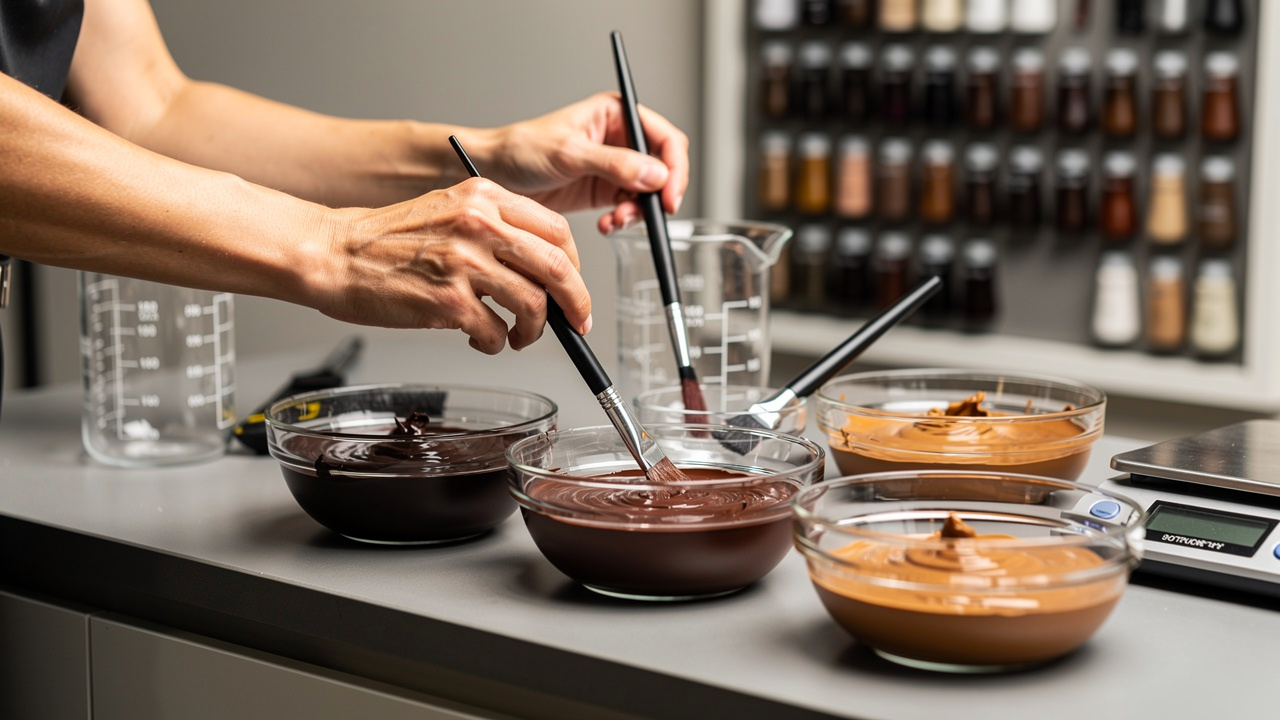
Everything from lightener and toner to razors and neck strips adds to the cost of a service. If you ignore these, profit shrinks with every extra bowl.
Many salons now use a parts‑plus‑labor model:
-
Labor covers time and skill.
-
Parts cover the exact amount of color, lightener, and specialty products used.
Weighing color for each client keeps this fair. Short, fine hair costs less in product than long, dense hair, and the receipt shows that difference.
Even without full software, you can:
-
Include a set amount of product in the base price.
-
Charge a clear flat fee for extra bowls or toners.
-
Add a small upcharge for premium color lines or bond builders.
Client-Specific Variables That Justify Price Adjustments
No two heads of hair are alike, so no single flat price fits everyone.
Key variables include:
-
Length and density: very long or very thick hair usually needs its own pricing or an extra‑time fee.
-
Hair history: box dye, relaxers, and old blonding can slow down or limit what is possible.
-
Desired change: a small trim is not the same as going from dark to bright blonde with dimension.
For big changes, require an in‑person consultation before quoting service prices. Seeing the hair in real life protects you from under‑quoting complex work.
Building A Clear And Comprehensive Service Menu
Your service menu is more than a list; it is a sales and communication tool. A vague or messy menu leads to confusion, extra questions, and tense checkouts.
Strong menus:
-
Group services into clear sections.
-
Use short, plain descriptions.
-
Show what is included in each price.
-
Use starting at ranges where time and product can change.
For example, instead of just “Haircut – 50,” try:
Cut And Style – 50
Includes wash, basic blow‑dry, and light finish work.
A simple note at the bottom can explain that final service prices depend on hair length, density, and complexity and that exact quotes are given during consultation.
Essential Service Categories For Your Menu
Most professional menus, whether in a barbershop, salon, or studio, include:
-
Cuts And Styling
Clipper cuts, scissor cuts, long haircuts, blowouts, quick styles, beard trims, shaves. Many shops show different prices by hair length or stylist level. -
Color Services
Single‑process coverage, all‑over color, partial and full highlights, balayage, vivid shades, glosses, toners, and color correction. These often use starting at pricing or ranges. -
Chemical Services
Perms, relaxers, smoothing or keratin treatments. These usually have their own section because of time and product. -
Specialty Services
Loc maintenance, extensions, scalp treatments, hair and scalp analysis. Brief notes can explain when a separate consultation or strand test is needed. -
Add‑Ons
Deep conditioning, bond‑building treatments, beard detailing, extra styling time, and consultations. Listing consults here (free or paid) sets clear expectations.
A tidy, well‑worded menu makes your service prices feel organized and justified rather than random.
Implementing Tiered Pricing Based On Stylist Experience
A tiered pricing system keeps rates fair for both clients and staff. Instead of every barber or stylist charging the same amount, prices rise with experience, demand, and skills.
This structure:
-
Gives clients choice at different price points.
-
Creates a clear growth path for team members.
-
Makes price increases feel earned instead of random.
New graduates can start at lower service prices to build their books, while seasoned pros with long waitlists charge more in line with their value.
Defining Your Tier Structure
Many salons and barbershops work well with four levels:
-
Level 1 – New Talent / Junior Stylist
Licensed, still in advanced training, growing confidence. Lowest prices to attract cost‑sensitive clients. -
Level 2 – Stylist / Designer
Finished training, handle core services well, steady books. Their prices are the base rate. -
Level 3 – Senior Stylist
Several years of experience, strong client loyalty, clear specialties. Prices sit about 15–25% above the base. -
Level 4 – Master Stylist / Creative Director
Go‑to experts for complex work and education. Highest service prices, limited schedules.
Example:
|
Service |
Junior |
Stylist |
Senior |
Master |
|---|---|---|---|---|
|
Short Clipper Cut |
28 |
35 |
42 |
50 |
|
Long Cut And Blowout |
60 |
75 |
90 |
105 |
|
Balayage Package |
180 |
220 |
260 |
300 |
Communicating Tiers To Clients
A tiered system only works when clients understand it.
-
Show each provider’s level and starting service prices on your website and booking app.
-
Give front‑desk staff simple scripts, such as:
“Our Junior Stylists are fully licensed and work under close guidance, which makes them a great fit for basic cuts. Senior Stylists are ideal for big changes or tricky hair.” -
When clients move between levels for budget or special occasions, confirm the price difference before the appointment.
Framing tiers as options—not pressure—helps clients feel in control of their spending.
Mastering The Client Consultation And Price Estimation
The client consultation is where pricing, hair goals, and trust come together. Many money problems later on come from a rushed or vague talk at the start.
As many educators say, “Great hair starts with a great consultation.”
A strong consultation:
-
Reveals what has happened to the hair.
-
Clarifies what the client truly wants.
-
Tests what is realistic in one visit.
-
Leads to a clear price or price range.
Clients see the value behind higher service prices when you take this time and explain your thinking.
The Essential Consultation Process
Keep a simple structure:
-
Hair history
Ask about professional and at‑home color, lightening, relaxers, perms, smoothing, and major cuts from the last 2–3 years. -
Physical check
Examine texture, density, porosity, elasticity, and scalp condition. Look for bands of color and breakage. -
Visual goals
Look at photos together. Ask what they like about each picture—tone, brightness, shape—then compare that to what is on their head now. -
Plan and expectation setting
Explain what can happen in one visit and what may take several. Outline the steps and maintenance needs. -
Price estimate
Give a realistic service price or range that matches the plan, not just the service name.
Record key notes and the quoted range in your system. For large projects, consider a short form confirming the plan, price range, and aftercare.
Providing Accurate Price Ranges
Flat quotes for complex services often lead to trouble. Hair may lift slowly or need extra toner; clients may change their minds mid‑service.
Use ranges with clear explanations, for example:
“For the balayage, gloss, and cut we discussed, your total will be between $350 and $425. The final number depends on how much lightener and toner we need and whether your hair needs an extra treatment. Does that fit your budget?”
Keep fixed prices for simple, predictable work like clipper cuts or standard root touch‑ups. For anything that can stretch in time or product, stick with ranges and document them.
Handling Mid-Service Price Adjustments Professionally
Even with a great consultation, things change once you start. Hair may resist lightener, need a second toner, or the client may ask for extra brightness or detail.
Staying silent and surprising them at checkout damages trust. Instead:
-
Pause as soon as you see the change.
-
Explain what is happening and what you recommend.
-
Share the added time and cost.
-
Ask for clear approval before moving ahead.
Handled calmly, these talks make clients feel informed and respected—and that supports higher service prices over time.
The Professional Check-In Script
Having ready phrases makes mid‑service talks easier. For example:
-
Extra product
“Your hair is soaking up this toner more than most. To reach the soft blonde you picked, I’ll need to mix a second bowl. That will add about $25 and keeps us within the range we discussed. Are you comfortable with that?” -
Health add‑on
“I’m seeing some dryness from past lightening. We can add a bond‑building treatment to help keep your hair strong. It is $40 and adds about ten minutes. Would you like to include it today?”
The keys: stop, explain, give numbers, and wait for a clear “yes” before moving on.
Addressing Client Concerns And Billing Questions
Even with strong systems, some clients will question a bill. Often they simply do not remember what was agreed on or missed part of the explanation.
Stay calm and open:
-
Invite them to review the ticket together.
-
Walk through each line item and its price.
-
Remind them of what was discussed in the consultation and any mid‑service check‑ins.
Itemized receipts are powerful here. When clients can see the cut, color, toner, treatments, and extra bowls listed separately, the total feels more transparent.
Handling The Most Common Pricing Questions
Some questions come up often:
-
“Why are you more expensive than the shop down the street?”
Explain your education, timing, and product quality, and mention the comfort and cleanliness of your space—including professional‑grade SalonAct chairs and shampoo units. Clients can understand why a more careful, comfortable experience costs more. -
“Why did this cost more than the estimate?”
Refer back to the original range, then show where extra bowls, toners, or treatments were added. If you paused mid‑service and asked for approval, mention that. -
“Can I get a discount?”
It is fair to say that your service prices are set to cover real costs and provide fair pay. Instead of cutting the bill, offer loyalty programs, referral rewards, or lower‑priced stylists. -
“What does ‘starting at’ mean?”
A simple script: “That price is for average length and density with a standard amount of product. If your hair is longer, thicker, or needs extra steps, the total may be higher. We always confirm pricing during the consultation before we begin.”
Creating A Pricing FAQ For Your Website And Materials
Answering the same price questions all day burns time and energy. A clear pricing FAQ on your website and in printed materials handles many of these in advance and supports your service prices by showing that nothing is hidden.
A good FAQ:
-
Helps new clients decide whether your shop fits their budget.
-
Reduces surprise at checkout.
-
Improves search visibility for money‑related questions about hair services.
Essential FAQ Questions To Include
Consider covering:
-
Why do you use price ranges instead of fixed prices?
Explain that hair length, density, and previous work change the time and product needed, and that exact totals are confirmed during consultation. -
What is included in each service?
For example, whether a cut includes wash and style, or whether a color service includes gloss and blow‑dry. -
Is there an extra charge for long or thick hair?
If yes, explain how that fee relates to extra time and product. -
What is your consultation policy?
When it is free, when there is a fee, and how that fee is applied to the final service price. -
What is your cancellation and no‑show policy?
Clarify how late changes affect your schedule and income. -
Do you offer promotions or loyalty rewards?
Briefly outline any programs you run.
Each answer should acknowledge the concern, give a clear response, and, where helpful, point back to the value clients receive.
The Role Of Quality Equipment In Justifying Premium Pricing
Clients start judging value the moment they walk through the door. The sight, feel, and sound of your space all signal what kind of service prices make sense.
A chipped, squeaky chair and worn shampoo bowl suggest bargain rates, even if the work is excellent. Sleek, solid furniture and a clean layout suggest a higher level of care.
That is where equipment choices—including pieces from SalonAct—quietly support pricing:
-
A sturdy barber chair that glides smoothly and locks safely tells clients they are in good hands, as the relationship between price and perceived quality in service settings is well-established in consumer research, with physical cues playing a significant role in value assessment.
-
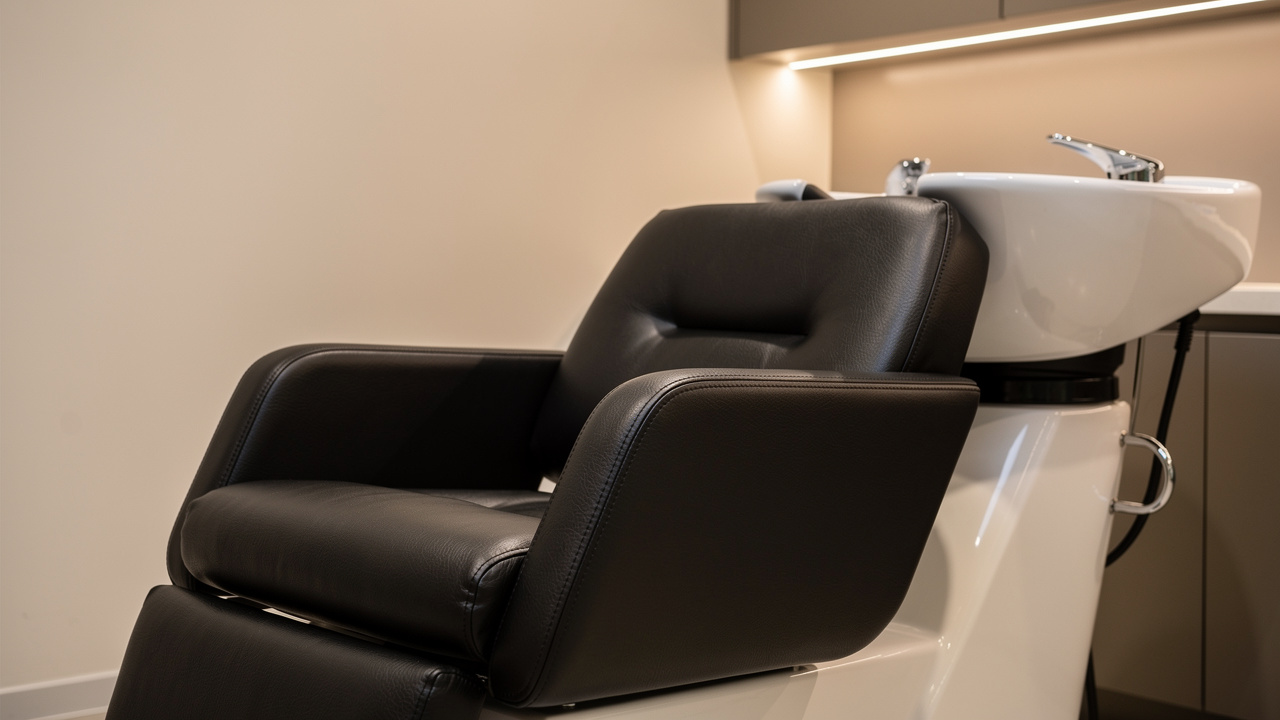
Ergonomic backwash units make long color or treatment sessions more comfortable for both client and stylist.
-
High‑quality materials stay better looking for longer, lowering replacement costs.
Equipment Quality As A Value Signal
First impressions are hard to change. When a client sits in a well‑cushioned SalonAct styling chair that adjusts smoothly and feels secure, they sense that care has gone into every detail. That feeling lines up naturally with mid to high‑end service prices.
Comfort matters during long services such as braids, loc maintenance, or full color changes. When clients leave without a sore back or neck, they remember that comfort as part of the value they paid for.
Cleanability also affects perception. Seamless upholstery, easy‑to‑wipe bases, and thoughtful design help keep surfaces spotless. A clean, well‑kept room reassures clients that they are getting safe, sanitary service.
Modern, cohesive furniture also photographs well. Great chair and station design in the background of hair photos helps your marketing stand out and quietly communicates that you invest in your space, not just your scissors.
Strategic Equipment Investment That Supports Pricing
Equipment spending should match both budget and goals. A common approach:
-
Put a large share of the furniture budget into styling and barber chairs—they drive the most revenue.
-
Invest solidly in shampoo stations, where comfort strongly affects client perception.
-
Use the remaining budget for reception desks, waiting area seating, and storage.
SalonAct makes planning easier by offering several product tiers. Many owners choose top‑tier chairs and shampoo units for main stations, then use value lines for back rooms or light‑use areas. This mix keeps long‑term costs in line while maintaining a high‑end look where clients spend the most time.
Think in cost‑per‑client terms. If a $3,000 SalonAct backwash unit supports 30 color and treatment services a week for seven years, the cost per visit is only a few dollars. Combined with long warranties on frames and bases, those dollars are simple to fold into service prices without shocking guests.
Smart layout—using multi‑functional furniture and well‑planned stations—can also increase how many clients you see at peak times without adding rent. More revenue from the same space gives you room to keep prices fair and still hit profit targets.
Key Takeaways
-
Profitable service prices start with clear math. Add all fixed and variable costs, divide by realistic billable hours, and never let your average hourly income fall below that line.
-
Prices should reflect time, product, and skill, not just service names. Long, dense, or heavily treated hair, advanced techniques, and complex color all demand more of each. Clear rules for extra time and product charges protect profit while keeping clients informed.
-
A structured service menu, tiered pricing, and strong consultation habits work together. They let clients choose options that fit their budget, help staff explain prices, and reduce awkward money talks.
-
Written policies and FAQs, online and in the shop, handle most price questions before clients arrive. When guests can read about starting at ranges, long‑hair fees, and consultation rules in advance, they walk in with realistic expectations.
-
Investing in solid, attractive furniture and equipment from SalonAct raises the perceived level of the whole space and spreads big costs over many years. When the chair feels great, the shampoo bowl is comfortable, and the room looks sharp in photos, it becomes much easier to set and defend higher service prices with confidence.
Frequently Asked Questions About Setting Service Prices
Should I Post My Prices Online Or Keep Them Private?
It is almost always better to post at least starting at service prices online. Clients are used to checking costs before they book anything. Hidden prices can make a shop seem disorganized or out of reach.
Share clear ranges and add a note that final totals depend on hair length, density, and complexity. When local competitors are open about pricing and you are not, you may lose good fits who never pick up the phone.
How Often Should I Raise My Prices?
Review service prices at least once a year. During that review:
-
Look at how much rent, utilities, products, and card fees have gone up.
-
Consider your own growth in skill and demand.
If you have added education, built a waitlist, or stayed fully booked for weeks, your time is worth more.
Give clients 4–6 weeks’ notice. Post a small sign at the front desk and stations, send a short email, and share a simple message on social channels. Keep the tone steady: you are adjusting prices to maintain quality products, education, and fair wages.
What If I Lose Clients By Raising My Prices?
Some clients may leave after a price increase, especially those who choose shops only by cost. That can feel scary, but the higher revenue from each remaining appointment often makes up for a small drop in volume.
Holding rates too low leads to long hours and exhaustion, which harms both work quality and health. If you want to soften the change for long‑term guests, you can offer a one‑time discount on their first visit at the new rate while keeping your overall service prices consistent.
Should I Charge Hourly, Flat-Rate, Or À La Carte?
A mixed approach works best for most shops:
-
Flat or bundled pricing for predictable services such as basic haircuts, beard trims, or root touch‑ups.
-
Hourly pricing for complex, open‑ended work like major color corrections, full makeovers, and detailed vivid color.
-
À la carte pricing for add‑ons such as extra bowls of color, bond‑building treatments, or special styling.
Together, these methods create service prices that are both fair and flexible.
How Do I Price Color Correction Services?
Color corrections involve many unknowns: old dye, fragile hair, and time limits. They should rarely have a flat price.
A better approach:
-
Charge by the hour at a rate that reflects your experience and local market.
-
Require an in‑person consultation.
-
Give a time range with a matching cost range, such as 6–8 hours at your set hourly rate.
-
Make it clear that full results may take more than one appointment and that you will stop if the hair’s condition demands it.
This keeps you paid fairly for long, demanding work and protects the client’s hair.
What Should I Charge For A Consultation?
Short consultations for simple services or existing clients can be free, especially when they happen right before the appointment.
For new clients planning complex color, extensions, or major changes, consider a paid consult—often in the $25–$75 range. This respects your time and filters for serious clients.
A helpful policy is to apply the consultation fee toward the service price when they book within a set time frame. You can also offer quick virtual consults using photos and video as a first look, while still requiring an in‑person visit before final quotes on major work.
Conclusion
Setting service prices as a barber or stylist can feel like a puzzle, but it becomes much clearer once the right pieces are in place. Knowing your real costs, tracking how long services take, and seeing where you fit in the local market turn pricing from a guess into a plan. From there, strong consultations, written policies, and tiers based on experience help keep that plan steady.
Fair pricing protects both sides of the chair. It lets you pay rent, invest in education and products, and bring in quality tools and furniture from partners such as SalonAct. It also gives clients confidence that they are receiving thoughtful, professional care.
Undercharging may feel kind in the short term, but over time it leads to long hours, tired bodies, and shops that never quite get ahead. When service prices match the value of your time and skill, you can work fewer frantic days, give each guest more attention, and plan for the future with less worry.
Take one solid step this week: run your cost and hourly math, review your menu, or tighten your consultation script. Then look around the space and ask whether your equipment and setup support the level of pricing you want. With each small change, your chair becomes not just a place where hair is cut, but a stable, respected business that can grow for years.