Hair Clippers: When and How to Upgrade Your Barbershop
When It’s Time To Upgrade Your Barbershop
Introduction
Halfway through a skin fade, the motor in the main pair of hair clippers starts to whine. The blades are hot, the client is wincing, and it takes three passes to clean up a line that used to take one. That little voice in the back of the head says, “These clippers used to hit different.”
In that moment, it is clear the shop is only as strong as the tools and furniture that keep it running, and according to the Electric Hair Clipper & Trimmer Market Size Report, 2030, the professional clipper market continues to grow as barbers prioritize quality equipment. Fresh paint and a good playlist help, but tired clippers, squeaky barber chairs, and cracked vinyl send a different message. A barbershop upgrade is not just about grabbing a flashy new tool; it is about building a setup that works hard every single day.
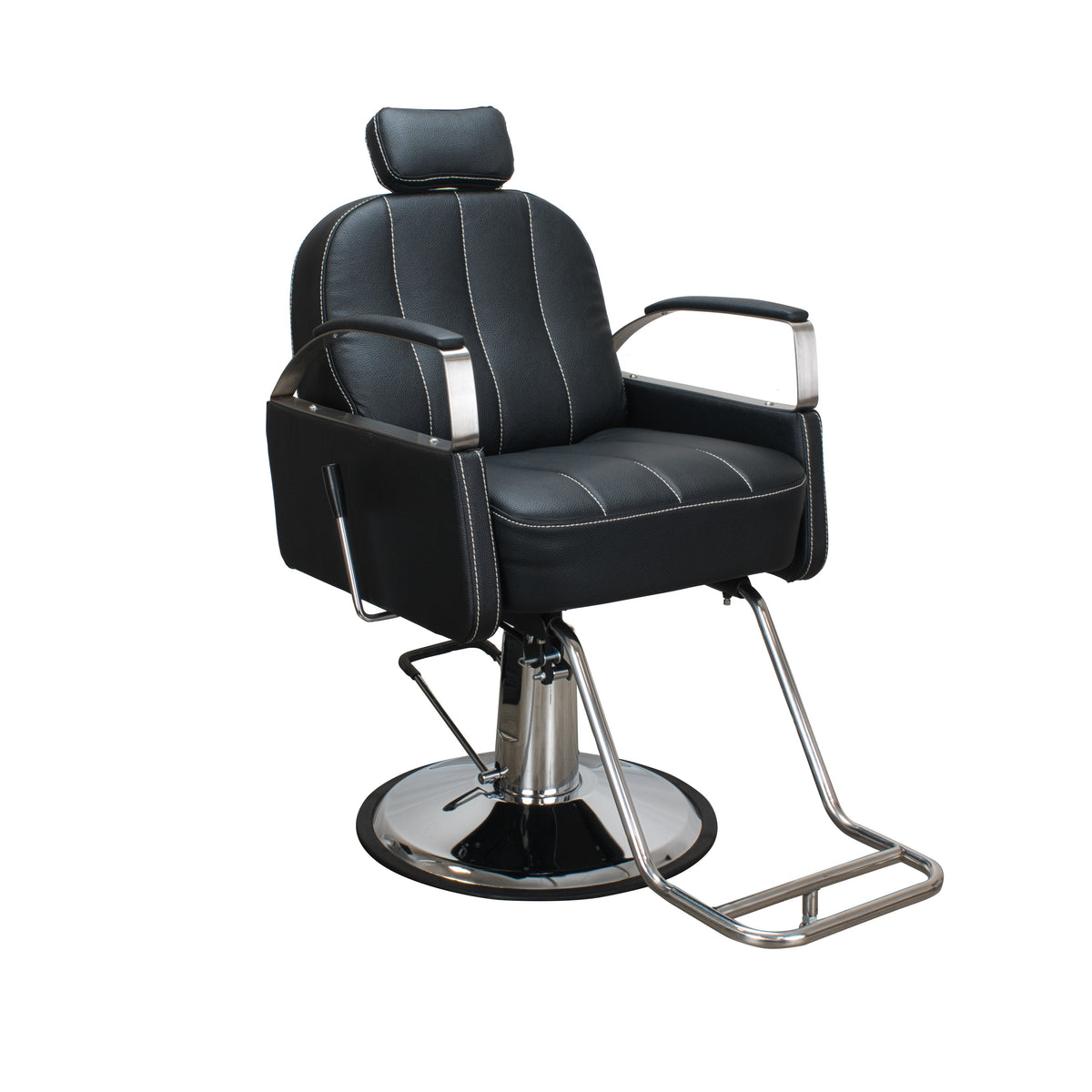
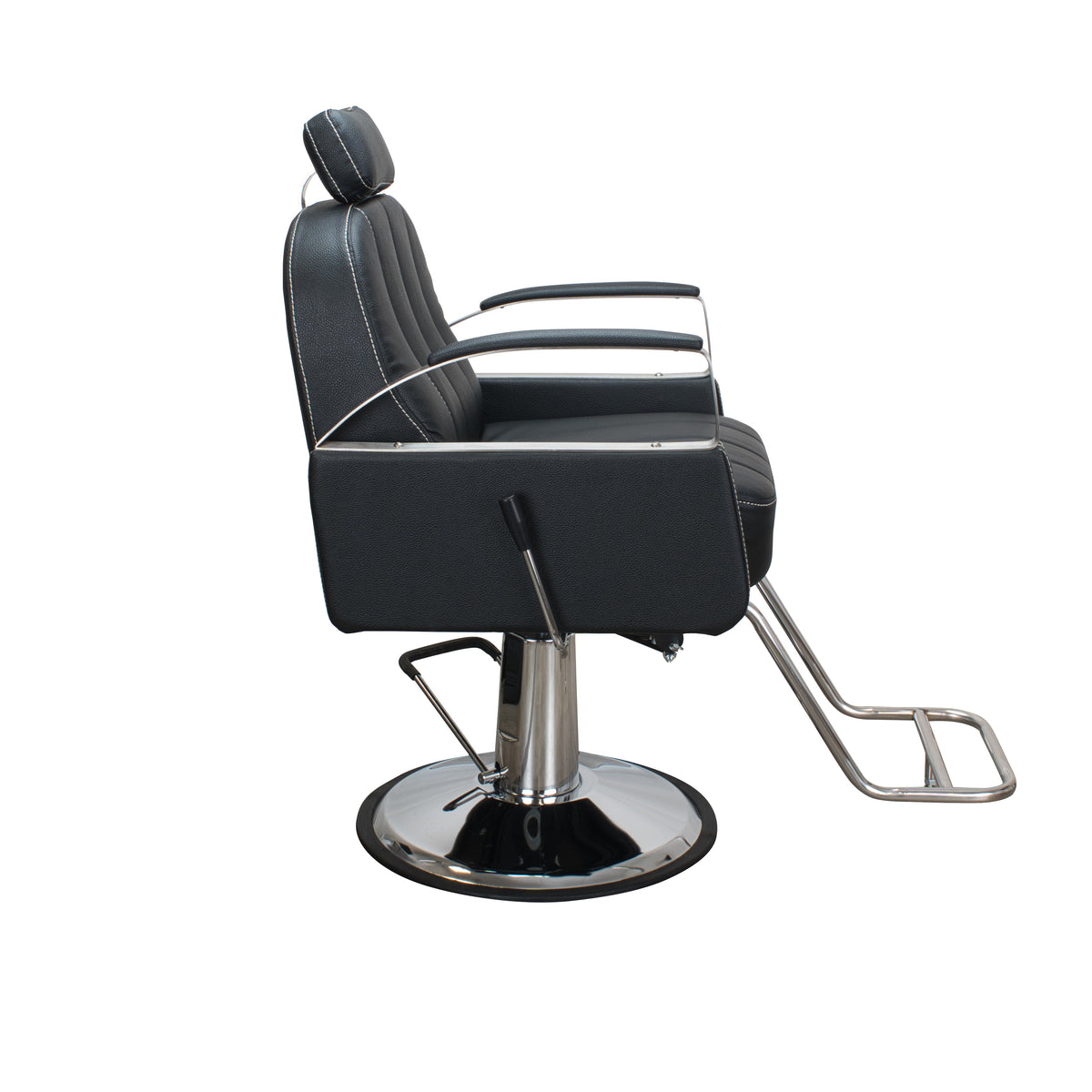
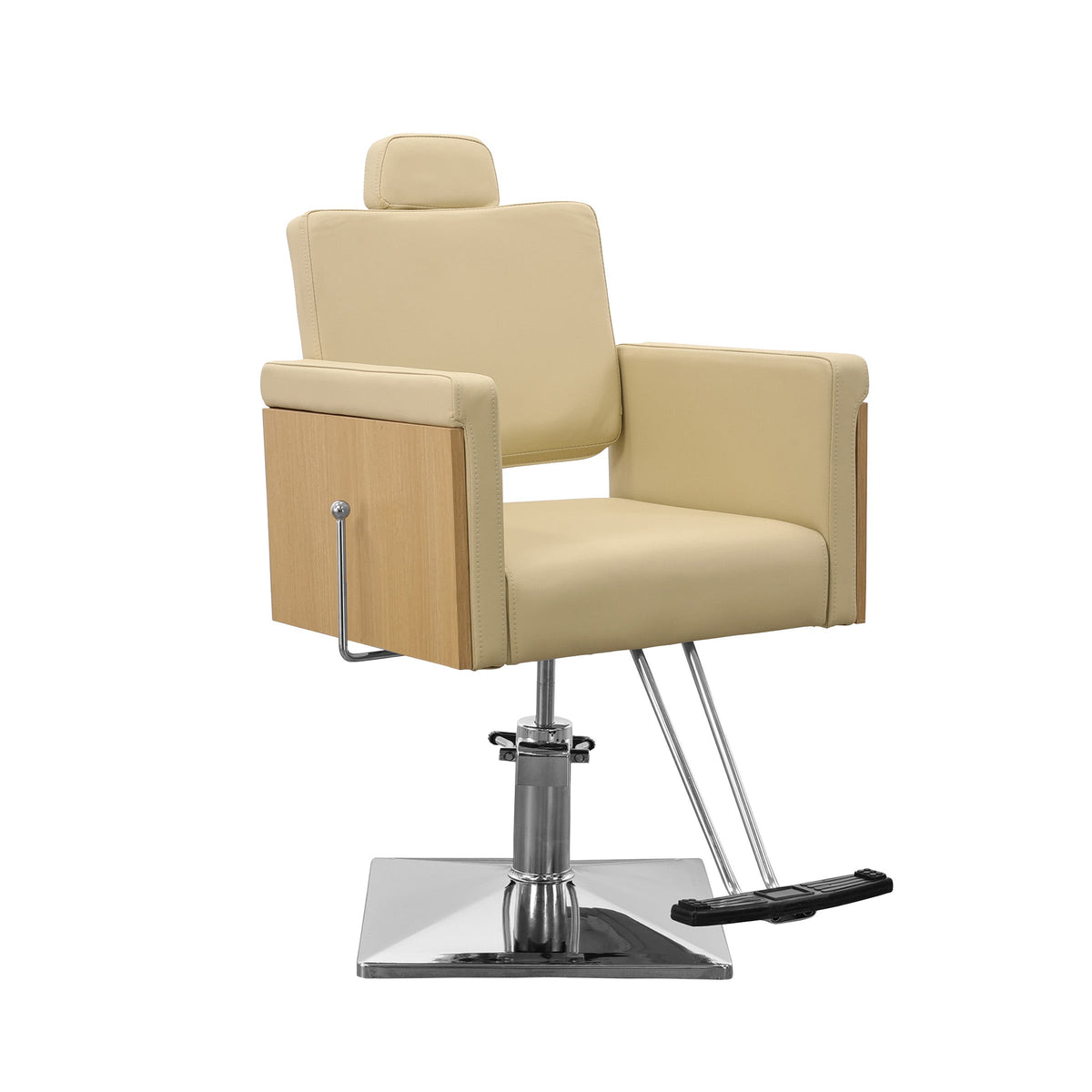
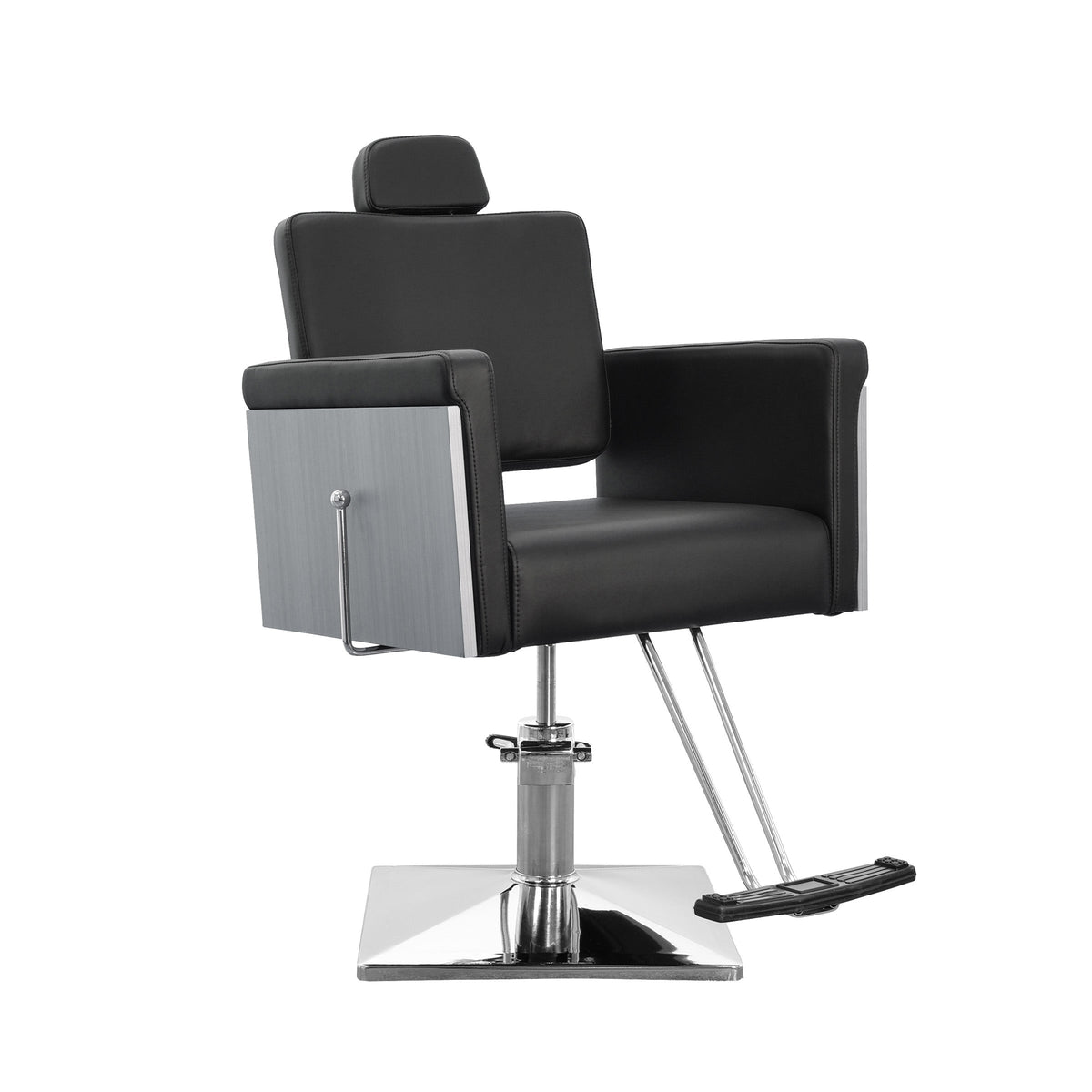
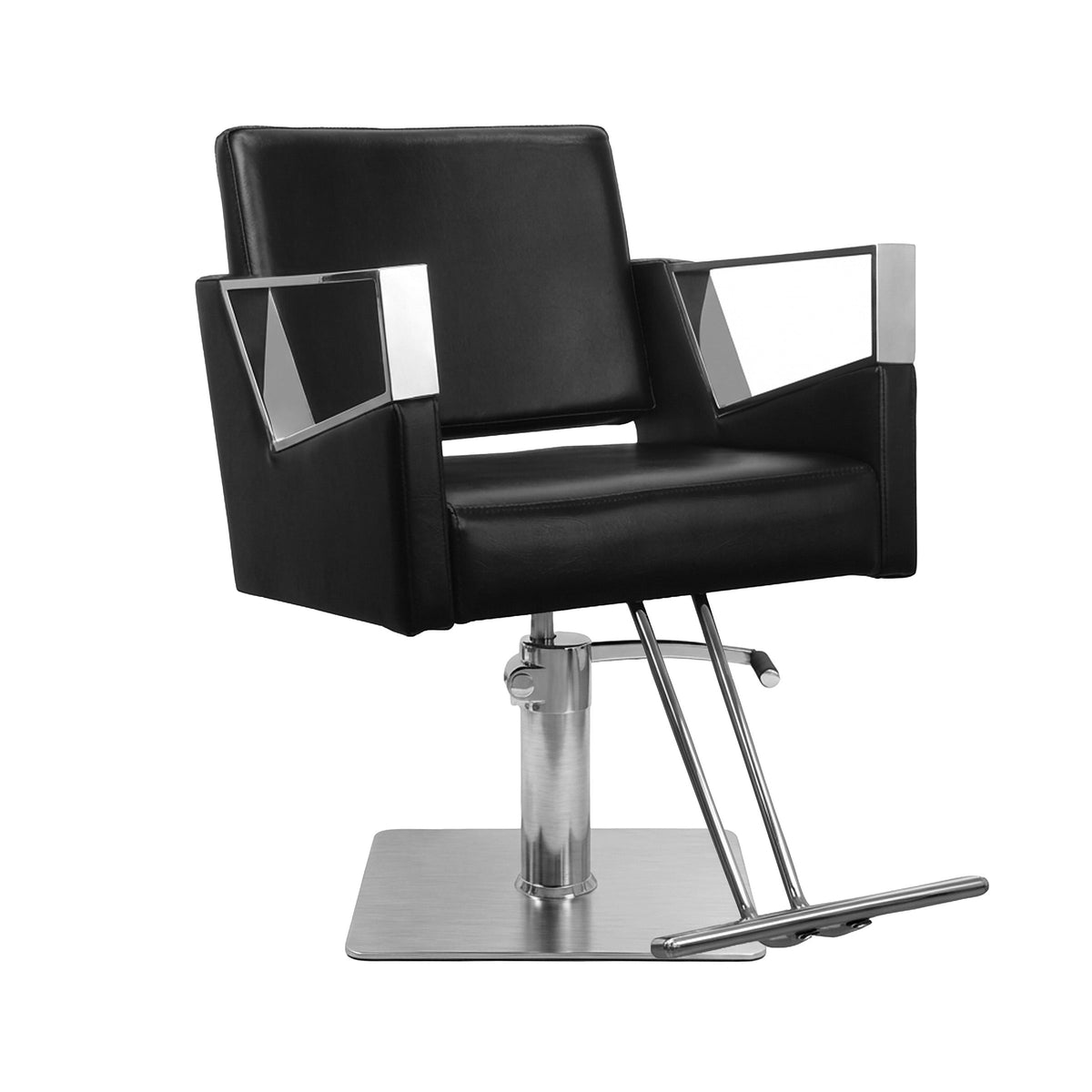
From the hair clippers in the hand to the barber chair under each client, every piece affects speed, comfort, and how professional the work looks. When gear starts holding a barber back instead of helping, it is time to think about a smart upgrade plan. That is where brands like SalonAct come in, focusing on durable, good looking barber furniture that pairs well with professional tools on the station.
This guide breaks down how to spot the signs that equipment is past its prime, what separates professional grade hair clippers from drugstore models, which features matter most, and how tool upgrades should line up with furniture and layout changes. By the end, it will be clear how a well planned upgrade can boost service quality, client comfort, and long term profit, without wasting money on the wrong gear. Whether someone runs a busy multi chair shop or a single chair studio, the goal is the same: the setup should make cuts faster, cleaner, and more comfortable, not harder. Let us start with how to know when the current gear is holding the business back.
As many veteran barbers like to say, “Good tools do not make you a good barber, but bad tools can hold a good barber back.”
Key Takeaways
- Spot Early Warning Signs: Learn to see when hair clippers, chairs, and other gear slow work. Little warning signs appear long before full failure. Catching them early saves time and money.
- Choose Real Pro Tools: See why professional grade hair clippers, with stronger motors and better blades, outwork cheap consumer models. The right tool cuts smoother and faster, and that difference shows up in every fade and beard line.
- Match Tools And Furniture: Understand how tool quality and furniture quality go hand in hand. Sharp clippers in a worn out chair still lead to awkward body angles and tired backs. Matching strong tools with solid chairs creates steady, repeatable work.
- Plan An Upgrade Budget: Get a simple way to divide upgrade dollars between clippers, trimmers, chairs, and stations. A clear plan keeps spending focused on what clients feel most. That means fewer impulse buys and more smart investments.
- Extend Equipment Life: See how regular maintenance stretches the life of professional clippers and barber chairs. A well cared for setup can work hard for years, turning each purchase into a strong return, not just a short term fix.
Recognizing The Signs Your Barbershop Needs An Equipment Upgrade
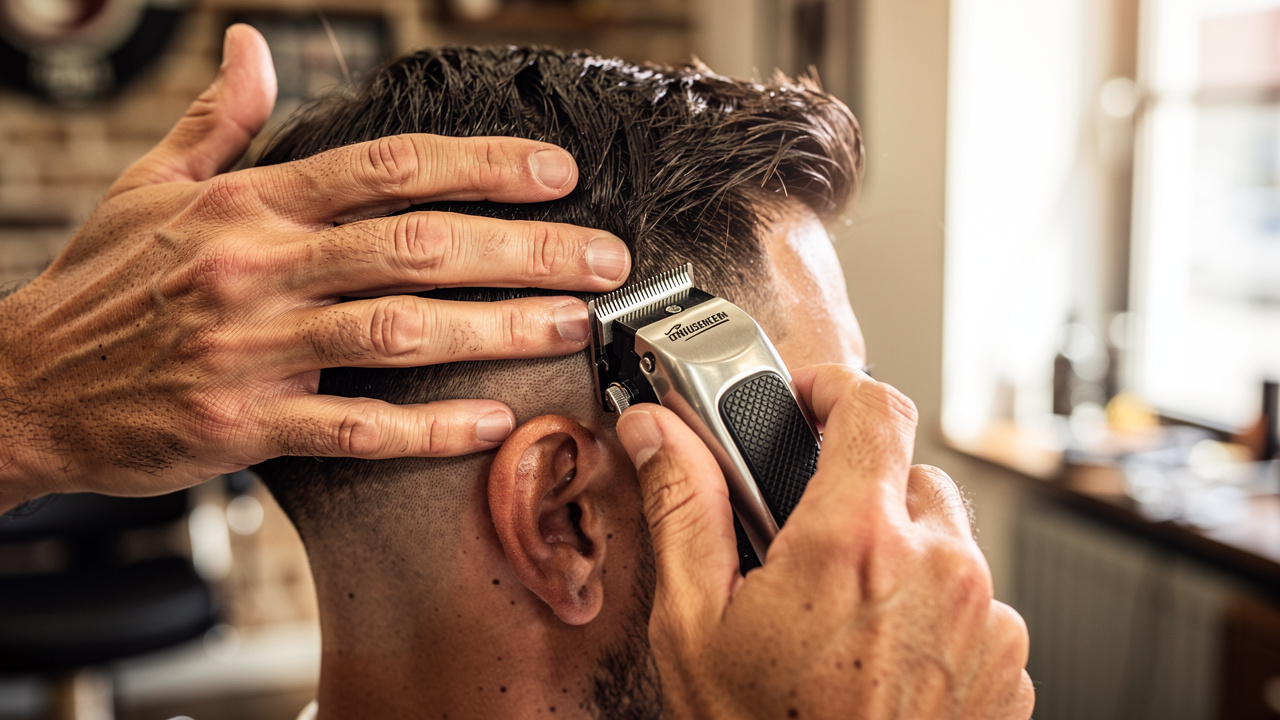
Gear rarely fails in one dramatic moment. Most of the time, a barbershop slides into “barely good enough” one shaky haircut at a time. Recognizing those early signs lets a shop plan upgrades on its own schedule, instead of being forced into buying whatever is in stock after something breaks mid day.
For hair clippers, the hints are pretty clear:
- The motor starts to feel weaker on thick or damp hair, even after a fresh oiling.
- Blades pull or snag instead of cutting cleanly, leaving red skin and annoyed clients.
- The body vibrates more than it used to, or heats up so fast that the hand has to switch tools just to finish a taper.
Inconsistent cutting lengths are another warning sign. When the same guard and technique give different results from side to side, internal parts are often worn or out of alignment. Strange buzzing, rattling, or clicking sounds suggest that the drive system is wearing out, not just the blades.
The barber chairs tell their own story:
- Hydraulic pumps start to sink slowly while someone is in the seat, or squeak every time they rise.
- Vinyl shows cracks, splits, or deep wrinkles that trap hair and disinfectant.
- The base may rock slightly when the client leans back, which never feels calm or professional.
Clients may not complain out loud, but they notice. Haircuts take longer because clippers struggle, or because the barber has to fight a chair that will not stay in position. People shift in their seats, ask for a neck pillow, or stop booking shaves because the chair feels stiff. Over time, that turns into fewer rebooks and weaker word of mouth.
A quick rule of thumb: if you can hear your clippers straining, your client can feel it.
Minor issues in a busy shop do not stay minor. A loose bolt becomes a wobbly armrest, and a small chip in a blade becomes a painful nick. Planning upgrades before gear fails keeps the schedule full and the brand image strong. It also allows room to choose long lasting options like SalonAct barber chairs instead of rushing for whatever is on sale.
Understanding Professional Grade Hair Clippers vs. Consumer Models
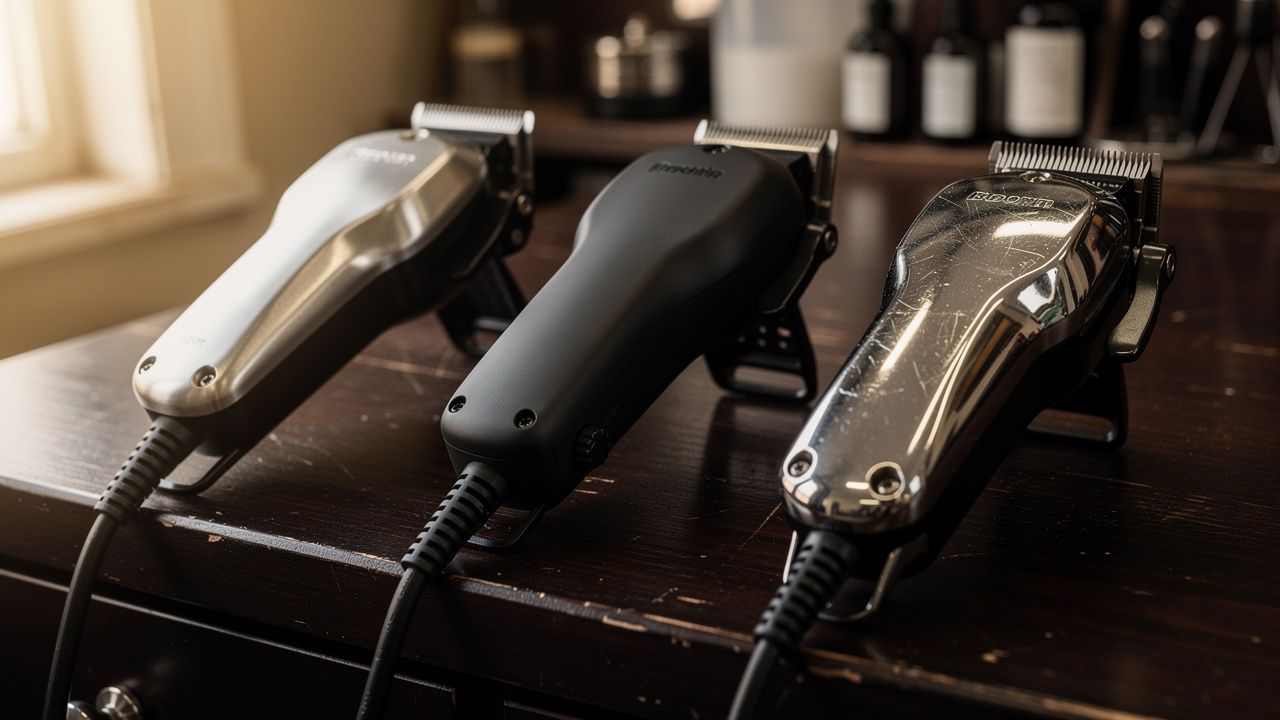
Not all hair clippers are built for eight hours of cutting, six days a week, which is why the Electric Hair Clipper and Trimmer Market research shows clear distinctions between consumer and professional segments. Many store shelf models are meant for a quick home trim once a month. Professional grade clippers are different tools entirely, designed around steady power, repairable parts, and comfort in the hand. That same idea separates a cheap styling chair from a real barber chair built for daily shop life.
Key differences between professional clippers and consumer clippers include:
- Motor design and power
- Blade materials and options
- Battery and cord setup
- Build quality and serviceability
At the heart of a professional clipper sits the motor:
- Magnetic motors run at high speed and work well in corded tools that handle a mix of basic cuts and fades.
- Pivot motors trade some speed for more torque, which helps on thick, heavy, or damp hair.
- Rotary motors give a balance of speed and power, and they are the standard choice in many cordless models because they handle any hair type without bogging down.
Professional blades also stand apart. High carbon steel and stainless steel hold a sharp edge far longer than cheaper alloys, and titanium or ceramic options run cooler and resist corrosion. Many pro clippers include an adjustable taper lever for quick half step length changes, plus special blades such as fade blades or stagger tooth designs that make blending lines much easier. Consumer tools rarely offer that level of control.
Cord choice matters too. Budget cordless clippers often feel convenient at first, then slow down halfway through a busy day. Modern professional cordless models pair lithium ion batteries with strong rotary motors, giving more than one hundred minutes of steady power per charge. Many can also run with a cord plugged in when needed, so there is no panic when the battery bar gets low.
Build quality is another clear line between the two groups. Professional clippers use metal housings or thick, impact resistant plastics, firm switches, and grips shaped for hands that cut all day. Screws, blades, and cords are made to be serviced or replaced, not thrown away. The same way SalonAct barber chairs rely on solid frames and commercial grade vinyl to survive years of use, pro clippers are engineered to keep earning money long after a bargain model would have been tossed.
That is why total cost over time matters more than the price tag on day one. A three hundred dollar professional clipper that runs well for five to seven years, with an occasional blade change, costs less per haircut than replacing a fifty dollar kit every year. For a working barber, buying once for the long term is almost always the cheaper path.
Essential Hair Clipper Features For Modern Barbering
Walking through clipper options can feel like staring at a wall of shiny metal and plastic, especially as Generation Z's Trimmer preferences and professional needs reshape product development in the industry. Under the surface, though, a few key features decide how well those tools will serve in the shop. Looking at motors, blades, power, ergonomics, and add ons makes it much easier to pick the right fit.
The main features to focus on are:
- Motor technology
- Blade design and adjustability
- Power source (corded, cordless, or hybrid)
- Ergonomics and weight
- Extra functions such as speeds or displays
- Compatibility with guards and blades
Motor technology is the first thing to check. Shops that focus on high volume basic cuts often like fast magnetic motors, which move quickly through lighter hair and buzz cuts. Barbers who handle thick curls, coils, or long growth between cuts lean toward pivot or rotary motors that will not stall when they hit dense spots. Rotary models are the most flexible, especially for cordless tools, since they give a steady feel on almost any head that sits in the chair.
Blades decide how clean the finish looks. For fading, stagger tooth blades scatter the weight line, making it easier to erase that dark bar without endless cross checking. Fade blades are ground flatter so they can cut closer to the skin and help with tight tapers and skin fades. An adjustable taper lever is almost mandatory for modern work, since it lets a barber fade between guard lengths without constantly swapping combs. When lines and outlines matter, zero gapped trimmers and T blades give that crisp, razor like edge many clients request.
Power source shapes the daily rhythm in the shop:
- Cordless clippers offer clear freedom, especially when moving around the chair or reaching odd angles on beard work. Long battery run time and quick charge features matter far more than flashy lights here, since no one wants to pause a cut for a dead battery.
- Corded models remove that concern and often cost less, which makes them useful as main workhorses or as backup tools for rush hours.
- Cord/cordless hybrids combine both, running cordless most of the day but plugging in when needed.
Ergonomics often gets ignored until wrists start to ache. A clipper with good balance, a secure grip, and the right weight for the user allows long days without strain. Some barbers prefer a heavier, solid feel, while others like lighter composite bodies that are easier on small hands. The best choice is the one that feels natural when doing real cutting motions, not just when picked up from a shelf.
Modern clippers bring a few clever extras. Digital displays show battery level and sometimes reminder icons for oiling or cleaning. Multiple speed settings can help switch between bulk removal and finishing, while quiet motors make the experience calmer for kids and nervous clients. None of these matter if the core motor and blade are weak, but on a strong base they can turn a good tool into a shop favorite.
Compatibility is the last piece of the puzzle. Detachable blade systems let barbers jump between different cutting lengths and textures fast, which can speed up complex cuts. Many pros invest in premium guards with metal or magnetic clips that fit several popular brands, giving a consistent feel across tools. Thinking through these details is similar to choosing a barber chair with the right recline range and base size, so the furniture supports the exact services the shop offers.
| Category | Typical User | Motor Type | Key Features | Approximate Price |
|---|---|---|---|---|
| Entry Level Professional | New barber or backup tool | Magnetic or small rotary | Basic taper lever, plastic guards, simple housing | 80 to 150 dollars |
| Mid Range Workhorse | Busy chair doing fades and tapers | Strong rotary or pivot | Better blades, stronger guards, longer run time, nicer grip | 150 to 250 dollars |
| Premium Flagship | High volume fade specialist or clipper nerd | High torque rotary or magnetic | Stagger tooth or fade blades, metal body, digital display, swappable lids or guards | 250 to 400 plus dollars |
Top Professional Hair Clipper Brands And Their Specialties
Once the key features are clear, specific brands make more sense. A handful of companies have earned long standing trust in barbershops by building tools that survive busy weeks and keep their edge. Knowing what each one tends to do best helps match the right clipper to the way a shop actually works.
-
Wahl Professional is often the first name people think of when they picture a barber clipper. The Five Star Magic Clip cordless model is loved for its stagger tooth blade and crunchy fading sound that lets barbers hear the blend. The Senior brings a strong electromagnetic motor and solid body for heavy bulk removal. Wahl also covers students and budget pros with classics like the Super Taper II, so a full shop can run almost entirely on Wahl if they wish.
-
Andis built its reputation on strength and precision. The Master clipper, in both corded and cordless versions, uses a tough aluminum body and fast motor that many barbers keep for life. The T Outliner trimmer is a standard for sharp hairlines and beard edges, and can be set very close for line ups. Andis also leads in care products such as Cool Care Plus spray and clipper oil, which support any brand of tool.
-
BaBylissPRO speaks to barbers who want serious performance with bold style. The FX line, with finishes such as GoldFX or RoseFX, hides Ferrari designed brushless motors under shiny metal shells. These tools hit hard on bulk and fading while looking great on camera and in the chair. For barbers who film content or work in modern shops, BaBylissPRO becomes part of the visual brand.
-
Oster has long been the choice for raw cutting power. The Classic 76 rotary clipper uses detachable blades and plows through thick, wet, or tangled hair without complaint. The Fast Feed offers a quieter pivot motor that still handles heavy work, which many barbers like for all day cutting. These clippers are heavier than some modern designs, but fans swear by their strength and long service life.
-
StyleCraft and Gamma Plus appeal to tech minded barbers who like to tune and customize their tools. Their clippers and trimmers often ship with interchangeable lids, levers, and guards, so the look and feel can match each artist. High speed magnetic motors and Black Diamond Carbon blades give a fast, cool cut that works well for detailed fading. For barbers who enjoy tweaking their setup, these brands feel like a playground.
| Brand | Signature Models | Motor Focus | Best Use |
|---|---|---|---|
| Wahl Professional | Five Star Magic Clip, Senior, Super Taper II | Magnetic and rotary | All around fading and taper work across many budgets |
| Andis | Master, T Outliner, BGRC | Magnetic and rotary | Precision cuts, sharp lines, detachable blade work |
| BaBylissPRO | FX Series, Lo ProFX | Brushless rotary | High power cutting with bold, modern style |
| Oster | Classic 76, Fast Feed | Rotary and pivot | Heavy bulk removal and thick or wet hair |
| StyleCraft or Gamma Plus | Ergo, Rogue, matching trimmers | High speed magnetic | Custom looks, fast fading, tech friendly setups |
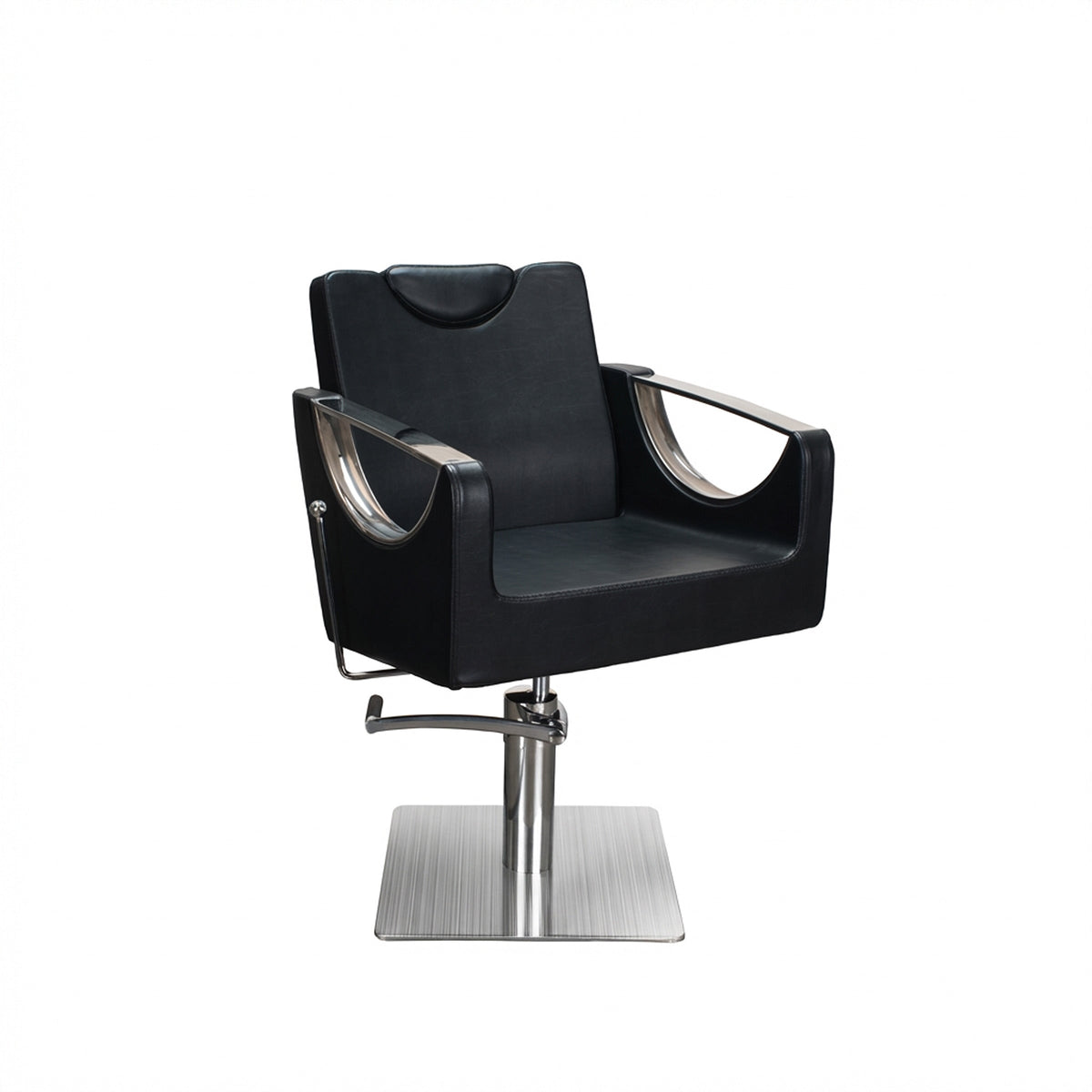
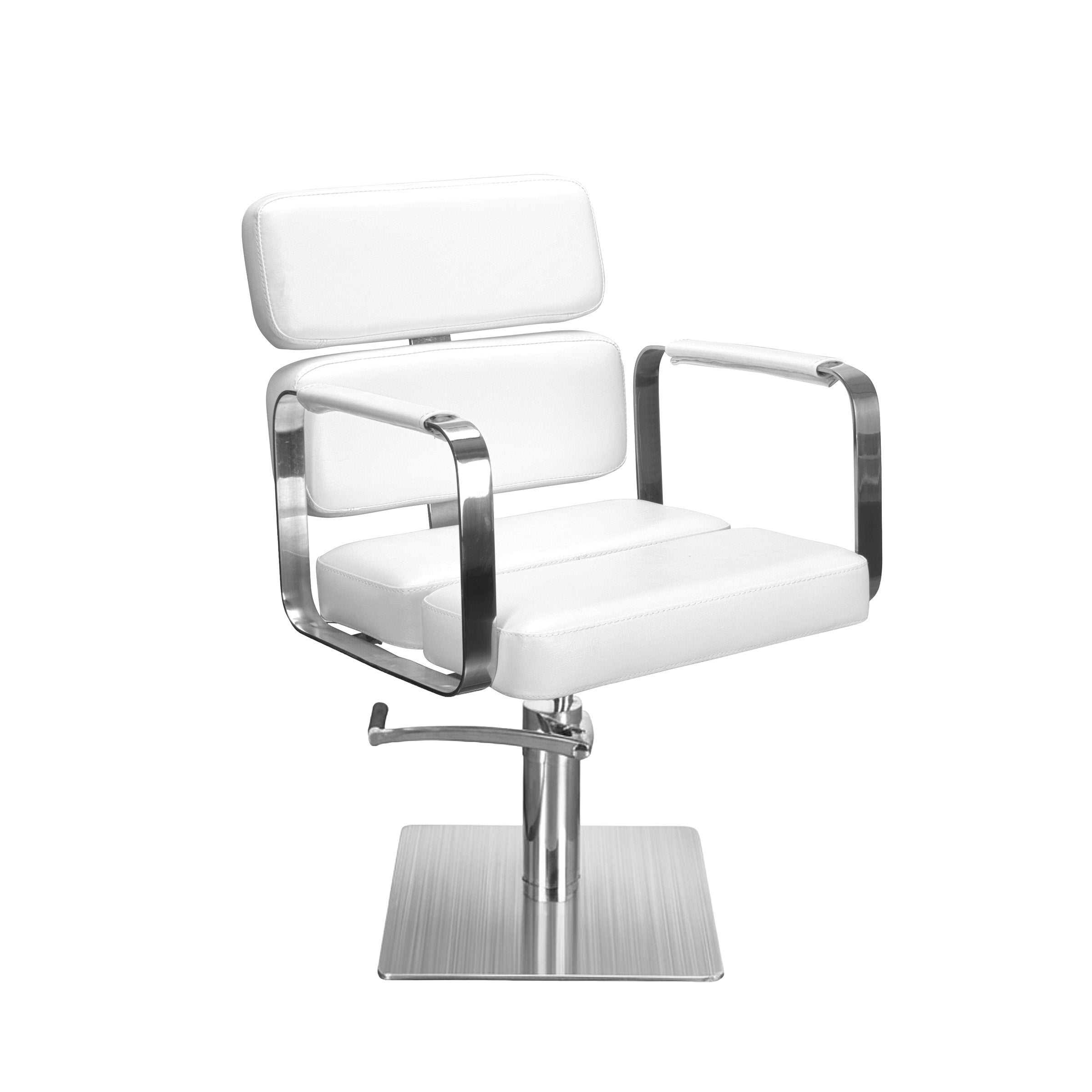
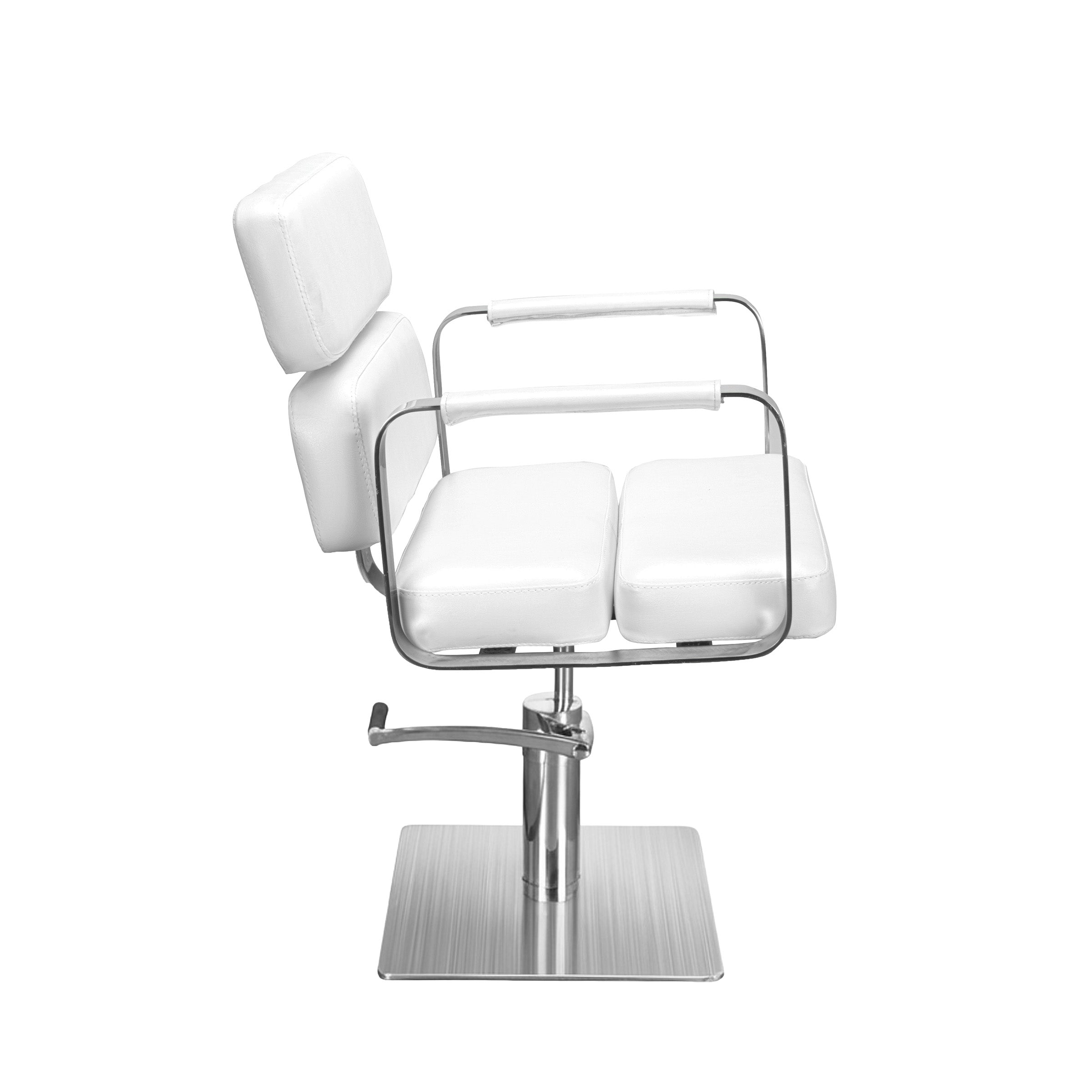
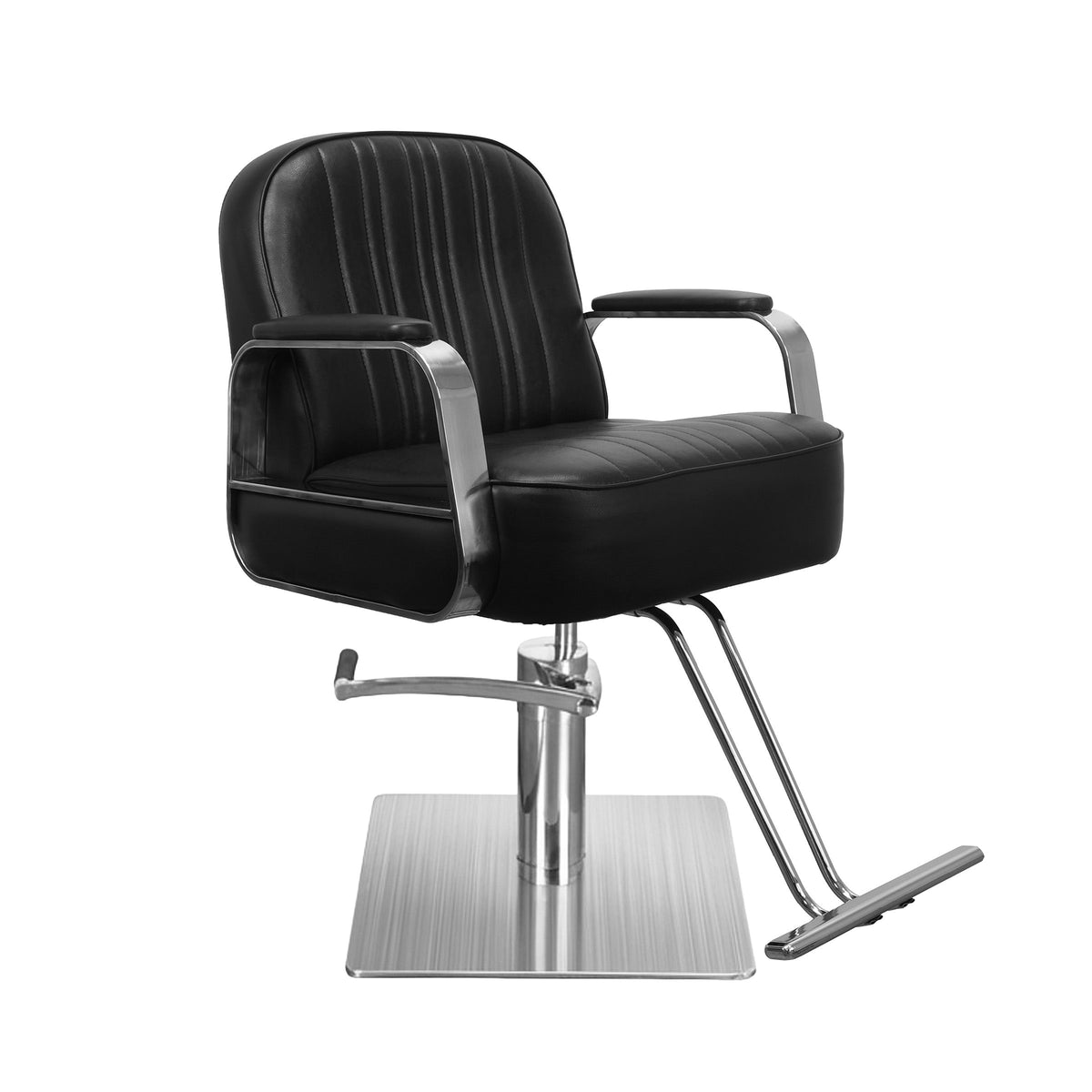
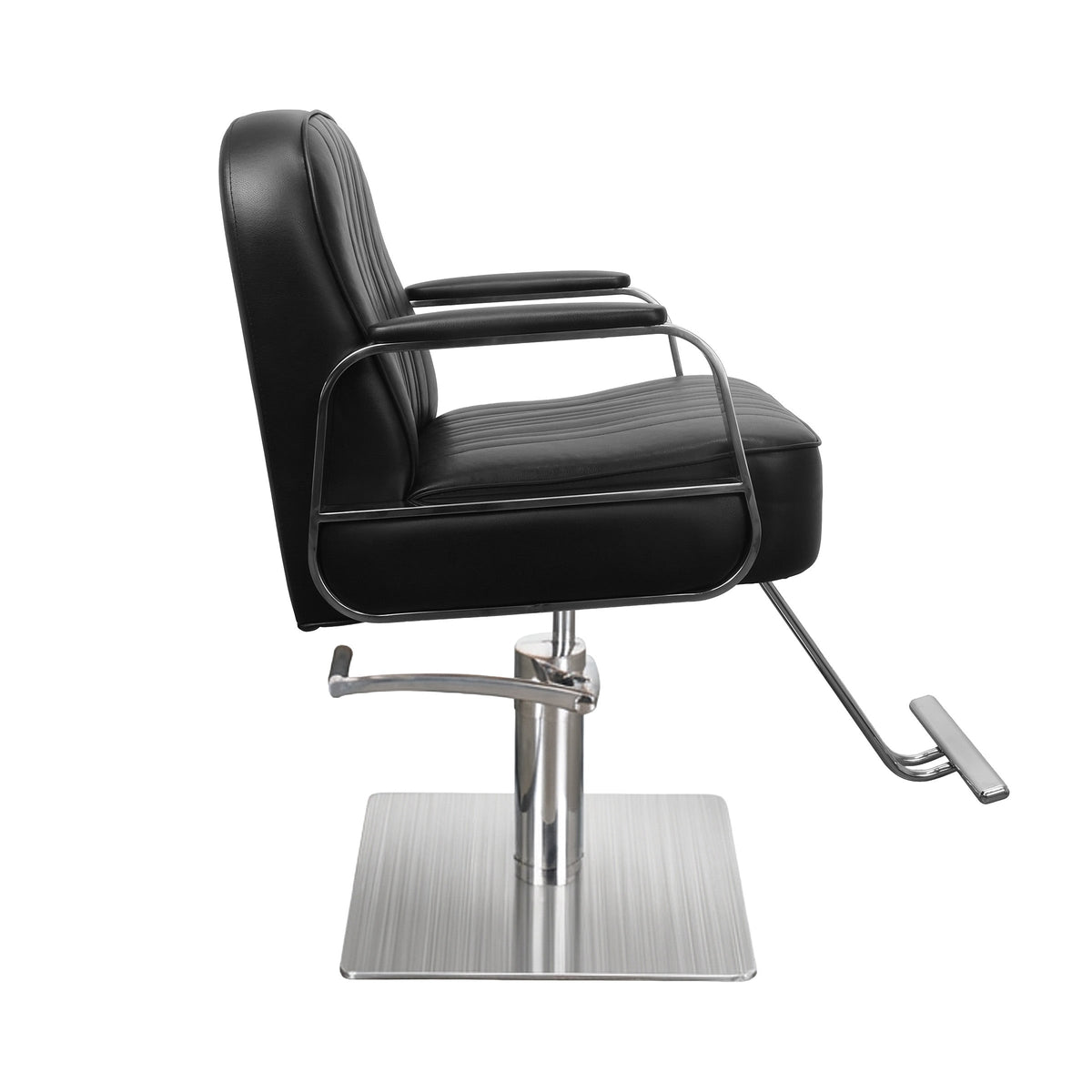
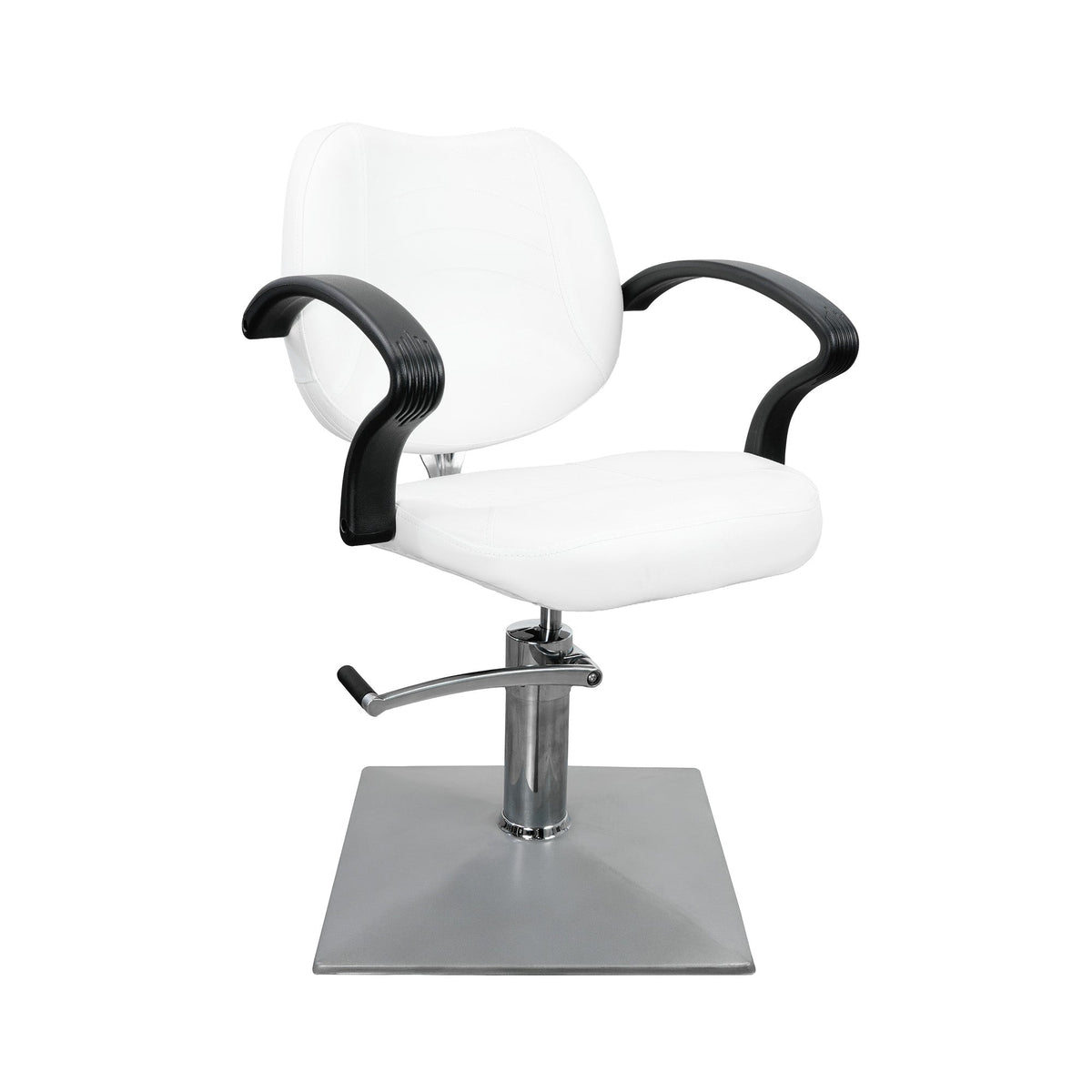
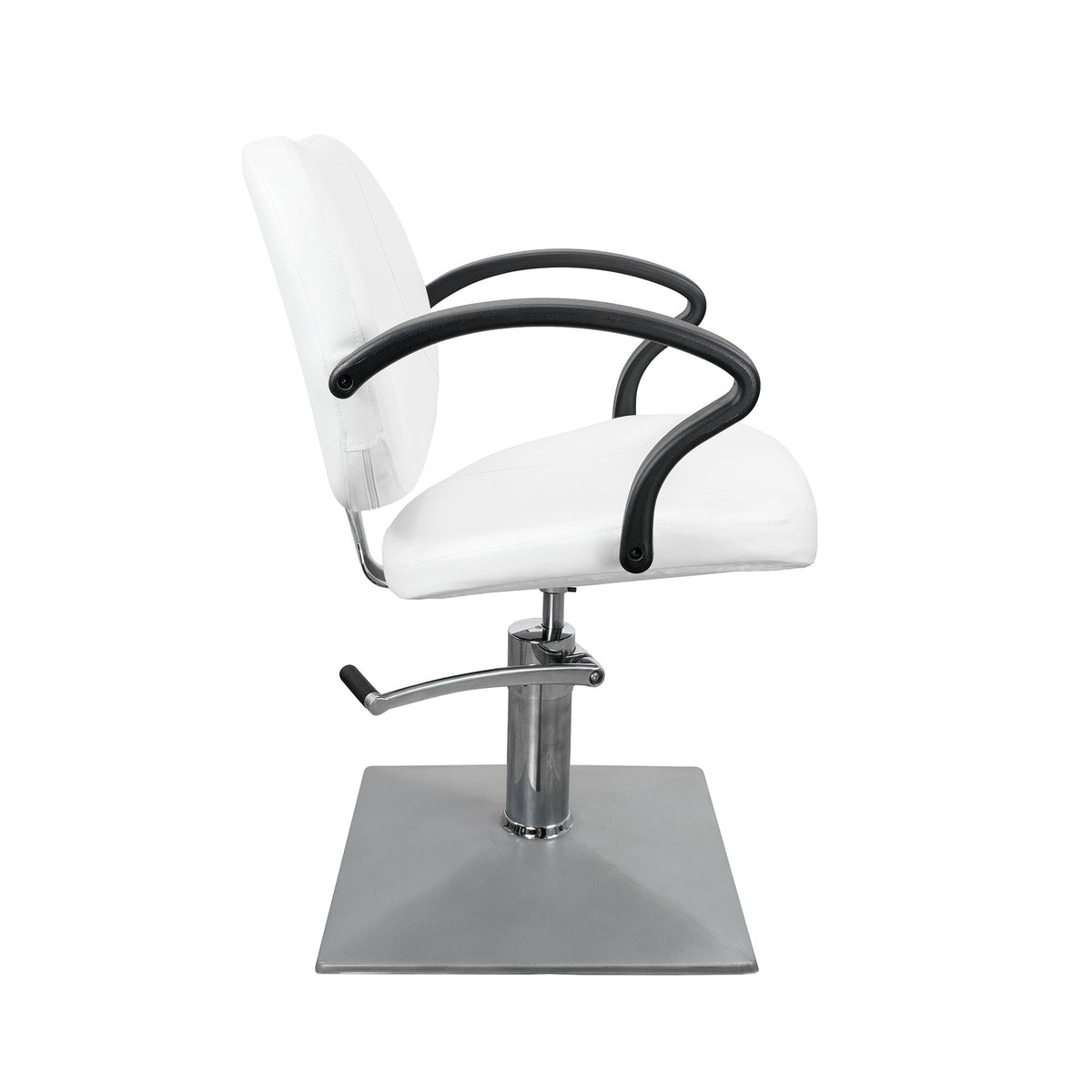
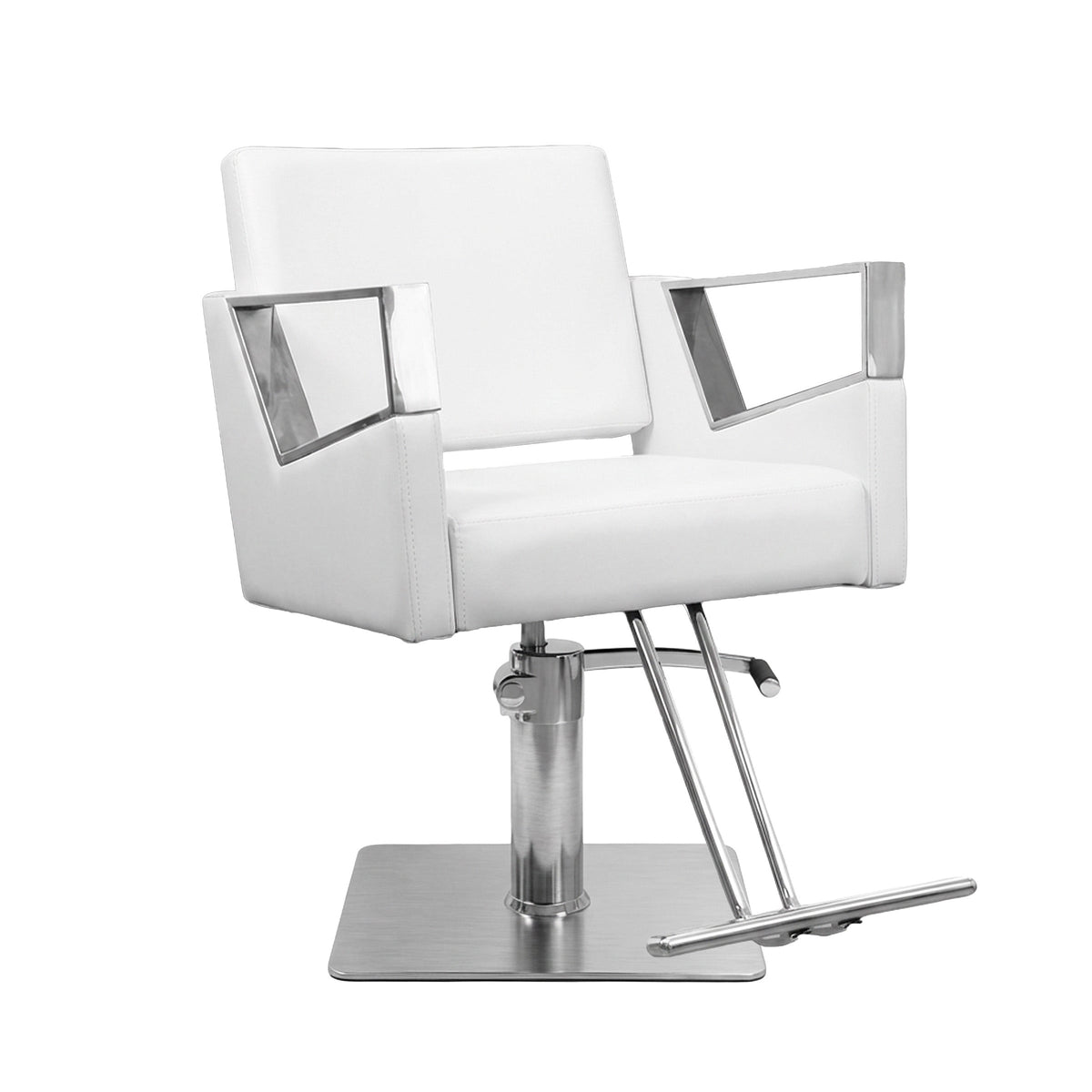
Just as each of these clipper brands serves a slightly different type of pro, SalonAct offers barber chairs and stations in classic, vintage, and modern styles. That makes it easier to match a favorite Andis Master or BaBylissPRO FX with furniture that tells the same visual story, from tufted upholstery and chrome arms to clean lined monochrome setups.
Maintenance Best Practices To Maximize Clipper Lifespan
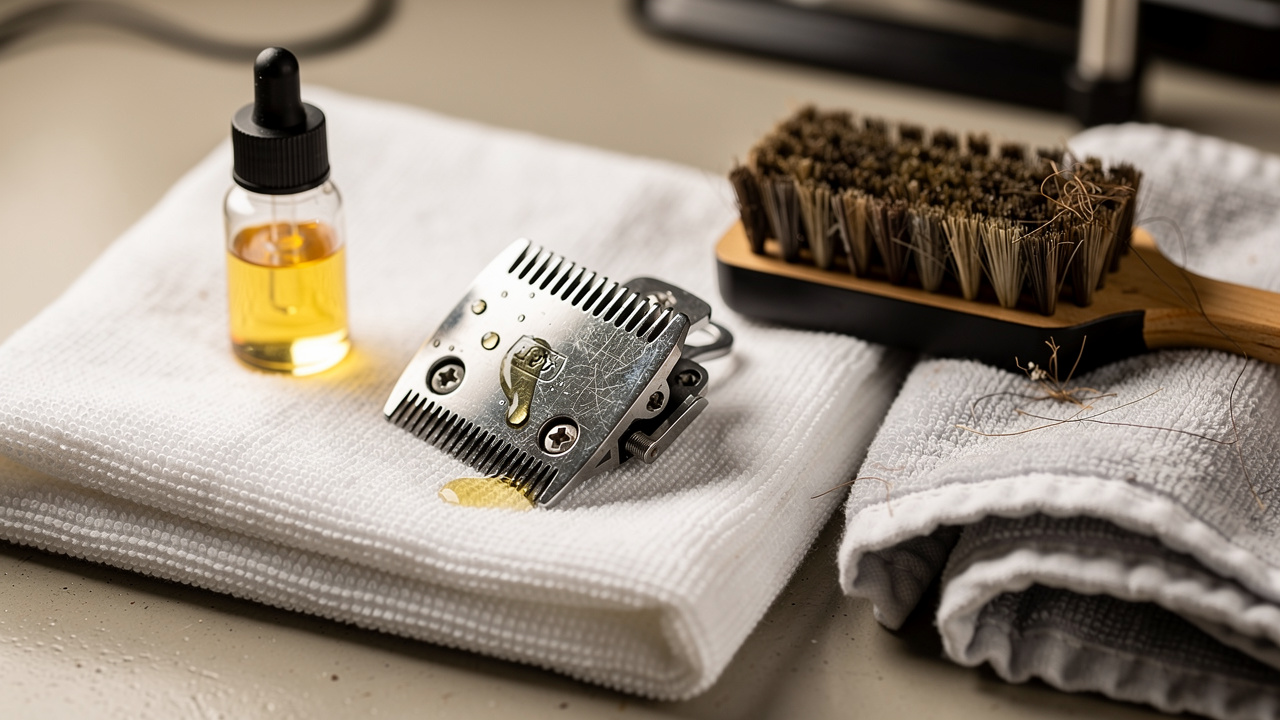
Professional hair clippers are not disposable. With regular care, they can run for years with the same smooth feel they had out of the box. A simple routine protects both the tool and the client in the chair.
A practical care schedule might look like this:
- After every client: Brush, spray, and wipe.
- Daily: Oil blades and check for heat or noise.
- Weekly: Deep clean, inspect screws, and confirm blade alignment.
- As needed: Replace or sharpen blades and swap worn guards.
After every cut, loose hair should come off the blades and body. A stiff brush reaches between the teeth and around the hinge where hair likes to hide. Wiping the housing with a soft cloth keeps product buildup from creeping toward the motor vents. In busy shops, many barbers keep a small cleaning station at each chair so this takes less than a minute between clients.
Oiling is the step that many people skip, and it costs them dearly. A few drops of clipper oil along the top and sides of the moving blade, while the clipper is running and held blade down, reduces friction and heat. Letting the tool run for ten to twenty seconds spreads the oil, then any extra can be wiped away. When blades stay slick, they last longer, cut cooler, and the motor does not have to fight against dry metal.
Disinfection between clients is a health requirement, not just a nice habit. Sprays such as Andis Cool Care Plus clean, cool, lightly lube, and add a thin rust barrier in one quick pass. Spraying clippers while they run, then wiping them dry, keeps germs in check without soaking the motor. It does not replace real oiling, but it does help keep both clients and staff safer.
-
Regular alignment checks prevent painful nicks. With the clipper unplugged, the cutting blade should sit slightly behind the fixed blade and line up evenly from side to side. Dropping a tool or unscrewing blades for deep cleaning can knock this off. Taking sixty seconds each week to inspect and adjust avoids hard conversations with a cut client.
-
Blades do not last forever, even with perfect care. When a clipper tugs hair, leaves lines, or still feels rough after cleaning and oiling, fresh blades or a sharpening visit are due. Many pros keep a spare set ready so they never lose income while waiting on service. Replacement blades cost far less than a whole new tool and keep a favorite clipper in rotation.
-
Simple math shows why this care matters. A three hundred dollar clipper that serves for seven years ends up costing about one dollar per seated client in a busy shop. That is an easy trade for the speed and control it brings. SalonAct applies the same idea to barber chairs, pairing strong frames and commercial vinyl with clear care tips so furniture can serve just as long.
With steady daily cleaning, oiling, and blade checks, one good clipper can carry a chair through thousands of haircuts before retirement.
Coordinating Your Clipper Upgrade With Furniture And Workspace Improvements
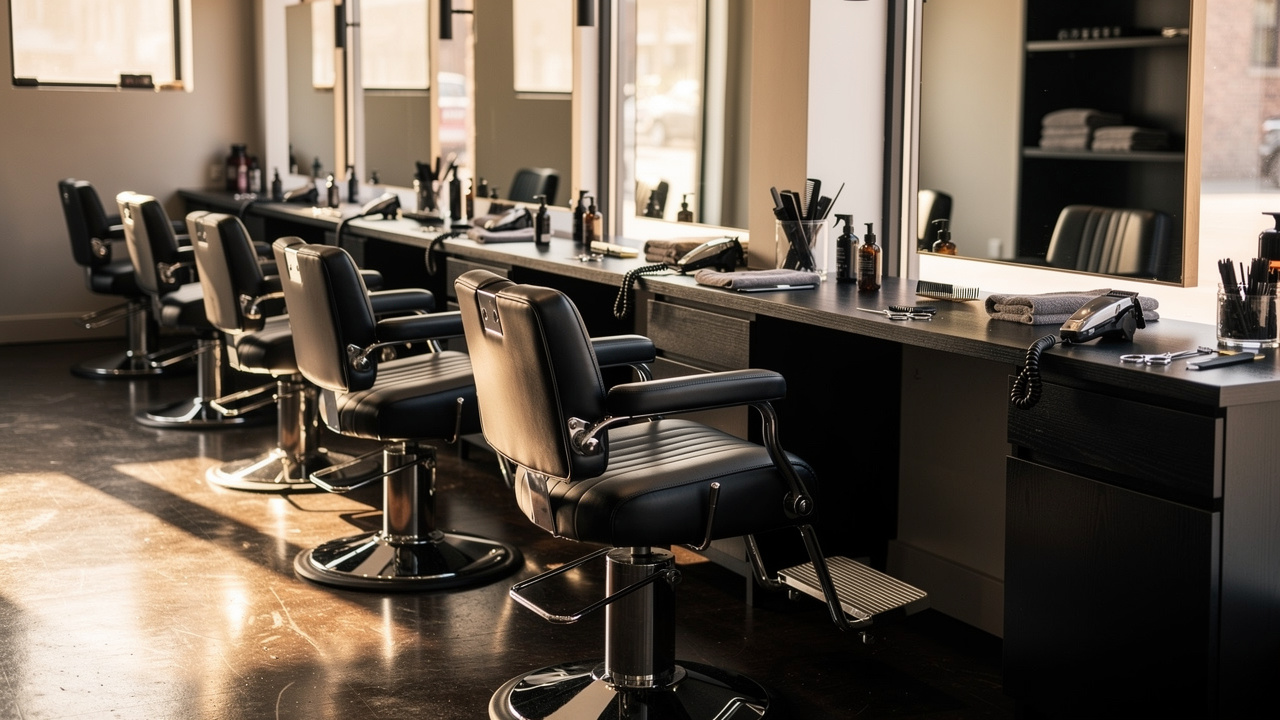
Upgrading clippers without looking at the rest of the shop is like putting racing tires on a car with worn brakes. The cut may be sharper, but the full experience still feels off. The best results come when tools, chairs, layout, and storage all rise together.
Start with a simple budget map. Many owners like to spend about half of their furniture budget on styling and barber chairs, around a quarter on shampoo stations, and the rest on reception and storage pieces. Lining up the tool budget to match that same priority keeps things balanced. That often means putting clippers and trimmers first, then dryers, shavers, and niche tools after the main money makers are covered.
Workflow and ergonomics tie tools and furniture together in very real ways. A quality barber chair with smooth hydraulic lift, deep recline, and a wide, heavy base lets the barber set perfect height and angle for clipper work. That means better posture, less back pain, and more control over every pass of the blade. Weak hydraulics or narrow, shaky bases fight against even the best tools.
Space planning matters just as much as which models end up in the room. Leaving forty two to forty eight inches between chairs gives enough room to move around with cordless clippers without bumping into another station. Compact, high capacity stations, rolling carts, and wall mounted shelves let shops add more chairs or create wider aisles without knocking down walls. SalonAct designs much of its furniture around these measurements so barbers can work smoothly even in tight floor plans.
Aesthetic cohesion sounds fancy, but it is really about the room telling one clear story. A shop full of sleek black and steel SalonAct chairs pairs naturally with polished BaBylissPRO FX tools and clean white walls. A vintage inspired space with tufted chairs and rich wood might match better with classic Wahl or Oster gear. Clients may not know the brand names, but they feel when the space and the tools fit together.
Finally, think about where clippers rest and how they stay powered. Stations with built in outlets or charging shelves keep cords off the floor and batteries ready. Drawer inserts, magnetic strips, and clipper hooks protect tools from random drops. SalonAct barber furniture is built for daily shop use, so pairing it with top clipper brands and a thought out power plan keeps the whole workspace running smoothly.
A short checklist can help:
- Map out your clipper and trimmer needs first.
- Match barber chairs and stations to those services.
- Leave clear pathways and working room around every chair.
- Keep chargers, outlets, and holders close to each station.
- Choose a visual style that ties tools and furniture together.
How Quality Equipment Boosts Service Offerings And Client Experience
High quality clippers and furniture do more than look nice on social media. They quietly raise the ceiling on what a shop can offer and how much clients are willing to pay. When everything works smoothly, the barber can focus on craft instead of fighting gear.
On the cutting side, strong motors and advanced blades mean cleaner fades, sharper tapers, and detailed designs that hold their shape longer. A stagger tooth blade glides through blends without harsh lines, while an adjustable lever lets a barber paint in half steps for glass smooth gradients. Paired with a stable barber chair that swivels and locks exactly where it should, this control makes even tricky heads feel simple.
Better tools and chairs also open the door to extra services. Deep reclining barber chairs with solid headrests support hot towel shaves, facial treatments, and brow work, which turn a basic haircut ticket into a fuller service. Foil shavers, close setting trimmers, and precise clippers let barbers confidently offer skin fades, beard sculpting, and hair art that might feel risky with weaker tools.
Speed matters too. When a rotary or high speed magnetic motor slices through heavy growth without slowing, each cut takes fewer passes. That keeps the schedule on time and leaves space for one or two extra bookings each day. Clients feel the comfort side as well, since cool running blades and well padded, steady chairs make long appointments feel more like a short break than a chore.
Clean, well kept tools and furniture send a clear message about standards. Stainless or ceramic blades that wipe clean, combined with strict disinfection habits, show care for client health. Commercial vinyl on SalonAct chairs resists stains and harsh cleaners, so the room stays fresh looking even after back to back color or shave services. Over time, clients start to talk less about the price and more about how they always feel sharp, safe, and relaxed when they sit in that chair, which is the best path to steady repeat business.
Clients rarely ask what clipper you use, but they always remember how they felt walking out of the shop.
Conclusion
Knowing when to upgrade a barbershop is part science, part gut feeling. Tired hair clippers that drag through fades, barber chairs that sink or squeak, and layouts that force awkward body angles all point in the same direction. When the tools in the hand and the furniture under the client start holding back the work, it is time to plan the next stage.
Professional grade clippers stand apart through their motor strength, blade quality, and long lasting construction. When they are cleaned, oiled, and aligned on a regular schedule, they cut faster, stay cooler, and last for years. The cost spreads across thousands of haircuts, turning what looked like a big purchase into one of the lowest day to day expenses in the shop.
The same logic applies to the furniture that supports every service. Investing in solid steel frames, commercial grade vinyl, and smooth hydraulics, like those in SalonAct barber chairs and stations, shapes both client comfort and barber health. Planned together with clipper and tool upgrades, these pieces create a space that looks sharp, works smoothly, and stays that way long after trend colors change.
If current gear is starting to get in the way of the work a barber wants to do, that is the signal. Take stock of clippers, trimmers, chairs, and layout, then build a clear upgrade list instead of waiting for the next breakdown. When ready to raise the level of the furniture side, explore how SalonAct can pair durable, good looking chairs and stations with the professional tools already on the wish list, and turn the shop into a place that clients talk about for all the right reasons.
FAQs
Question 1 How Often Should Professional Hair Clippers Be Replaced?
With steady cleaning, oiling, and blade care, professional hair clippers can easily run five to seven years or more. A solo barber who rotates two main clippers may see even longer life, while a high volume shop can wear through one in three to five years. Replacement time shows up when motors lose power and fresh blades dull fast. Quality barber chairs follow a similar rule, often lasting a decade or more with basic care.
Question 2 What Is The Most Important Feature To Look For In A Professional Hair Clipper?
Motor power is the first thing to judge, because it decides whether a clipper can handle any hair type without stalling or tugging. Rotary motors give the best mix of strength and speed for most barbers. Blade quality comes next, since sharp, adjustable blades make fades and tapers smoother. The “most important” feature can shift by role, just like barbers choose hydraulic or electric chairs based on their room and wiring.
Question 3 Are Cordless Clippers As Powerful As Corded Models?
Modern cordless clippers at the professional level are very close to, and often equal to, corded power. Lithium ion batteries and rotary motors let models such as Wahl Magic Clip Cordless or BaBylissPRO FX hold strong speed for more than one hundred minutes. Older or drugstore cordless tools still drop off quickly. Many barbers keep both cordless freedom and one strong corded backup, or pick hybrid models that can plug in when needed.
Question 4 How Do I Know If I Need To Upgrade My Barbershop Furniture Along With My Clippers?
Furniture sends clear signals when it is past its best days. Hydraulic pumps squeak or sink, vinyl cracks or peels, armrests wobble, and the chair may not recline smoothly enough for shaves. If these issues force awkward client positions or limit what services feel safe to offer, it is time to change them. SalonAct chairs use solid frames, commercial vinyl, and practical designs for daily shop work, so a full upgrade only needs to happen once in a long while.
Question 5 What Maintenance Do Professional Hair Clippers Need?
Professional hair clippers need a simple routine:
- Brush loose hair from the blades after each use.
- Oil the blade rails daily with a few drops.
- Disinfect between clients with a quality spray.
- Once a week, remove blades for deeper cleaning and check alignment.
- Replace or sharpen blades when they begin to pull or leave lines.
SalonAct promotes the same idea with chairs, sharing clear care steps so frames, pumps, and vinyl stay in good shape and keep serving clients for years.