Hair Color Dye Guide for Modern Salon Professionals
Introduction
When a client sits in the chair asking for “something new,” the answer in 2026 is no longer just picking a shade from a swatch book. Hair color dye has turned into a mix of chemistry, artistry, and smart salon setup. Formulas are cleaner, tones are more precise, and application methods are more strategic than ever.
Clients now expect more than a pretty selfie when they leave. They want long‑lasting hair color dye results, scalp comfort, a relaxed body during three‑hour appointments, and a sense that the process is as thoughtful as the final look. That means professionals need not only skill with a brush, but also the right products, timing, tools, and furniture to keep both color and people in great shape.
This guide breaks down the hair color dye scene of 2026 in plain language. It covers the four main dye types, the chemistry behind oxidative and direct color, ingredient and format choices, consultation best practices, application methods, lightening and toning, and client aftercare. Along the way, it shows how smart infrastructure from brands like SalonAct supports advanced color services, keeps stylists’ bodies happier, and makes clients far more likely to rebook and pay premium pricing.
“Color is a science on paper and an art on the head.” — common saying in professional education classes
Key Takeaways
-
Hair color dye types matter. Permanent, demi, semi, and temporary options all behave differently in the hair. When product choice matches the client’s goals and lifestyle, color lasts longer and correction appointments drop.
-
Oxidative vs direct hair color dye. Oxidative color changes the inside of the hair, while direct dyes sit mostly on the surface. This difference guides which developer to pick, how long to process, and how aggressive a change is realistic in one visit.
-
Ingredients and format count. Clients ask about ammonia, PPD, vegan labels, and fragrance while also caring about comfort and shine. Choosing the right cream, liquid, foam, mask, or gloss for each service helps hair color dye behave the way the stylist expects.
-
Pro technique beats box dye. Professional consultations, sectioning, timing, and safety steps are what separate salon work from box dye results. When the stylist analyzes hair, sets honest expectations, applies color systematically, and finishes with the right toner, the result looks refined from root to tip and grows out cleanly.
-
Salon infrastructure is part of the formula. Ergonomic SalonAct chairs, organized stations, sturdy carts, and ionic processors help stylists apply hair color dye efficiently while keeping clients comfortable and processing even. That can lead to better reviews, higher rebooking, and the confidence to charge premium rates.
Understanding The Four Core Types Of Hair Color Dye In 2026
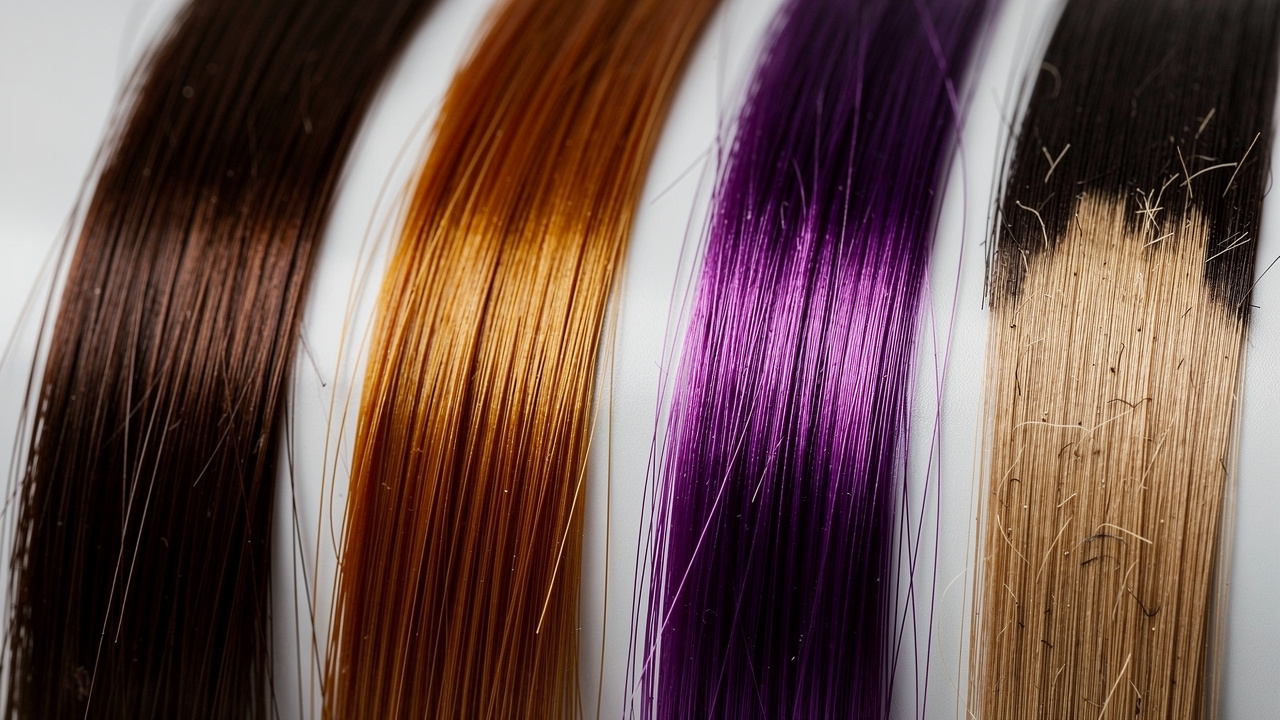
Every color service starts with one decision: which type of hair color dye will go on the head. The right choice depends on how long the client wants the shade to last, how much the natural pigment needs to change, and how comfortable they are with maintenance. In 2026 each category has cleaner formulas and more options, but the basic science stays the same.
A clear grasp of permanent, demi, semi, and temporary color also helps with scheduling and pricing. Full gray coverage with permanent hair color dye is a very different service from a pastel refresh with semi‑permanent direct dye. When the dye type matches the ticket, there are fewer surprises for both client and stylist.
| Type | Uses Developer? | Longevity (Approx.) | Best For |
|---|---|---|---|
| Permanent | Yes | 6–8 weeks (until regrowth) | Gray coverage, major shade shifts, long‑term looks |
| Demi‑Permanent | Yes (low vol.) | ~20 shampoos | Gray blending, toning, glossing, gentle refresh |
| Semi‑Permanent (Direct) | No | 4–12 shampoos | Vivids, pastels, trying new tones without commitment |
| Temporary | No | 1–2 shampoos | One‑night color, quick root cover between appointments |
Permanent Hair Color The Foundation Of Comprehensive Color Services
Permanent hair color dye works by opening the cuticle with an alkaline agent, then using hydrogen peroxide to lighten natural melanin while tiny color precursors slip into the cortex. Inside the hair these precursors link together into large color molecules that cannot easily wash back out. That is why this category is the gold standard for full gray coverage and big shade shifts.
Clients using permanent hair color dye usually return every six to eight weeks for root touch‑ups, since new growth shows a clear line where natural hair meets colored lengths. Modern formulas from brands such as Wella Colorcharm, L’Oréal, and Revlon ColorSilk include conditioning agents and, in some lines, ammonia‑free options based on MEA. These can be gentler in scent, though they still rely on oxidative chemistry and need careful application and timing.
Demi-Permanent Color The Versatile Middle Ground
Demi‑permanent hair color dye uses a low‑volume developer without ammonia. The cuticle swells only slightly, so the color mostly settles in the outer cortex and slowly washes away. It cannot lift natural pigment, but it adds rich tone and shine with very little structural change to the hair.
This makes demi‑permanent hair color dye perfect for gray blending, refreshing faded mids and ends, toning blondes, and glossing natural shades. It fades over roughly twenty or so shampoos with no sharp regrowth line, which appeals to clients nervous about hard commitment. Lines like Madison Reed ColorWonder, Wella Colorcharm Demi‑Permanent, and dpHUE Color Dream give salons flexible options for shine and tone services.
Semi-Permanent Direct Dyes Mastering Vivid And Fashion Colors
Semi‑permanent direct hair color dye skips the developer altogether. The pigments are already formed and mostly stain the outside of the hair shaft. On pre‑lightened or very porous hair they can sink a bit deeper, which is why bleaching to a pale yellow canvas is so important for bold fashion shades.
These dyes usually last four to twelve washes depending on porosity, shade depth, and aftercare. Demand for creative hair color dye is high in 2026, with brands such as Arctic Fox, Manic Panic, Good Dye Young, Lunar Tides, and Iroiro leading the way. For salons, vivid work can be a profitable niche, as long as clients are educated about frequent refresh visits and strong home care.
Temporary Color Options Quick Changes And Root Concealment
Temporary hair color dye sits only on the outer surface of the cuticle and rinses away in one or two shampoos. The pigment molecules are so large that they cannot slip inside the hair at all. This category shines for one‑night color, special events, and fast root fixes between full appointments.
Sprays, powders, chalks, and sticks all sit in this family, with products such as L’Oréal Colorista 1‑Day Spray, Color Wow Root Cover Up, and IGK NEVER MISS being popular choices. For salons, temporary hair color dye retail is an easy add‑on that keeps clients feeling polished between visits without locking them into new formulas.
The Chemistry Behind Professional Hair Coloring Oxidative Vs Direct Dyes
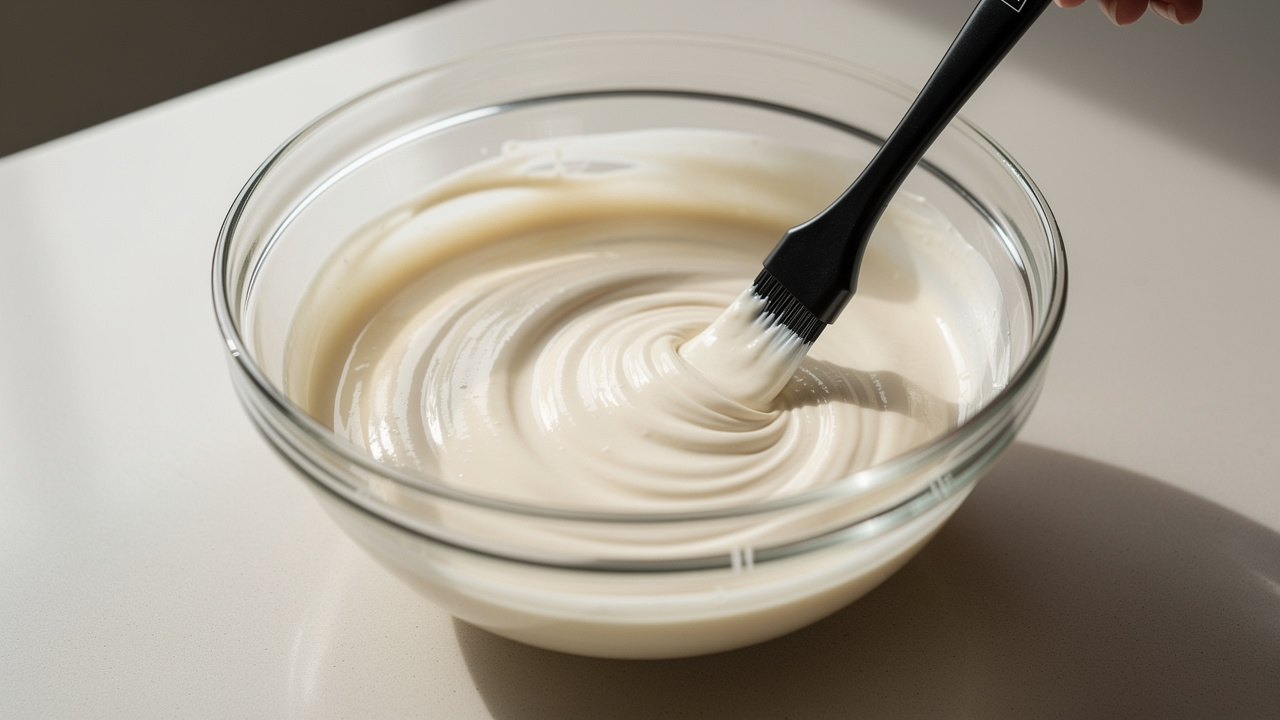
Behind every polished shade lies chemistry that either changes the inside of the hair or colors its surface. When a stylist understands how hair color dye behaves at the molecular level, it becomes much easier to predict results, avoid banding, and choose the right fix for uneven tones. It also helps explain the process to clients in a calm, confident way.
There are two big families of hair color dye chemistry: oxidative dyes that rely on developer and an alkaline pH, and direct dyes that work with pre‑formed pigments and no developer. Knowing which one is in the bowl matters for patch testing, processing time, and damage control.
“If you know what the chemicals are doing, you won’t be surprised by the outcome.” — common advice from color educators
The Oxidative Reaction Building Permanent And Demi-Permanent Color
Oxidative hair color dye starts with an alkaline ingredient that swells the hair shaft and lifts the cuticle scales. Traditional ammonia does this very efficiently but has a strong smell, while MEA offers lower odor with slightly different handling. This first step creates space for developer and tiny color precursors to move into the cortex.
Hydrogen peroxide in the developer then begins to oxidize the natural melanin, lightening the base to make room for the new shade. At the same time it reacts with color precursors like PPD or PTD, linking them into larger color molecules that get trapped inside the hair. Developer strength matters a lot: ten volume mainly deposits tone, twenty volume covers gray and lifts about one or two levels, while thirty and forty volumes are reserved for stronger lift and must be used carefully.
Because the reaction is time‑ and heat‑sensitive, many salons in 2026 rely on ionic hooded dryers and processors. When paired with the right hair color dye formula, a SalonAct processor, for example, provides even, controlled heat so oxidative color develops consistently from roots to ends without hot spots or overcooked patches.
Direct Dye Mechanism Simple Surface Adhesion
Direct hair color dye skips that whole internal reaction. Semi‑permanent and temporary products arrive with pigments already formed, so they simply attach to the outside of the hair through mild staining and attraction between the dye and the hair surface. No developer is needed and natural melanin stays untouched.
Porous, pre‑lightened hair grabs these pigments more strongly, which is why a level‑ten base makes fashion shades look bold and glassy. Temporary options stay closer to the surface and rinse out fast, while deeper semi‑permanent shades last longer but still fade with shampooing. Direct hair color dye does not lighten and causes very little structural damage, making it smart for clients who love frequent color shifts but want to keep their hair feeling soft.
Navigating Hair Color Formulations Ingredients, Formats, And Client Preferences
Choosing a tube or bottle is no longer just about level and tone. Clients ask about ammonia, PPD, vegan status, and where the product sits on the “clean” scale. At the same time, stylists have to think about cream versus liquid, gloss versus mask, and how each hair color dye format will behave during application.
A stylist who can explain why a certain formula is on the brush gains trust right away. The result is smoother consultations, better satisfaction, and easier add‑on services such as glossing or color‑refresh masks.
Key Ingredients And The Clean Beauty Movement
Most oxidative hair color dye formulas share a core group of ingredients:
- An alkalizing agent to open the cuticle
- Hydrogen peroxide developer to activate color and lighten melanin
- Dye precursors that link together to build the final shade
Ammonia does the lifting work quickly but smells strong, while MEA has a softer scent and can hang around in the hair longer if not rinsed very well.
PPD and PTD create long‑lasting color but can trigger allergies, which is why patch testing is non‑negotiable, as research shows trends in use of these compounds correlate with increased sensitivity reports. Many lines now build in keratin, ceramides, oils, and bond builders to help the hair stand up to processing. Brands like Madison Reed focus on ammonia‑free and PPD‑free permanent hair color dye, while Revlon ColorSilk highlights keratin‑infused formulas that help the hair feel smoother after service. Clients also watch for vegan, cruelty‑free, paraben‑free, sulfate‑free, and silicone‑free labels, though it is important to explain that gentler formulas may give softer gray coverage or need a bit more maintenance.
Product Formats Matching Application Method To Service Type
The physical format of hair color dye can speed up or slow down a service and can affect how precise the work looks:
- Thick creams stay put on the strand, perfect for root touch‑ups, gray coverage, and detailed sectioning.
- Liquids mix and apply quickly, which suits full‑head applications and fast toning on many heads in a day.
- Powders appear in lighteners and in temporary root concealers that dust onto the scalp line.
- Foams and mousses spread easily and work well when even distribution matters more than exact placement.
- Glosses, glazes, and color‑depositing masks refresh tone and shine between big services with minimal stress on the hair.
Organized stations and mobile trolleys from SalonAct help stylists keep every format within reach so there is no scrambling around with gloved hands dripping color across the floor.
The Professional Color Consultation Foundation Of Exceptional Results
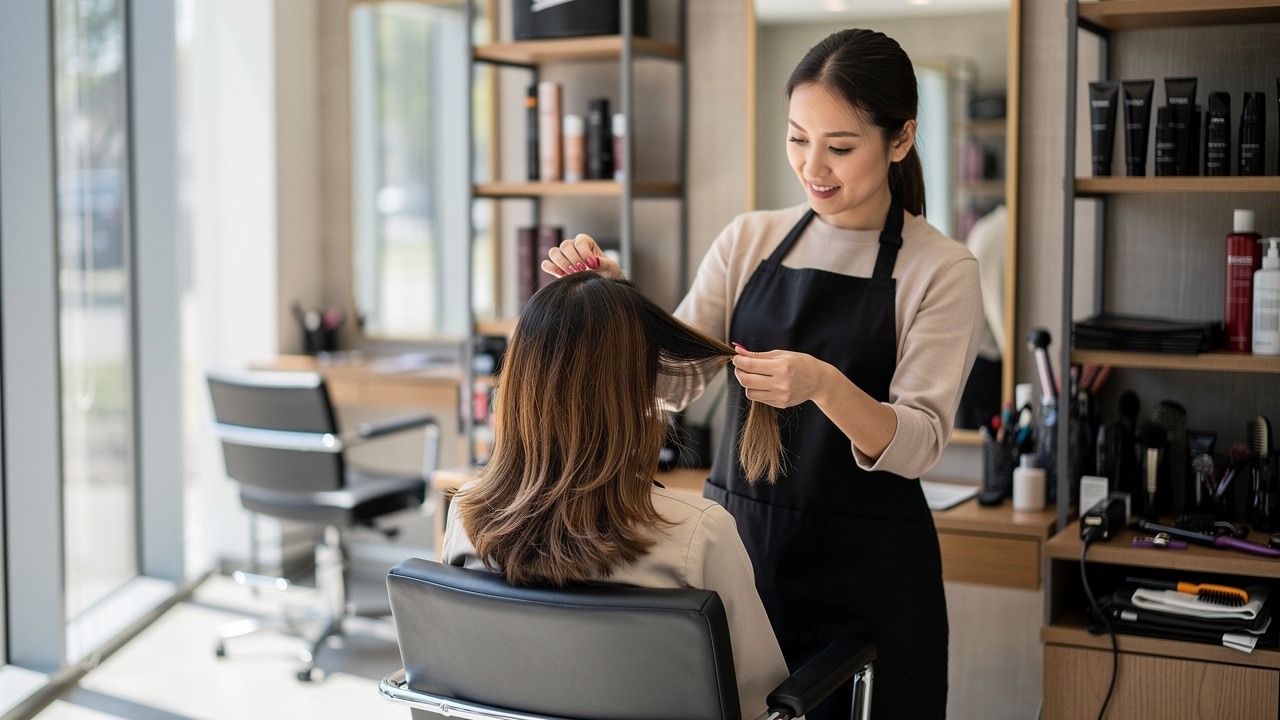
Before a single drop of hair color dye hits the bowl, a solid consultation sets the stage. This is where the stylist studies the hair, listens to the client’s wishes, uncovers hair history, and decides what is safe and realistic. Skipping steps here leads straight to banding, breakage, or disappointed faces at the mirror.
A thoughtful consultation also supports higher prices because clients can see how much planning goes into their look. Written notes and photos protect the stylist and help repeat services stay consistent over months and years.
“Consultation is where great color starts and most corrections could have been prevented.” — salon training mantra
Comprehensive Hair Analysis
A full analysis starts by looking at texture and type. Straight, wavy, curly, and coily hair all accept hair color dye differently, especially when fine or coarse strands are involved. The stylist then checks for damage, dryness, and porosity by feel and appearance, since porous hair can grab pigment too strongly and look darker than planned.
Next comes finding the natural level on the one‑to‑ten scale and judging how much gray is present, if any. That information drives the choice of dye type, shade, and developer strength. Previous color, bleach, relaxers, or perms all matter because they change how fresh hair color dye will behave. Recording formulas, timing, and before‑and‑after photos gives a professional paper trail for future visits.
Setting Realistic Expectations And Maintenance Plans
Once the hair analysis is complete, the stylist compares the client’s inspiration photos with what is possible on the current canvas. Going from black box dye to icy blonde in one day without damage is not realistic, and this is the moment to explain why. Multi‑step plans, spaced appointments, and hair health goals all enter the discussion.
Maintenance is part of that talk. A bold fashion hair color dye look may need monthly refresh visits and careful home care, while a soft demi gloss might only need attention every couple of months. Budget conversations and scheduling help avoid surprises later. Comfortable, well‑designed consultation areas with supportive SalonAct seating make these longer talks feel calm rather than rushed, which builds trust in the stylist’s plan.
Professional Application Techniques And Best Practices For Flawless Results
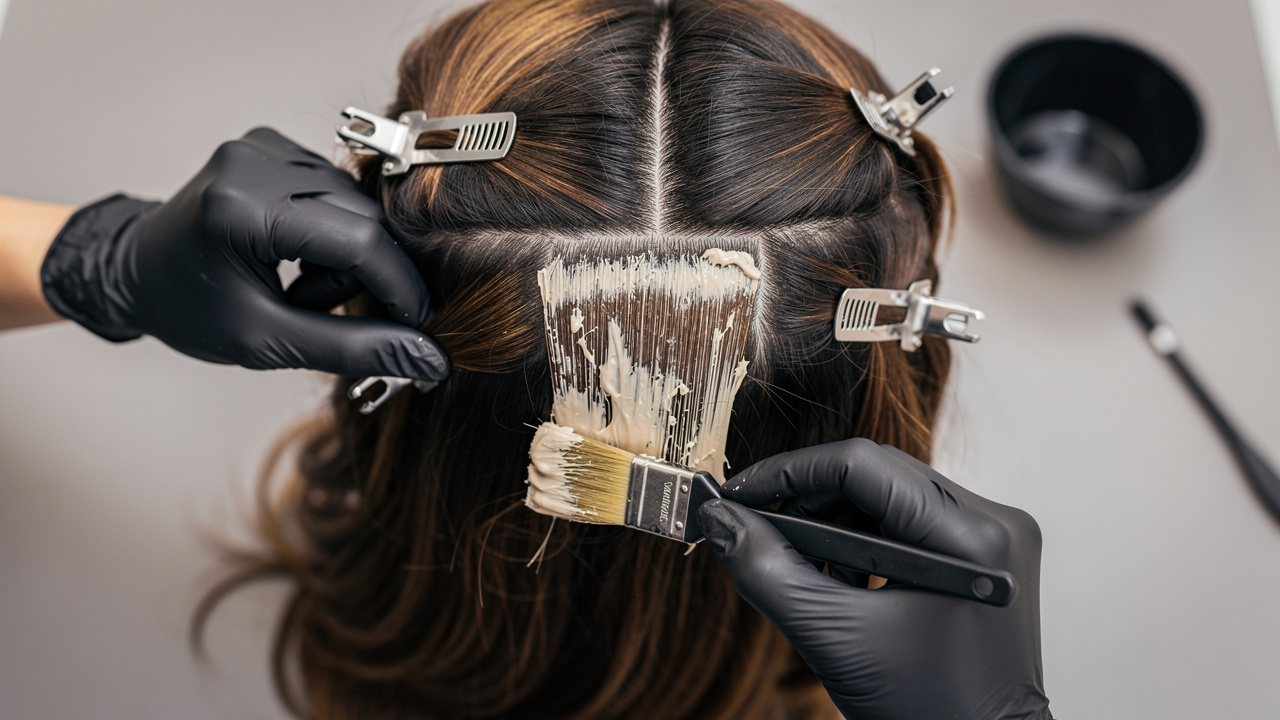
Great formulas still fail when the application is sloppy. Consistent, even hair color dye results depend on clean sectioning, the right tools, controlled timing, and respect for safety rules. When the setup is thoughtful, the stylist can move quickly without missing spots or overprocessing delicate areas.
Professional technique also protects the stylist’s body. Proper chair height, arm support, and smart station layout keep long color days from turning into back and shoulder pain.
Mandatory Safety Protocols
Before applying any oxidative hair color dye, a patch test should be done at least a day ahead using the exact formula planned for the service, especially given that a new study finds concerning links between common hair dye chemicals and adverse reactions. This checks for allergies to PPD, PTD, or other ingredients and should be noted on the client’s record. A strand test on a hidden section then shows how the hair will respond and how long the formula needs to process.
During the service, clients need proper draping, barrier cream around the hairline, and sometimes eye protection when sprays or lighteners are involved. Stylists should always wear gloves, work in well‑ventilated areas, and adjust posture rather than hunching over the chair. Skipping safety steps can cause skin reactions, staining, or injury, and can also create issues with insurance.
Professional Setup And Tool Selection
A smooth hair color dye service starts before mixing. Non‑metal bowls, application brushes, combs, clips, timers, and towels should all be set out and ready. Developers, toners, and chosen shades need to be within easy reach so the stylist does not have to leave a half‑colored head to dig through drawers.
Helpful setup steps include:
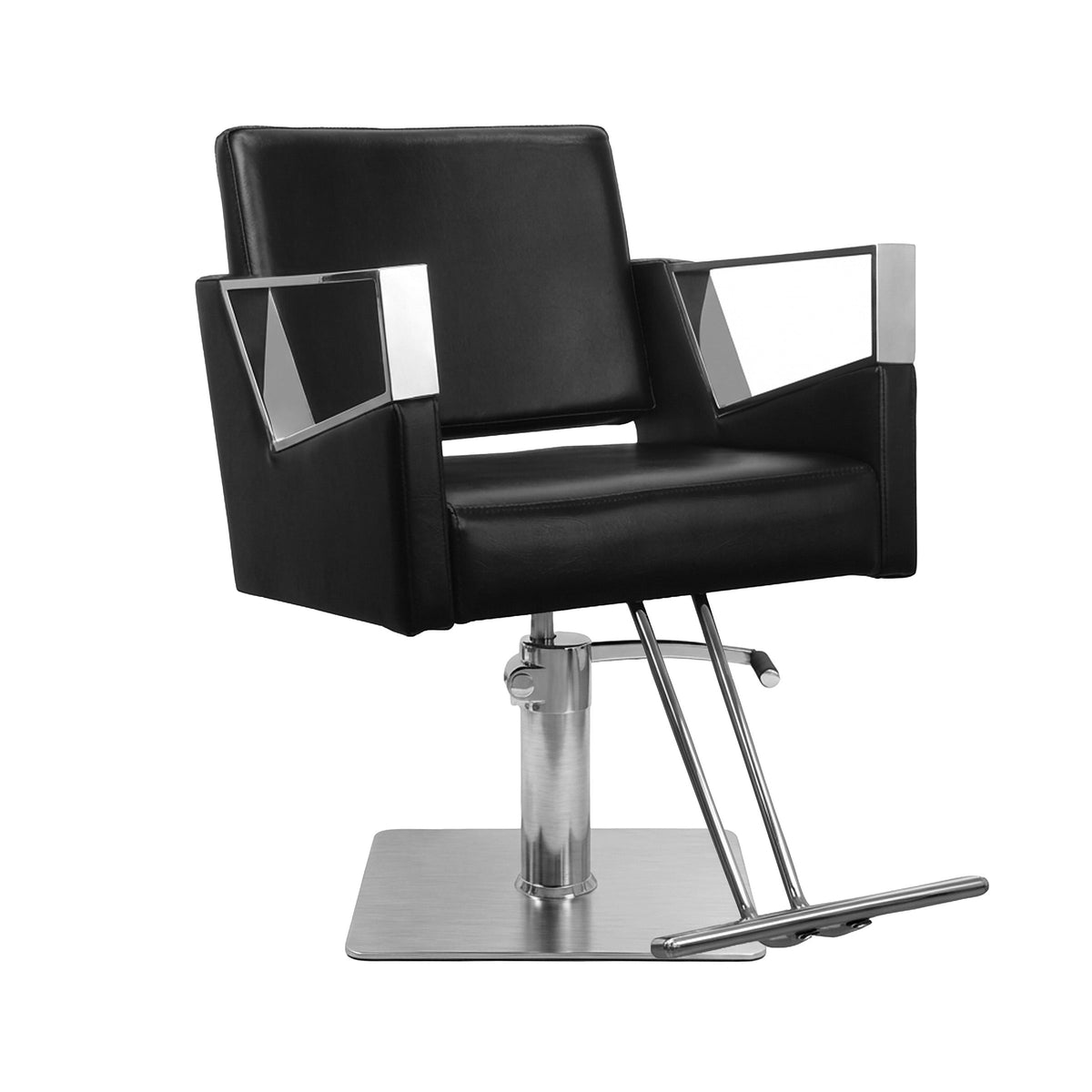
- Adjusting SalonAct hydraulic styling chairs so the stylist can work at a comfortable height
- Positioning carts on the dominant‑hand side with bowls, brushes, and foils organized
- Keeping extra gloves, towels, and capes nearby for quick swaps if needed
Clean, organized stations and heavy‑duty carts keep products sorted and off the floor, which looks professional and saves time between services.
Systematic Application Methods
Systematic application keeps hair color dye even from scalp to ends. Most pros begin with four clean quadrants, which makes it easy to track progress around the head. For root touch‑ups, color usually goes on the regrowth first, since that virgin hair needs the longest processing time, with a quick refresh pulled through mids and ends only if needed.
On virgin hair going lighter, stylists often apply mid‑lengths and ends first, leaving the warm scalp area for last so everything finishes together. Full saturation is key. Thin sections and enough product prevent hollow spots and patchiness. Timers should be started when the first section is complete and checked regularly for visual cues, especially with lighteners and semi‑permanent fashion shades. Most permanent and demi hair color dye goes on dry, unwashed hair, while direct dyes prefer clean, towel‑dried strands, so reading instructions for each brand is important.
Lightening And Toning Mastering The Canvas And Finishing Touch
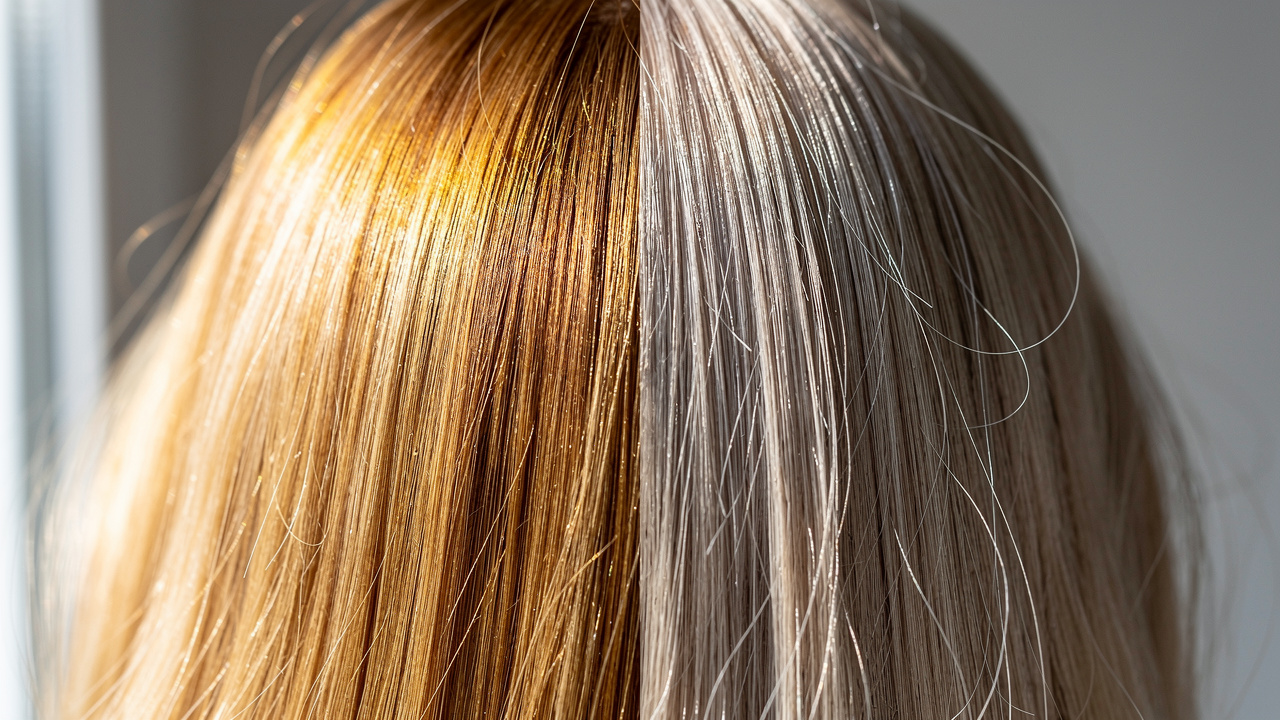
Blondes, pastels, and high‑impact vivids all depend on one step: lightening. A clean lift sets the stage for any hair color dye that follows. Toning then polishes that canvas, correcting unwanted warmth or adding refined reflection that separates salon work from the results of a basic box kit.
Because both lightening and toning push hair closer to its limits, they demand patience, product knowledge, and thorough monitoring.
The Science And Art Of Hair Lightening
Lightening powders contain persulfate salts and an alkalizing agent that, when mixed with developer, begin to attack melanin in the cortex. As the melanin breaks down, the hair passes through red, orange, and yellow stages before reaching pale yellow. Developer choice matters a lot here: twenty volume is common for steady lift with less stress, thirty volume lifts faster but should be limited on fragile hair, and forty volume belongs in the hands of very cautious, experienced colorists.
Lightening services range from full global blonding to balayage and foiling that only brighten certain sections. Products such as Arctic Fox Bleach Please, Wella Colorcharm Powder Lightener, and Good Dye Young Hair Lightening Kit give pros many options. Throughout the service, strand tests and visual checks are vital so the hair does not overprocess and turn mushy. Bond builders and gentle heat from a controlled SalonAct ionic dryer can help the process along without the harsh hot‑spot effect of random heat sources.
Professional Toning Techniques
After rinsing lightener, most blondes and fashion shades need toner. Toning hair color dye works like a color filter, correcting leftover warmth by using the opposite tone on the color wheel. Violet‑based options cool down yellow for icy blondes, while blue‑based ones tackle orange in darker blondes and light brunettes. Green‑based toners quiet down red undertones.
Demi‑permanent toners such as Wella Colorcharm T18, T14, T28, or Madison Reed toners are standard for this step and are usually mixed with ten or twenty volume developer. Processing times are shorter than full permanent services and should be watched closely so the hair does not swing too gray or dull. Many salons treat toning as a required finishing step with any lightening service, which both protects the work and boosts service revenue.
The Complete Spectrum From Natural Tones To Vivid Fashion Colors
Colorists in 2026 work with an enormous palette, from soft natural blacks and browns to neon rainbows. Understanding these families helps match the right hair color dye and placement to the client’s skin tone, personality, and lifestyle. It also guides which looks will be low maintenance and which will demand regular visits.
When a stylist speaks comfortably about shade families, undertones, and trends, consultations feel more like collaboration than guessing games.
Natural Shade Families Black, Brunette, Blonde, Red
Natural‑looking hair color dye sits mostly in four big groups:
- Black: from softer natural black that looks like very dark brown in the sun to cool blue‑black that reads dramatic and high‑contrast.
- Brunette: stretches from cool ash browns that cancel warmth, through golden and chestnut browns full of caramel glow, to mahogany shades with red or violet depth.
- Blonde: moves from darker honey tones up to champagne, strawberry, and very pale platinum or silver, which require strong pre‑lightening and thorough toning.
- Red: covers everything from soft copper and auburn brown to bright cherry shades and deep burgundy.
Matching these hair color dye options to a client’s skin undertone and eye color creates flattering results that feel intentional rather than random.
Vivid And Fashion Colors Creative Expression
Vivid and fashion shades are now standard menu items, thanks in part to social media. Pinks, blues, purples, greens, oranges, and yellows all appear, often blended together in sunset melts, galaxy patterns, and bold panels. Most of this work uses semi‑permanent direct hair color dye applied over very lightened hair so the shade shows at full strength.
Brands like Arctic Fox, Manic Panic, Good Dye Young, and Lunar Tides offer wide shade ranges and marketing that clients recognize. These colors fade more quickly than natural tones, so clients need honest talks about how often they must return for refreshes or use color‑depositing conditioners at home.
Client Education And Color Maintenance Protecting Your Professional Work
The life of a color result depends less on what happens in the salon and more on what happens in the shower and with hot tools at home. If clients treat fresh hair color dye roughly, it will fade, dull, or go brassy long before the next visit. When stylists take time to teach simple care rules, their work looks better for longer and clients are happier.
Maintenance talks also open the door to retail sales that genuinely help hair while supporting salon revenue.
The Science Of Color Fading What Clients Must Understand
Color fading starts every time hair gets wet. Water swells the cuticle slightly, which lets some hair color dye molecules escape with each wash. Strong sulfate shampoos act like heavy degreasers, stripping those molecules out even faster, especially when labeled as clarifying or anti‑dandruff.
High heat from flat irons, curling wands, and blow dryers roughs up the cuticle and breaks down pigment bonds, turning shiny color flat. Sunlight adds its own bleaching effect, particularly on reds and delicate pastels. Chlorine, hard‑water minerals, and urban pollution all add up over time, leaving hair dull or oddly toned unless steps are taken to protect it.
The Professional At-Home Care Protocol
A simple at‑home plan keeps hair color dye looking salon‑fresh longer:
- Wait to wash. After any salon color service, wait 48–72 hours before the first shampoo so the cuticle can settle.
- Switch products. Use sulfate‑free, color‑safe shampoo and conditioner suited to the client’s hair type and shade.
- Wash less often. Aim for two or three washes per week. On off days, use a quality dry shampoo to handle oil at the roots.
- Add weekly treatments. Use color‑depositing conditioners or masks, such as Keracolor Color Plus Clenditioner or dpHUE options, to keep vivid colors and cool blondes looking fresh.
- Control water and heat. Rinse with lukewarm water, apply heat protectant before hot tools, and limit passes with irons and wands.
- Guard against sun and pool. Wear hats in strong sun, use UV‑protective hair products, and rinse hair with fresh water before and after swimming.
Before leaving the salon, clients should have their next root touch‑up or glossing session booked for six to eight weeks out so their color never looks tired.
Leading Hair Color Brands Professional Recommendations For 2026
Product lines come and go, but certain brands have earned trust through consistent results. Knowing where each one shines helps with ordering, brand pairing, and client education. Some brands handle the heavy lifting of permanent hair color dye, while others specialize in vivid shades or maintenance products that keep tone and shine in good shape.
Combining the right brands with solid technique gives a salon a strong foundation for reliable color services.
Professional And Salon-Quality Brands
Wella remains a core brand for many professionals, especially its Colorcharm line with permanent liquids and creams, demi shades, and toners like T18. L’Oréal spans professional salon products and consumer lines, offering everything from high‑lift hair color dye to quick root touch‑ups. Madison Reed focuses on cleaner formulas with options that avoid ammonia, PPD, and parabens, serving both salons and at‑home users.
IGK brings a fashion‑forward edge with permanent color kits and support items such as color‑depositing masks and root sprays. Clairol stays a steady pick for clients who want simple at‑home maintenance that works alongside professional work. Revlon ColorSilk offers keratin‑infused, budget‑friendly hair color dye that some salons keep as a backup or for lower‑cost tiers.
Vivid And Fashion Color Specialists
For semi‑permanent fashion hair color dye, a few names dominate. Manic Panic has held a punk‑rock reputation for decades. Arctic Fox combines bold pigment with vegan, cruelty‑free formulas and a strong animal‑welfare message. Good Dye Young leans into music and pop‑culture style with rich shades and matching DYEposit masks.
Lunar Tides stands out for moody, velvety pigments, while Iroiro gains fans with coconut‑oil‑based formulas and eco‑friendly pouch packaging. These brands help salons tap into creative markets with clients who love selfie‑ready vivid hair.
Maintenance And Specialty Product Innovators
Some brands focus mainly on keeping hair color dye looking fresh between big appointments. dpHUE is known for its Gloss+ range, root touch‑up options, and gentle ACV rinses. Keracolor built its name on Color Plus Clenditioner, which cleans and deposits tone at the same time. Color Wow’s Root Cover Up powders have become a go‑to for precise, water‑resistant root coverage that clients can handle at home.
The SalonAct Advantage Infrastructure That Improves Hair Color Services
Behind every advanced hair color dye service is a physical setup that either helps or gets in the way. Wobbly chairs, stained basins, and cramped stations might not change the pigment in the bowl, but they absolutely change how smoothly a service runs and how clients feel about it. That is where SalonAct comes in.
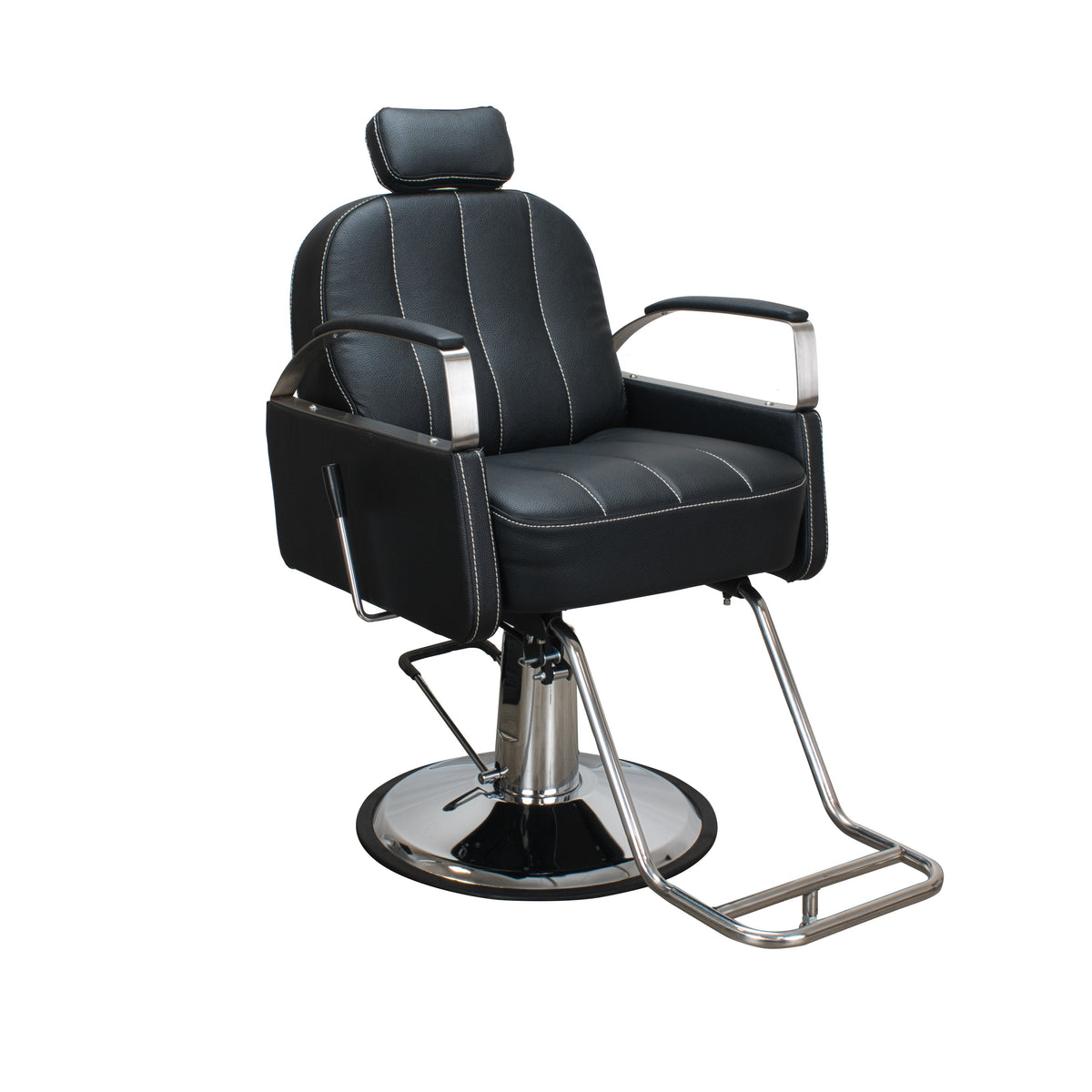
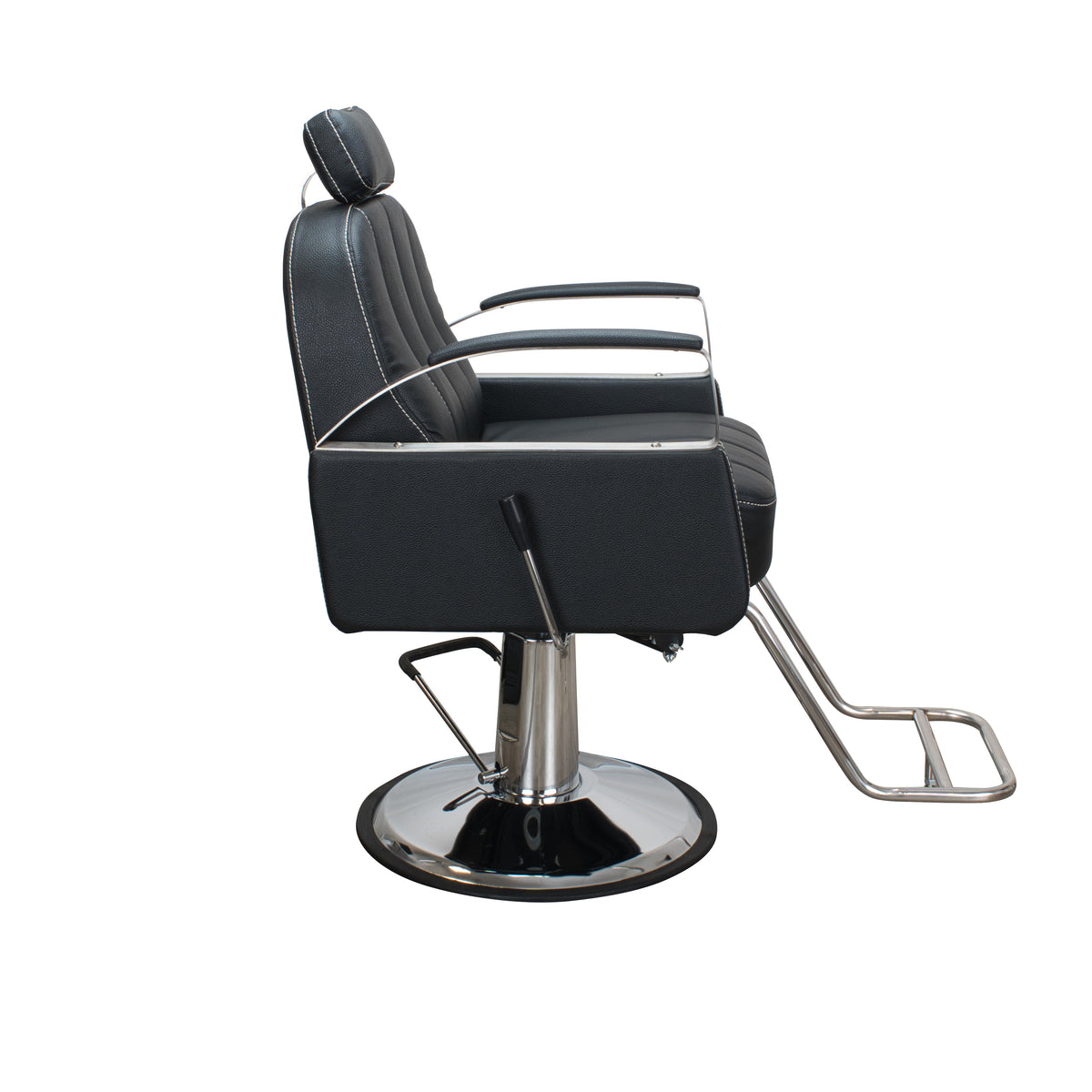
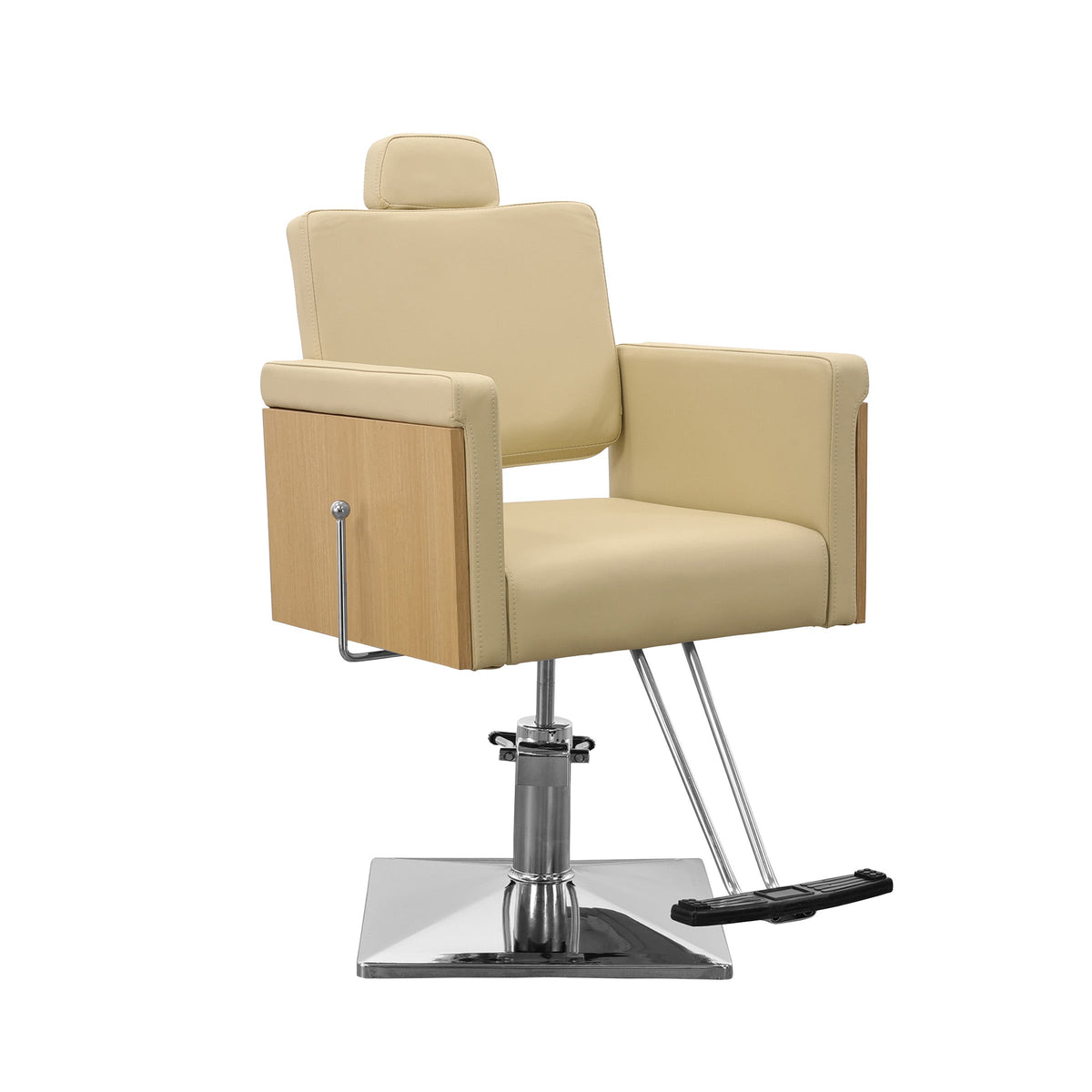
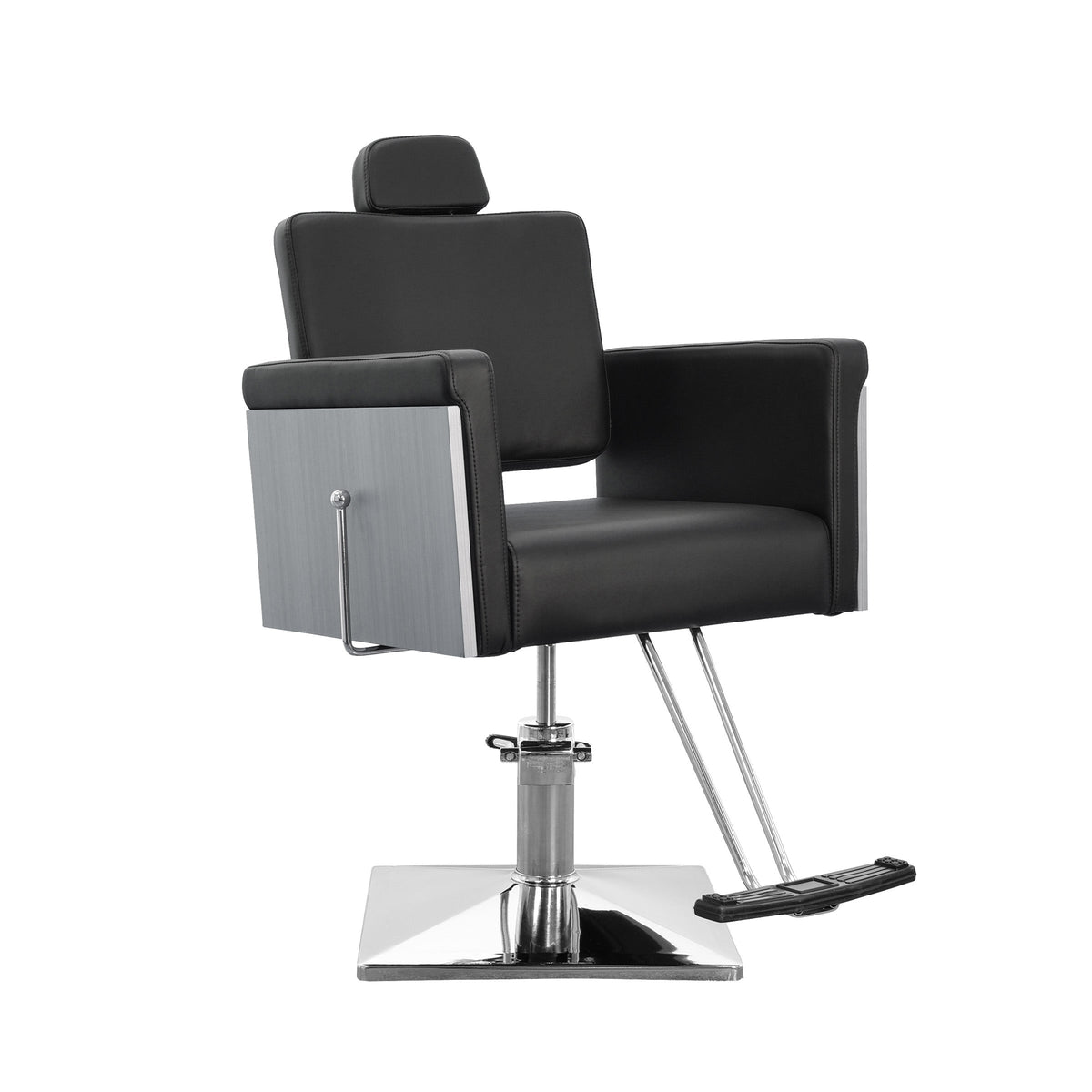
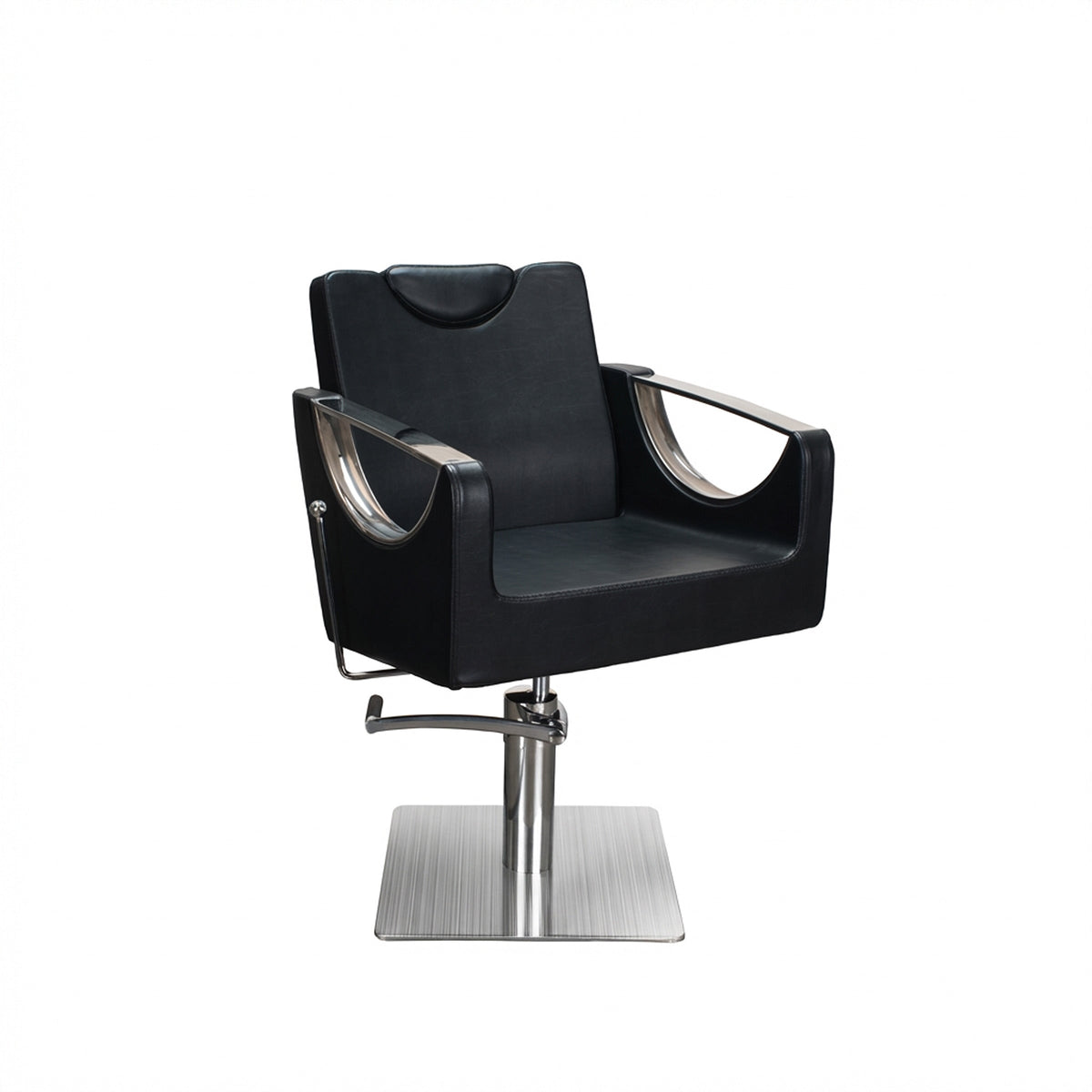
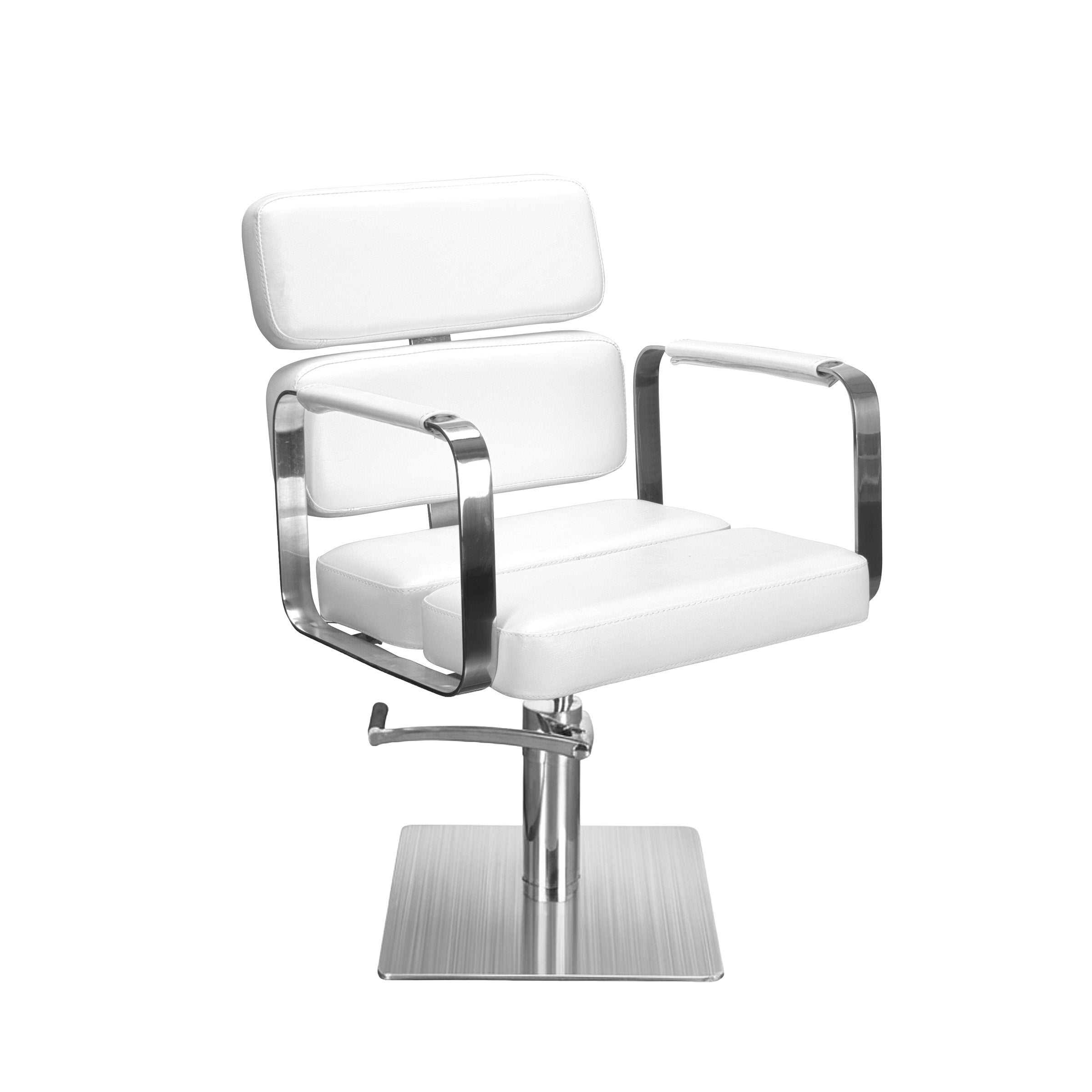
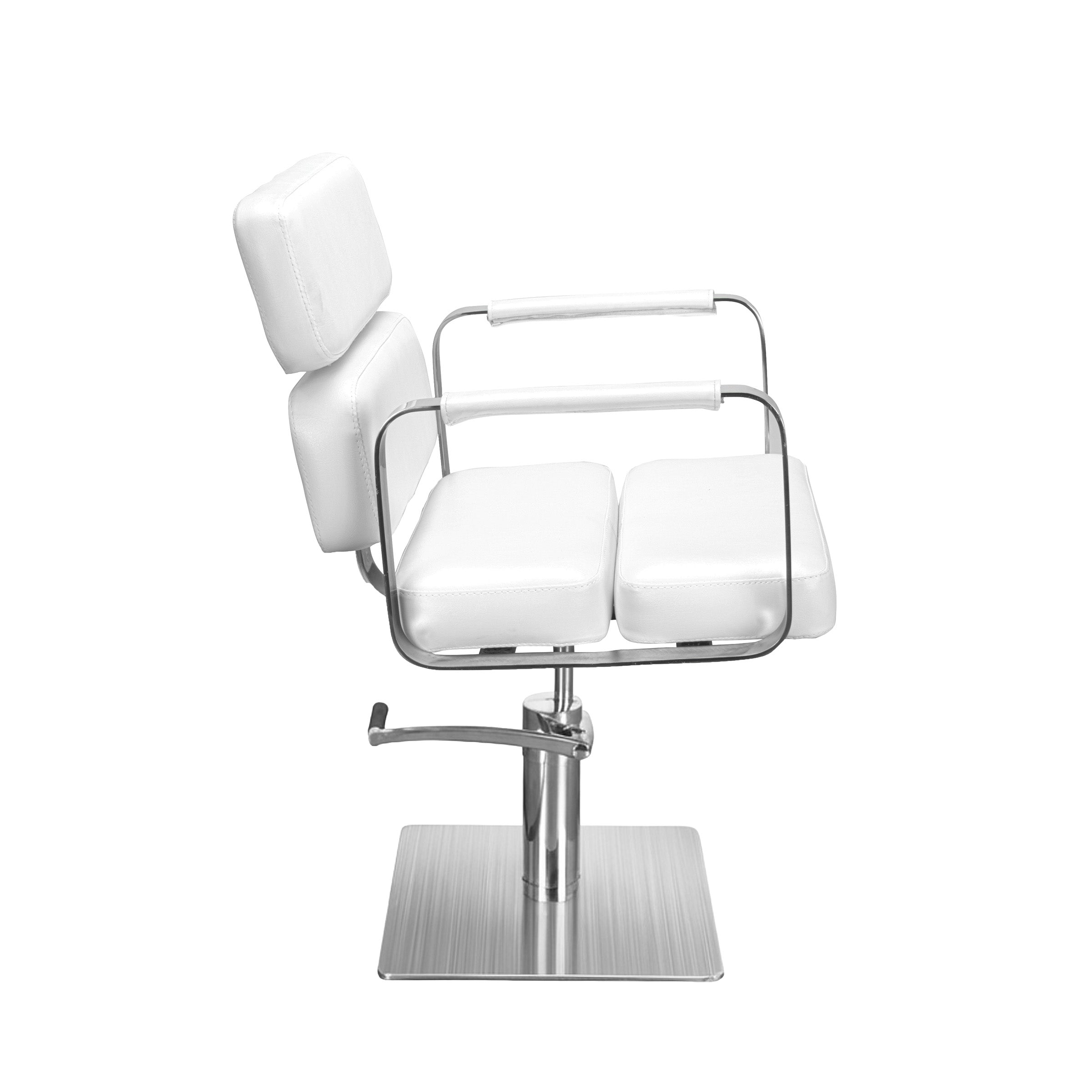
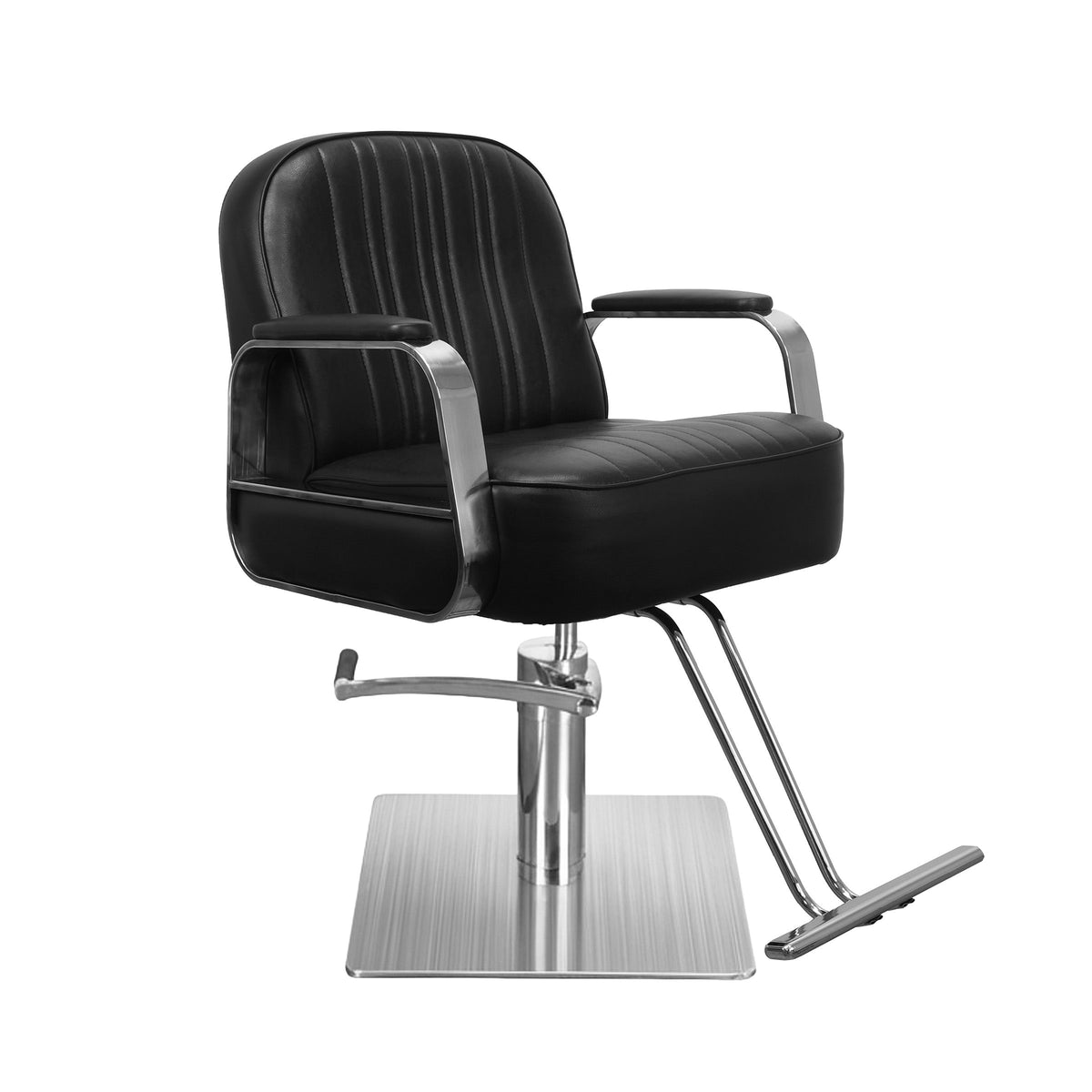
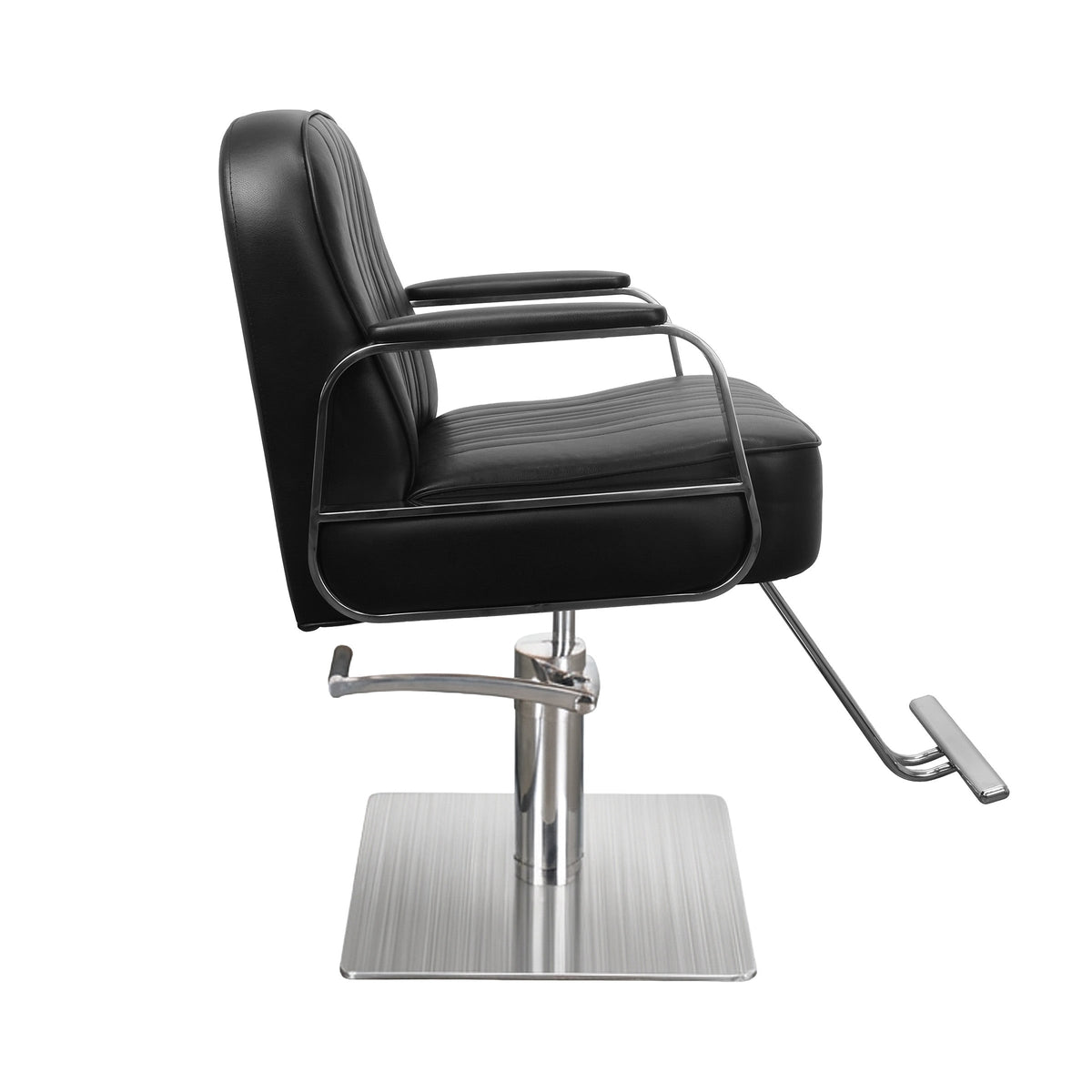
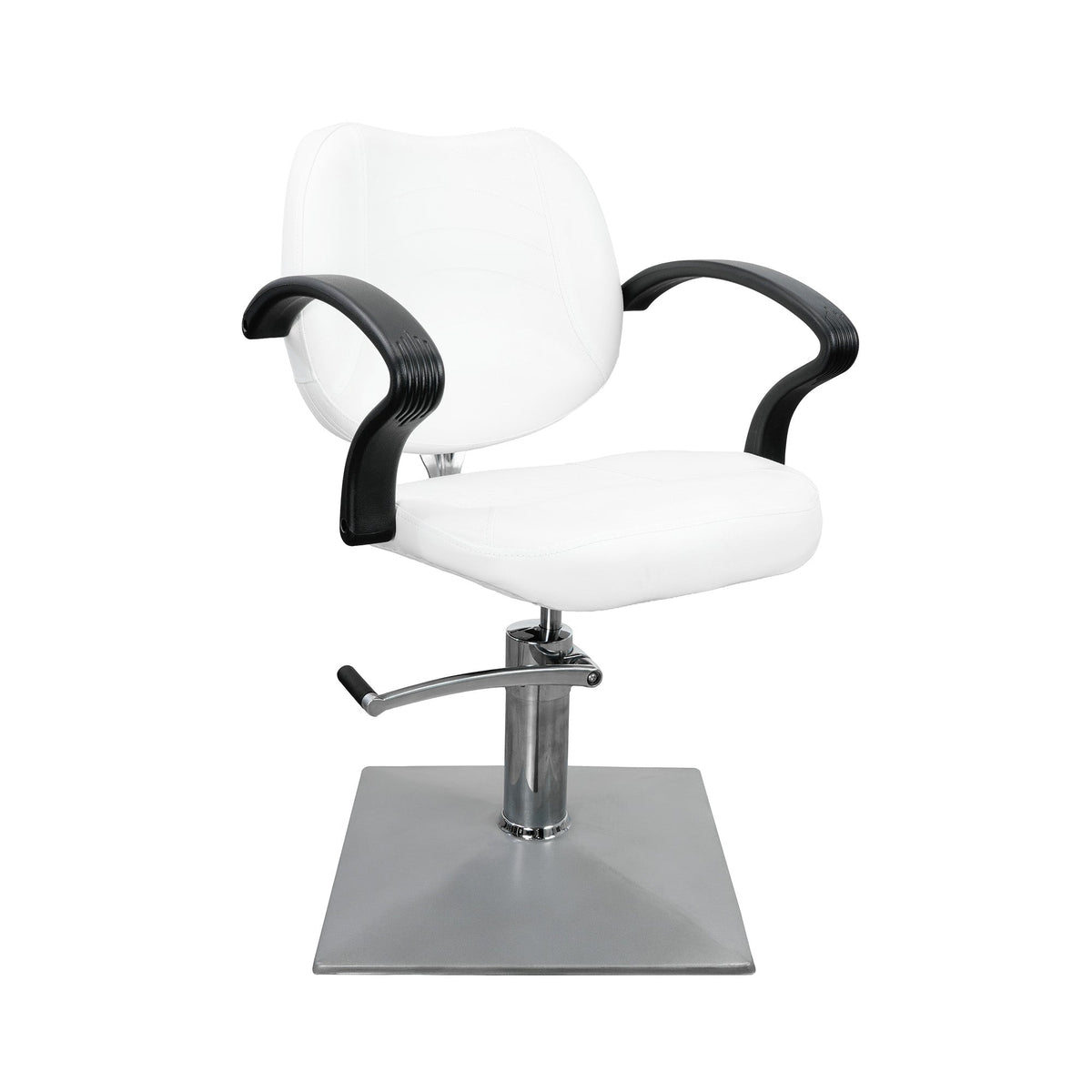
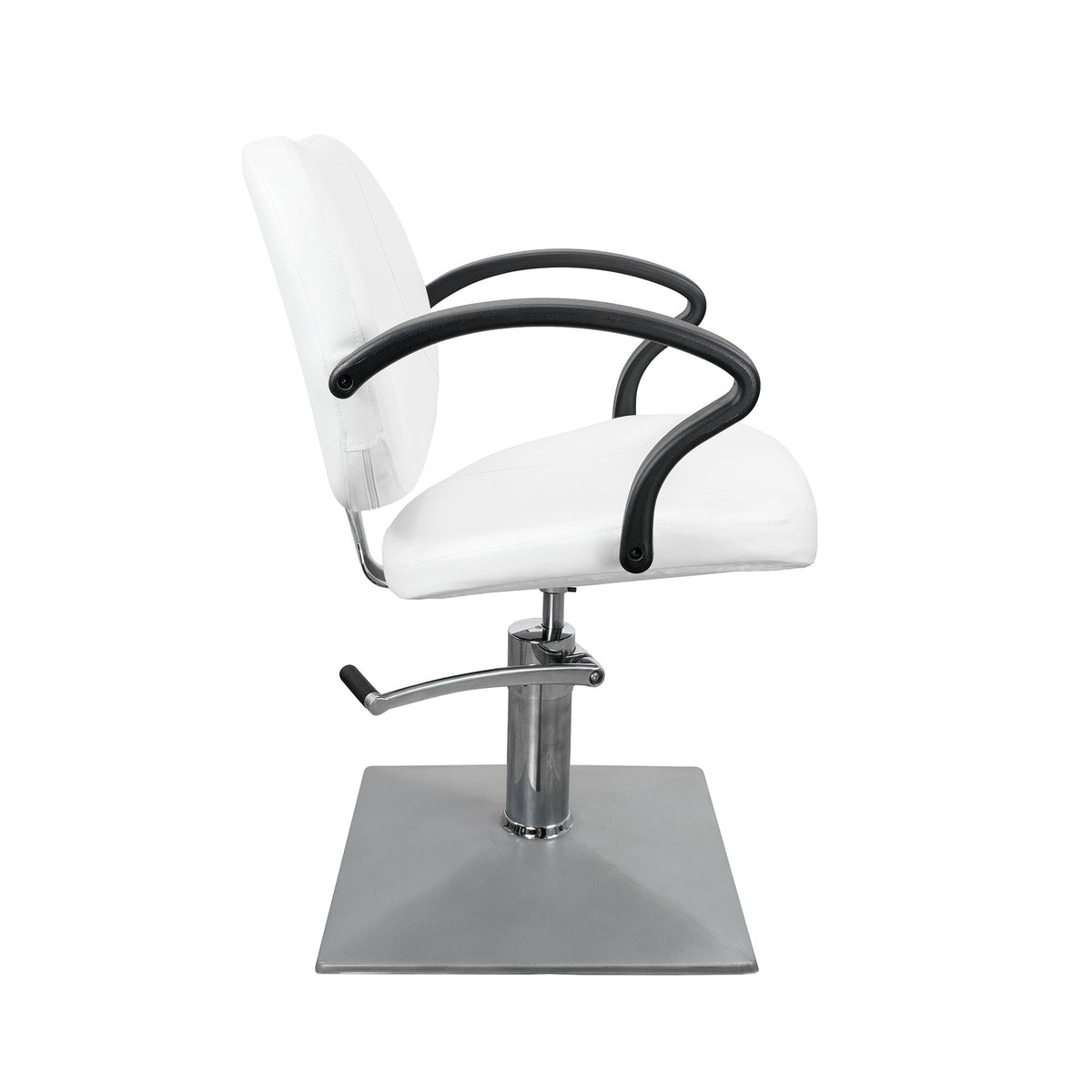
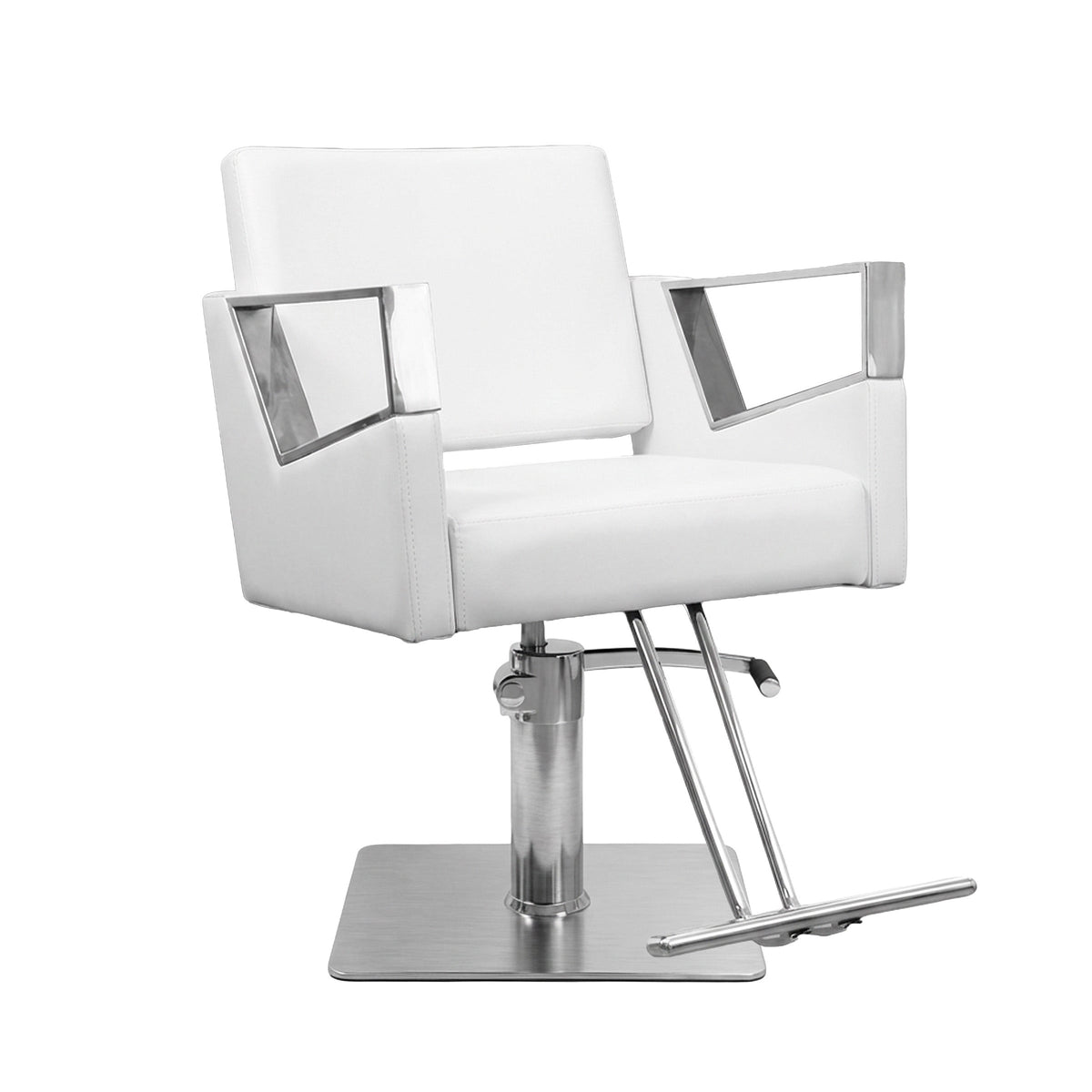
SalonAct styling chairs are designed for clients who spend two to four hours while foils, balayage, glazes, and vivid hair color dye all come together. Hydraulic lifts and fully reclining backs let stylists adjust height and angle so their shoulders and backs stay more comfortable, even during long correction sessions. Clients relax instead of fidgeting, which makes detailed application much easier.
Ionic hooded dryers and processors from SalonAct support even color development by providing steady, controlled warmth instead of random hot blasts. Professional shampoo units with proper neck and back support turn pre‑color clarifying washes and long post‑lightening rinses into a relaxing part of the service rather than a strain on the spine. Heavy‑duty carts, organized stations, and mobile trolleys keep hair color dye, developers, bowls, and tools exactly where stylists need them, while chemical‑resistant upholstery and finishes handle spills without staining. With U.S.‑based fulfillment, customization options to match salon branding, and long service life, SalonAct furniture functions as a long‑term business asset rather than short‑term decor.
Conclusion
Hair color dye work in 2026 is more precise, ingredient‑aware, and client‑centered than ever before. Permanent, demi, semi, and temporary products each have a clear role, from gray coverage and subtle glosses to pastel overlays and one‑night color shifts. A stylist who understands these options can build color plans that look polished and wear well in real life.
Chemistry knowledge, from oxidative reactions to direct dye behavior, takes the guesswork out of formulation and correction. Careful consultations, clean sectioning, smart lightening, and targeted toning give results that box hair color dye simply cannot match. Client education about fading, washing, heat, and UV exposure then protects that work until the next appointment.
Salon infrastructure ties the whole system together. Ergonomic, chemical‑resistant furniture and processors from SalonAct support the stylist’s body, keep clients relaxed, and help hair color dye process evenly for consistent results. For any salon or barbershop owner planning the next step in color services, now is a smart time to review furniture, tools, and protocols. Small upgrades to equipment, products, and training can raise service quality, support higher pricing, and keep both staff and clients happier as trends and techniques continue to move forward.
FAQs
Question 1: What Is The Difference Between 10, 20, 30, And 40 Volume Developer, And When Should I Use Each?
Developer volume describes the strength of hydrogen peroxide in a hair color dye mix and how much it can lighten natural pigment:
- 10 volume: gentle, mainly deposits tone; ideal for demi‑permanent colors and toners.
- 20 volume: the everyday workhorse; covers gray and lifts one or two levels in most permanent services.
- 30 volume: gives two or three levels of lift and can help with stronger lightening on healthy hair.
- 40 volume: offers the most lift but also the most risk, so it should be reserved for specific cases and watched very closely.
Always follow manufacturer directions and consider hair condition before deciding.
Question 2: How Can I Prevent Color From Fading Too Quickly On My Client’s Hair?
Fading control starts in the chair. Make sure hair color dye is mixed correctly, fully saturates each section, and processes for the full recommended time before rinsing well. Then explain to clients how frequent washing, sulfate shampoos, high heat, and sun all break down pigment.
Recommend sulfate‑free, color‑safe shampoo and conditioner plus weekly color‑depositing masks for vivid shades and cool blondes. Suggest washing only two or three times per week and adding dry shampoo on off days. Heat protectant spray before styling and lukewarm water in the shower will also help keep color fresh. Regular glossing or toner appointments every four to six weeks finish the plan.
Question 3: Why Do I Need To Perform A Patch Test Before Every Color Service?
Patch tests protect both client and stylist. Some people can develop allergies to hair color dye ingredients such as PPD or PTD even after years of trouble‑free coloring. A small dab of mixed formula on the skin a day or two before the appointment can reveal redness, itching, or swelling before a full head is exposed.
Following this practice matches most manufacturer and insurance guidelines and shows that safety is taken seriously. Keeping records of patch tests and results also provides a helpful paper trail if any reaction ever occurs.
Question 4: What Is The Best Way To Tone Brassy Blonde Hair After Lightening?
The first step is to identify whether the brassiness leans more yellow or more orange. Yellow blonde usually needs a violet‑based hair color dye toner, while stronger orange tones need more blue. Hair must be lifted to at least a pale yellow for icy or ash blondes, or the toner will not have enough room to work.
Demi‑permanent toners such as Wella T18 for very pale blondes or T14 for slightly warmer bases are common choices, mixed with ten or twenty volume developer. Apply to towel‑dried hair, watch development closely, and rinse as soon as the unwanted warmth is neutralized. For upkeep, suggest purple shampoo or conditioner at home.
Question 5: How Long Should Clients Wait Between Permanent Color Services To Avoid Excessive Damage?
For most clients, six to eight weeks between permanent hair color dye appointments is a safe rhythm when only the new growth is treated each time. Applying strong oxidative color over the same lengths too often can cause dryness and breakage, so mids and ends should only be refreshed when they truly look faded.
Clients with fragile or heavily lightened hair may need more time between full applications plus regular deep conditioning and bond‑building treatments. Demi‑permanent glosses offer a gentle way to refresh tone between big services without adding more permanent dye to already colored sections. Professional judgment based on each head of hair always matters more than rigid calendars.