Sales Promotions for Barbers & Stylists: Safe Strategies
Which Promotions Are Safe to Run as a Barber or Stylist
Introduction
Picture this: a barber runs big sales promotions for the first time—half‑off cuts, deep color discounts, the works. The phone explodes, chairs stay full, the register looks great… until the next month, when those same clients vanish as soon as prices return to normal.
That is the dark side of Sales Promotions. The wrong offer pulls in bargain hunters who never pay full price, squeezes profit on your busiest days, and trains loyal clients to wait for the next deal. The right offer brings in new guests, keeps regulars happy, and does it without trashing your prices or your peace of mind.
Here, safe promotions means Sales Promotions that raise revenue without wrecking three things that matter most: brand image, profit margins, and the type of clients who sit in your chairs. Safety depends less on how flashy a deal looks and more on its structure, timing, and how well your shop runs behind the scenes.
Keep reading to learn a simple way to judge any promotion before you post it, the traps that hurt barbershops and salons again and again, and a list of safer promotion styles you can plug into your calendar. You will also see how strong operations and reliable gear from brands like SalonAct can turn one‑time promo visitors into long‑term, full‑price clients.
Key Takeaways
-
Safe promotions protect your prices and your name, bringing in people who respect your work.
-
Deep, constant discounts teach clients to see you as cheap instead of skilled and to wait for the next deal.
-
Value‑added offers (free add‑ons, bundles) usually beat price cuts. Clients feel spoiled while your profit still looks healthy.
-
Clear dates, rules, and limits protect your schedule and staff and keep every promo feeling special.
-
Strong chairs, shampoo units, and stations matter most during Sales Promotions; extra volume exposes weak spots fast.
-
Track profit, not just sales. A packed promo week that pays less than a normal week is not a win.
What Makes a Promotion "Safe" for Your Salon or Barbershop?
Safe does not mean risk‑free. Every Sales Promotion plays with price, demand, and client behavior, and research confirms that sales promotion serves as a determining factor in a company's competitive position within the marketplace. A safe promotion protects three assets that are hard to rebuild once damaged: your brand perception, your profit per visit, and the quality of client you attract.
Think of safe promotions as sitting on four pillars. The first is brand protection: the offer should match the quality you claim. A free gloss with a premium color service feels classy; half‑off everything, every week, feels cheap and frantic. The second pillar is margin health. After labor, product, overhead, and fees, the deal still has to leave money in the business.
The third pillar is clear parameters. Safe Sales Promotions have firm dates, spell out who can use them, which services they cover, and how many times one person can redeem them. Loose rules or no end date invite abuse and confusion. The fourth pillar is strategy. The offer must serve a real goal—filling midweek gaps, launching a new service, or warming up lapsed clients—not just “things feel slow so let’s slash prices.”
"Discounts should reward the right clients, not rewrite your price list."
— common salon business advice
Compare two offers. “Twenty percent off all services every Friday” teaches clients to book only on Fridays and makes your normal prices look inflated. “First‑Time Client Special: complimentary deep conditioning with your first cut” keeps your menu rates steady while aiming at growth. One erodes your base; the other builds it.
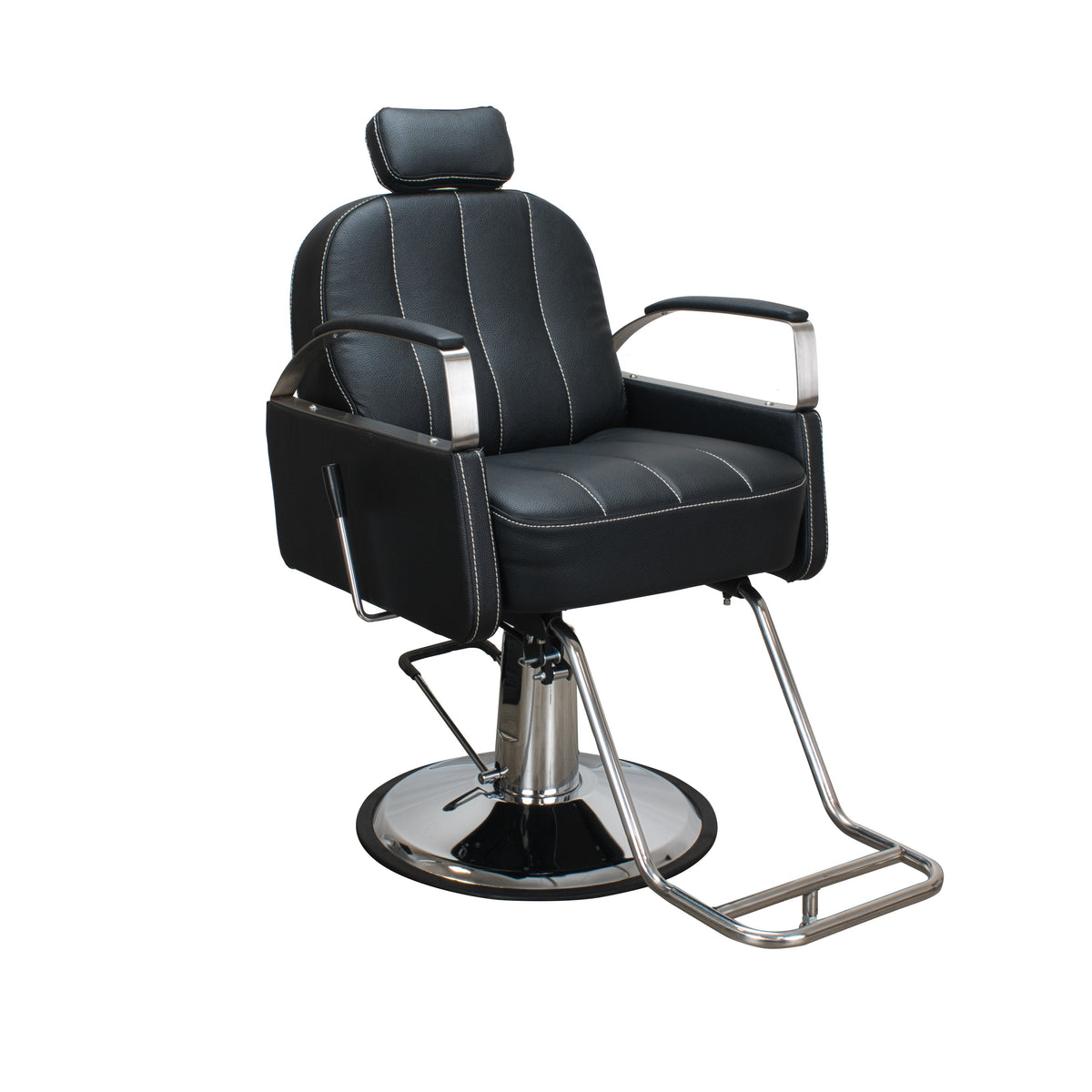
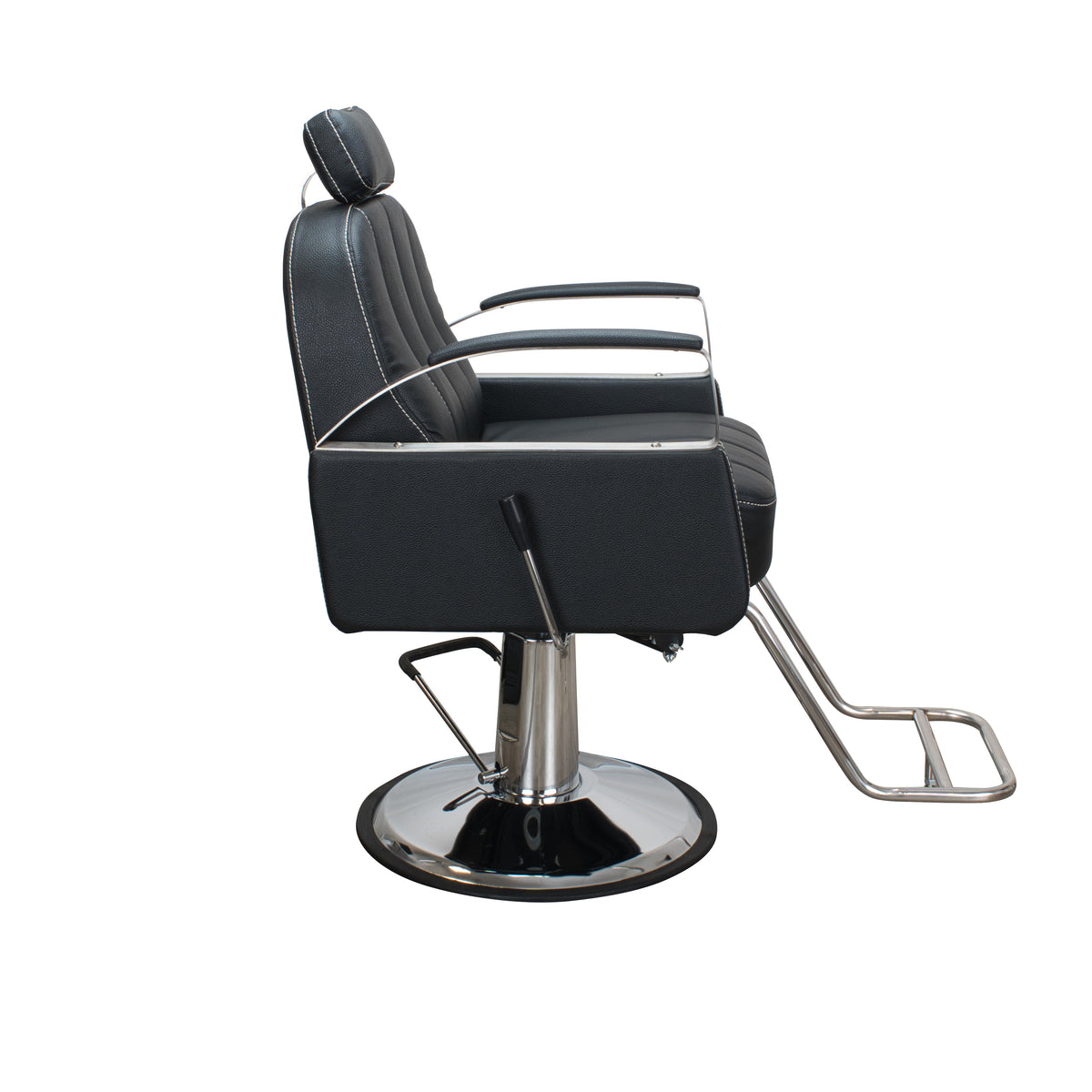
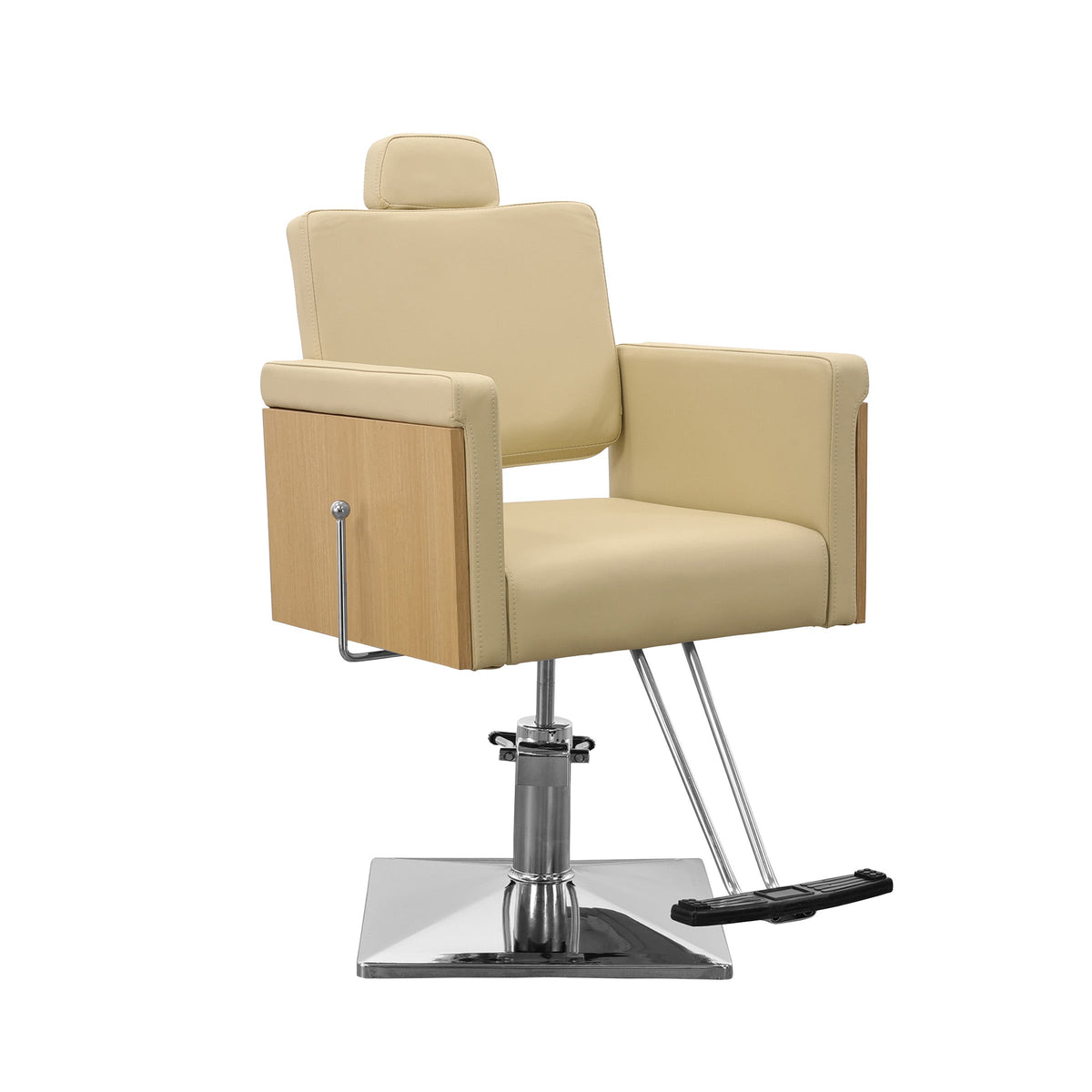
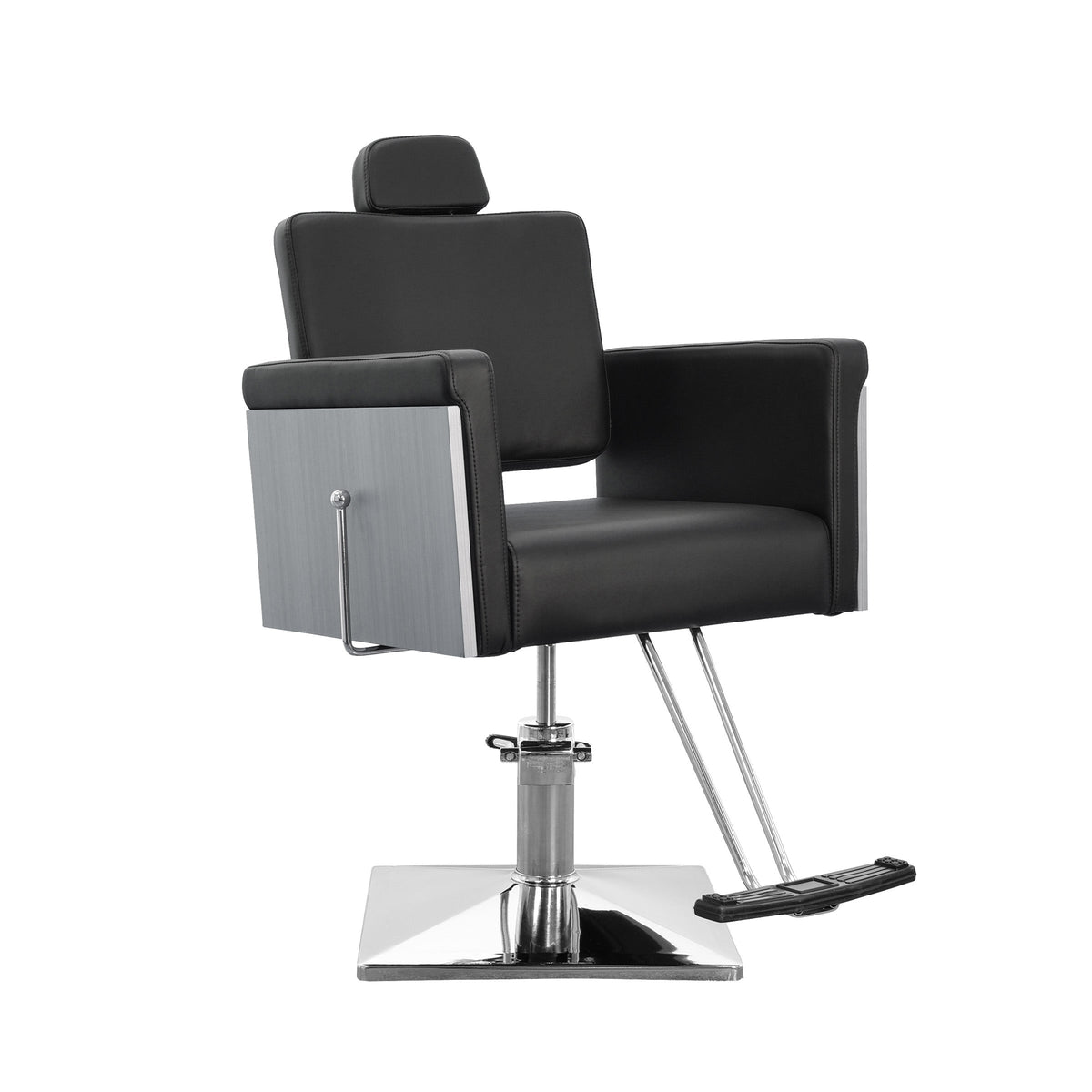
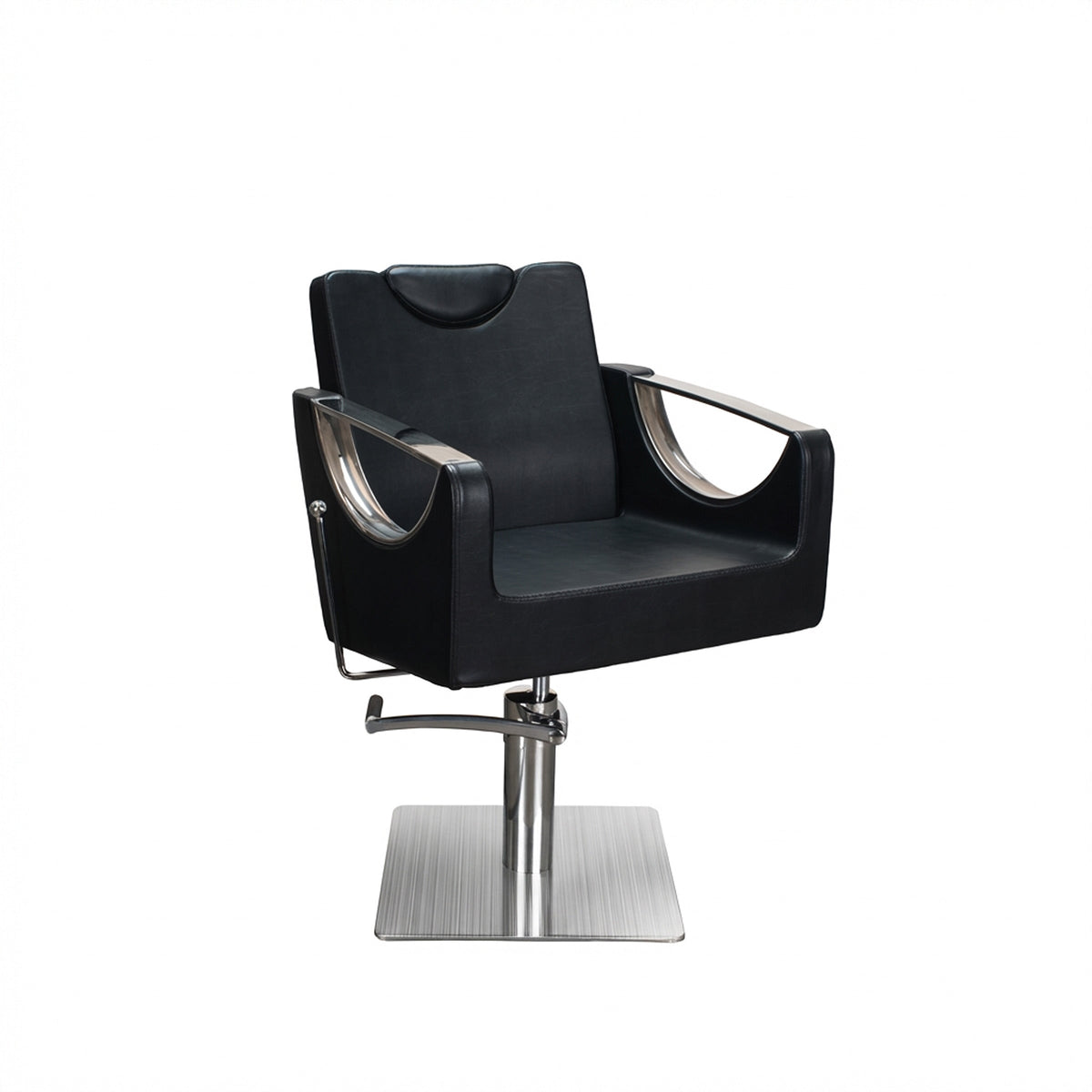
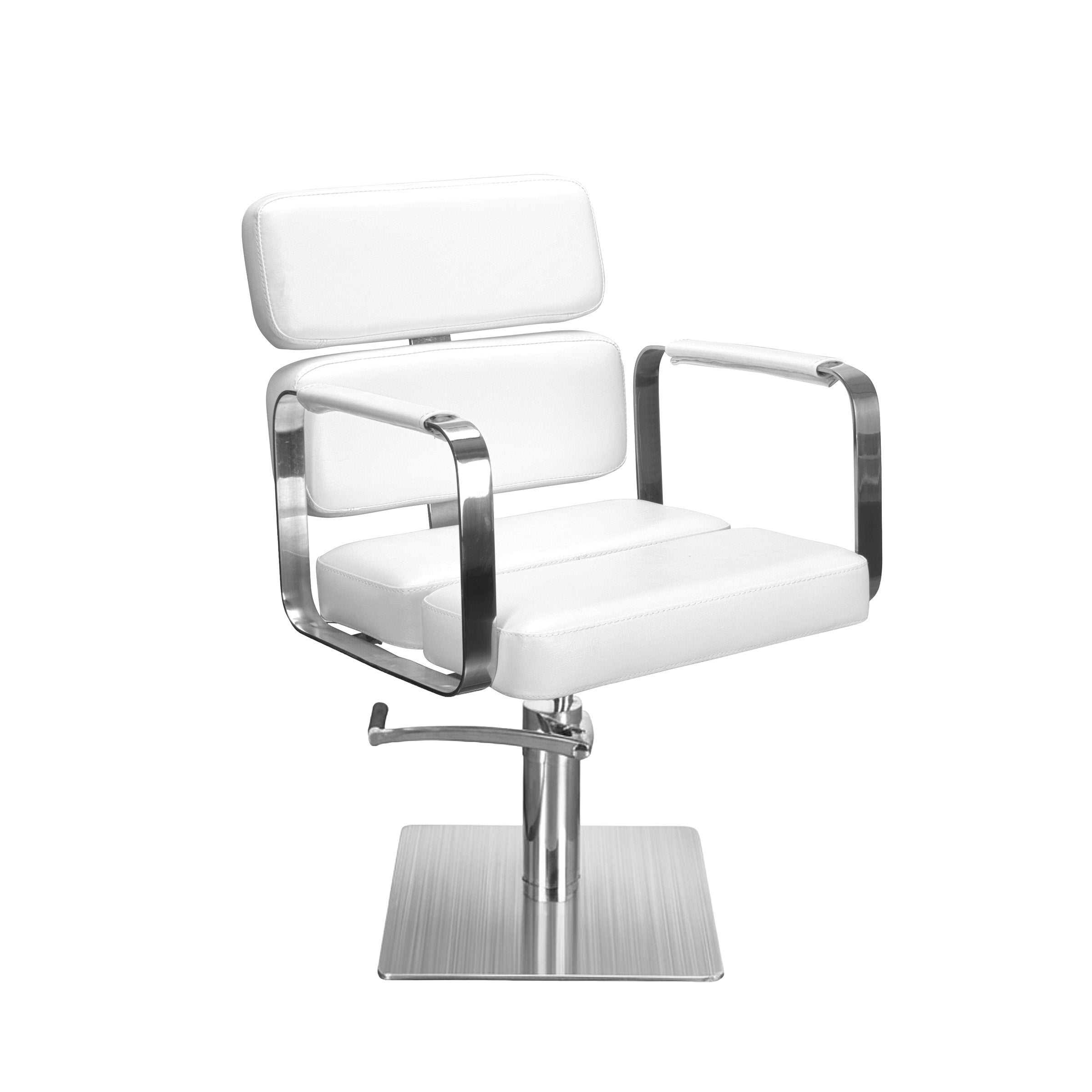
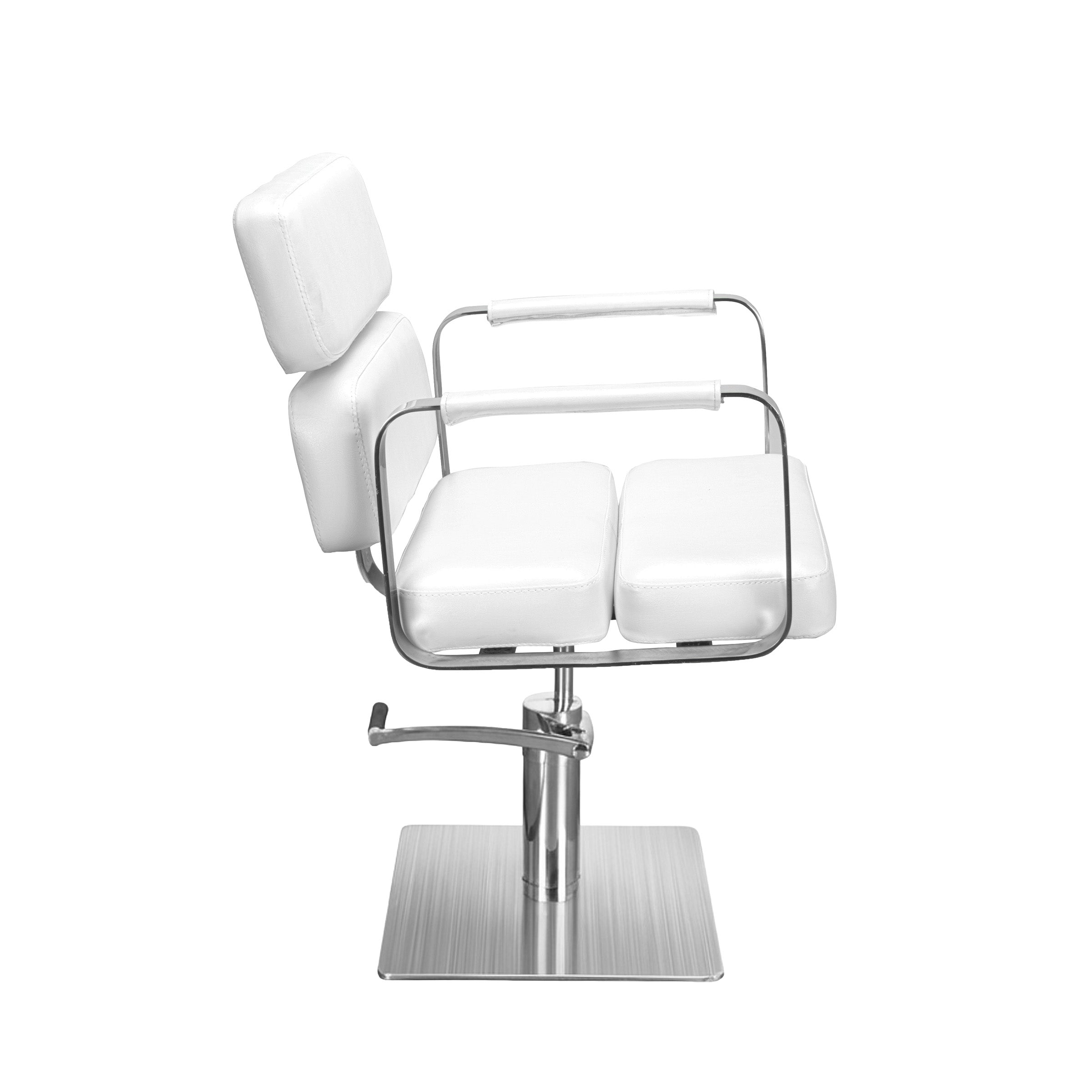
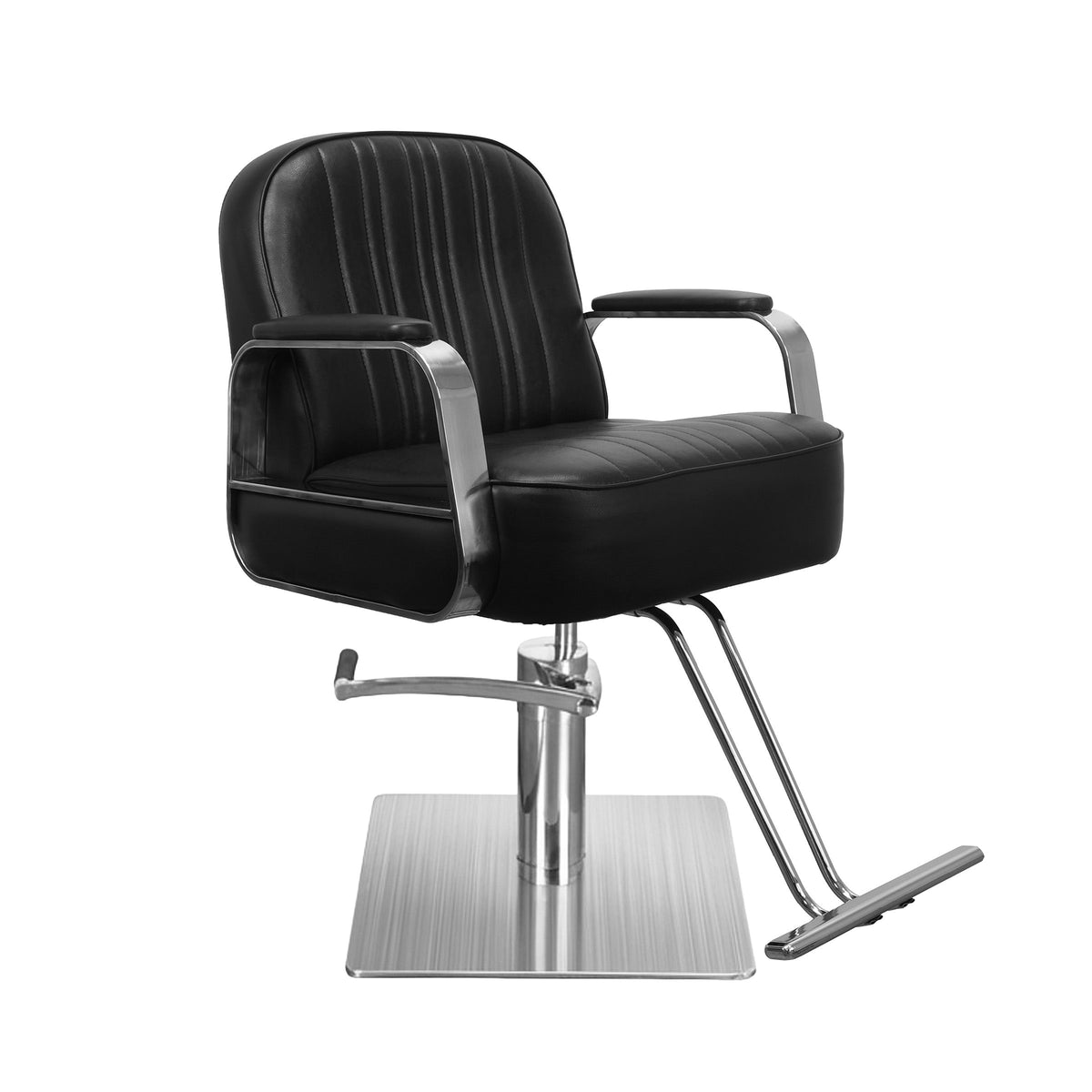
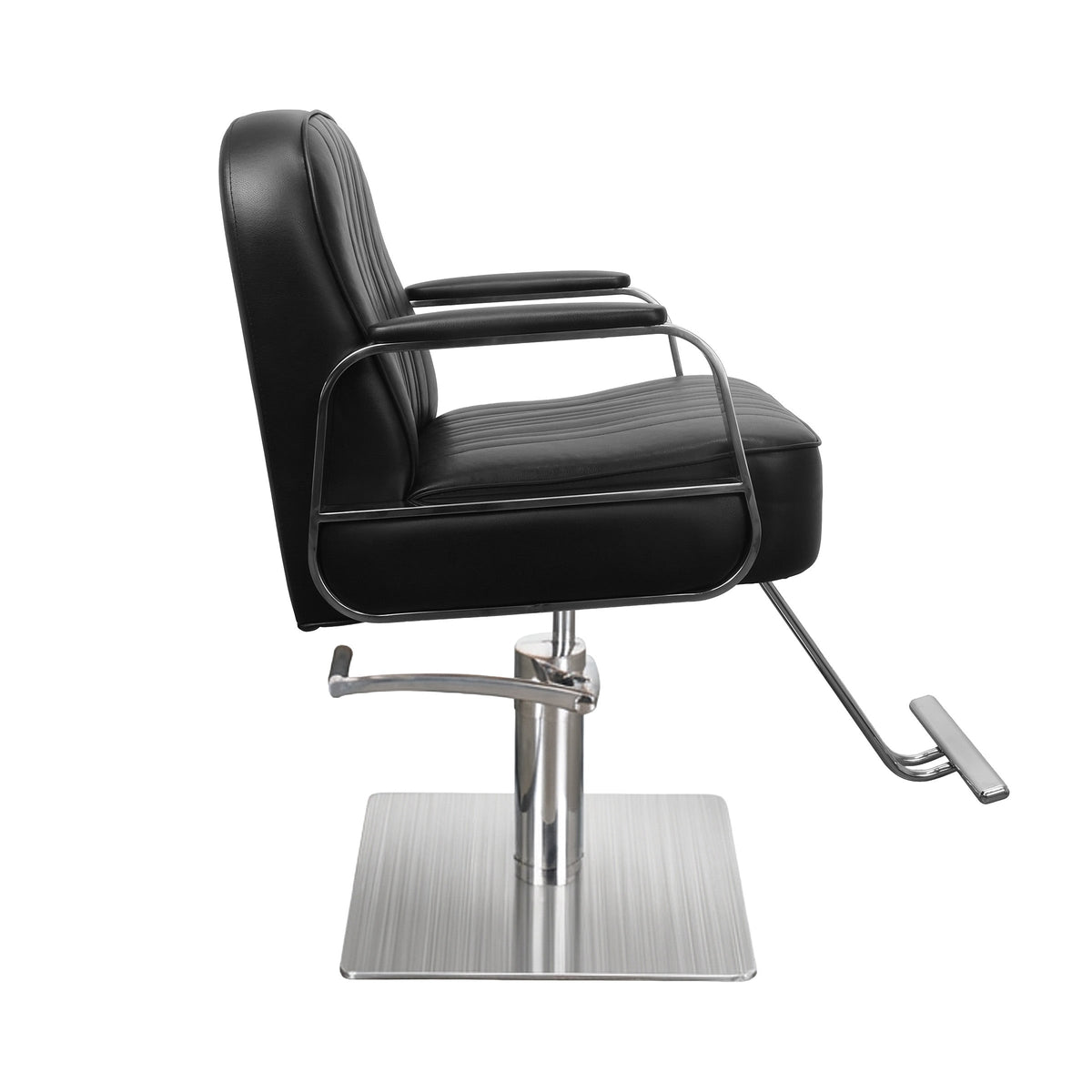
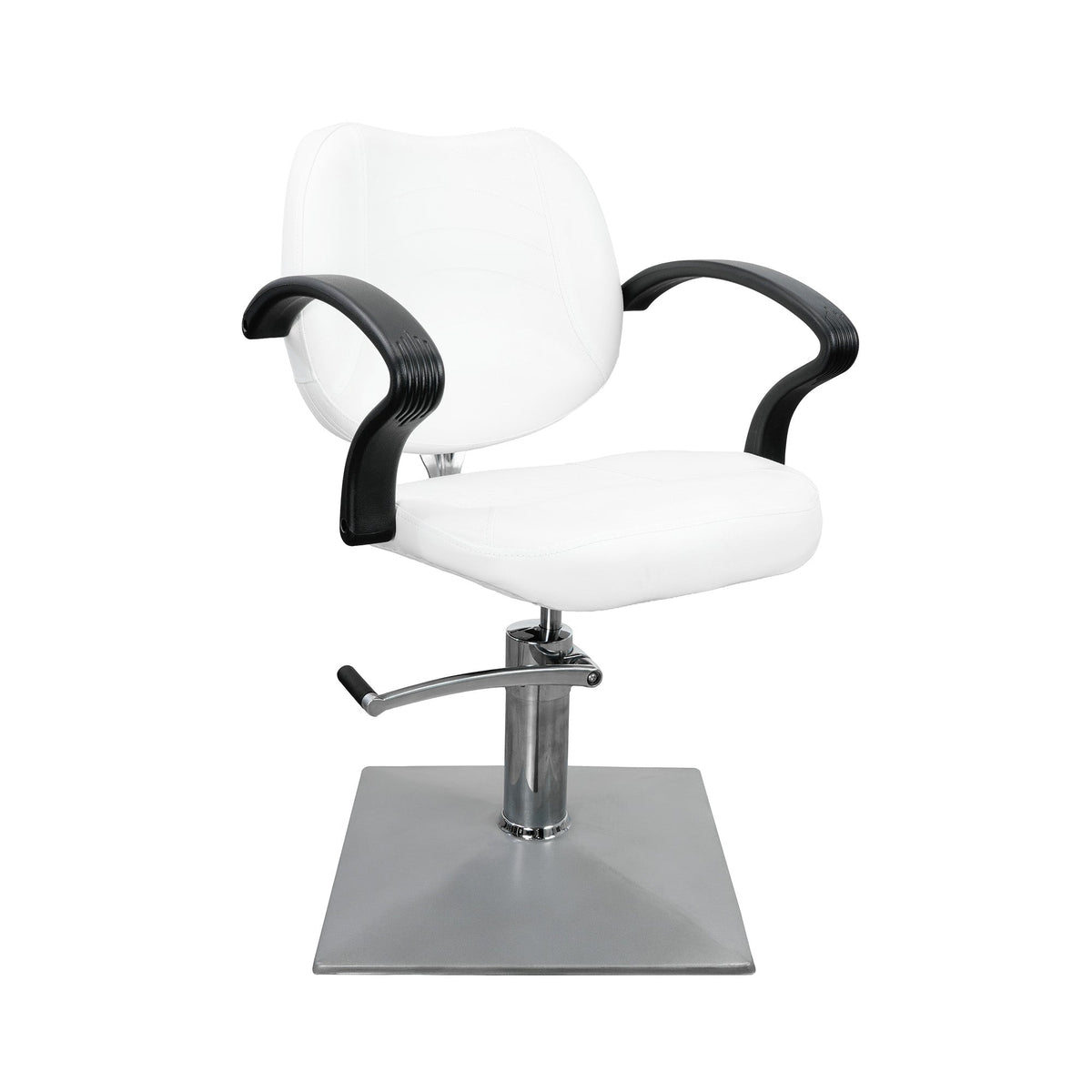
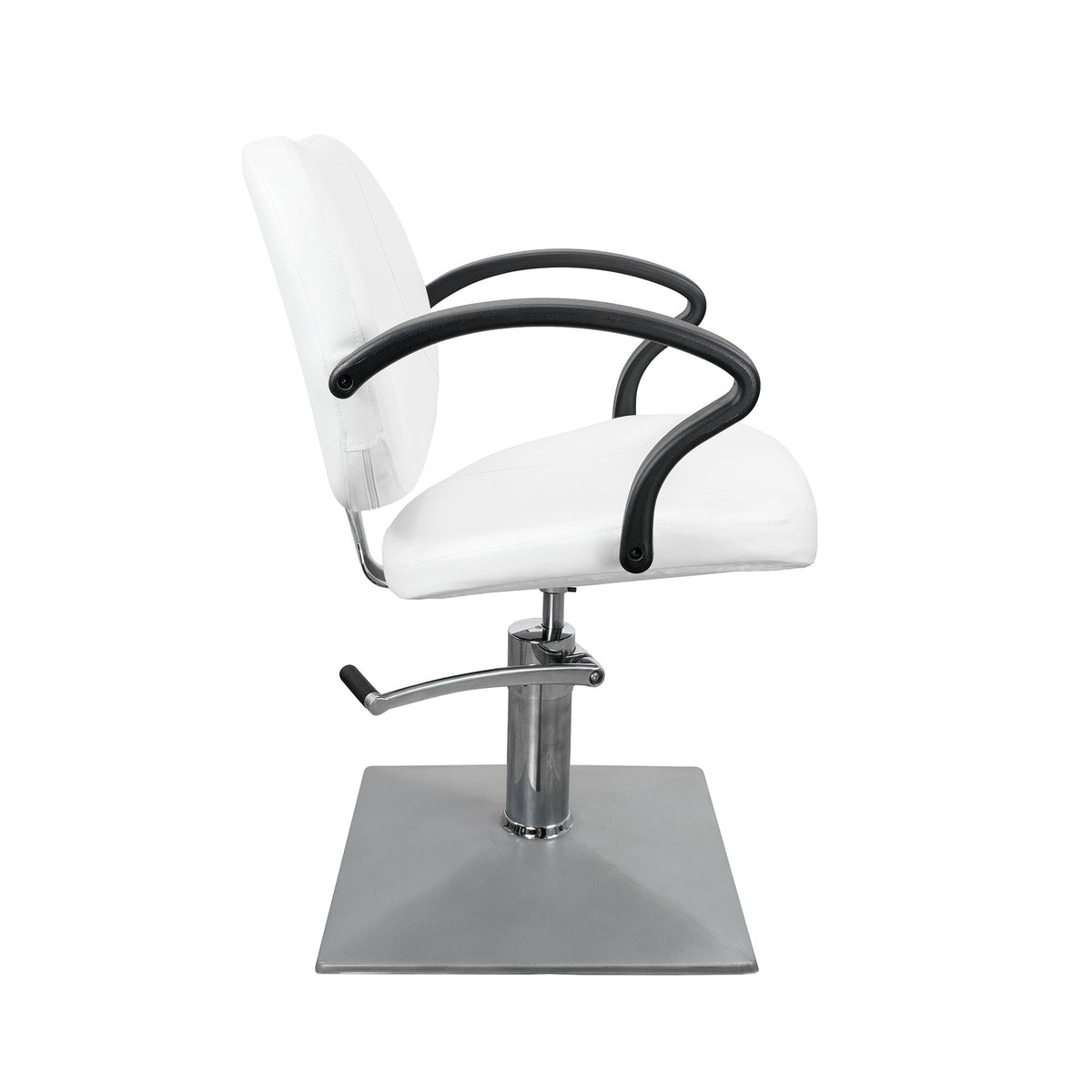
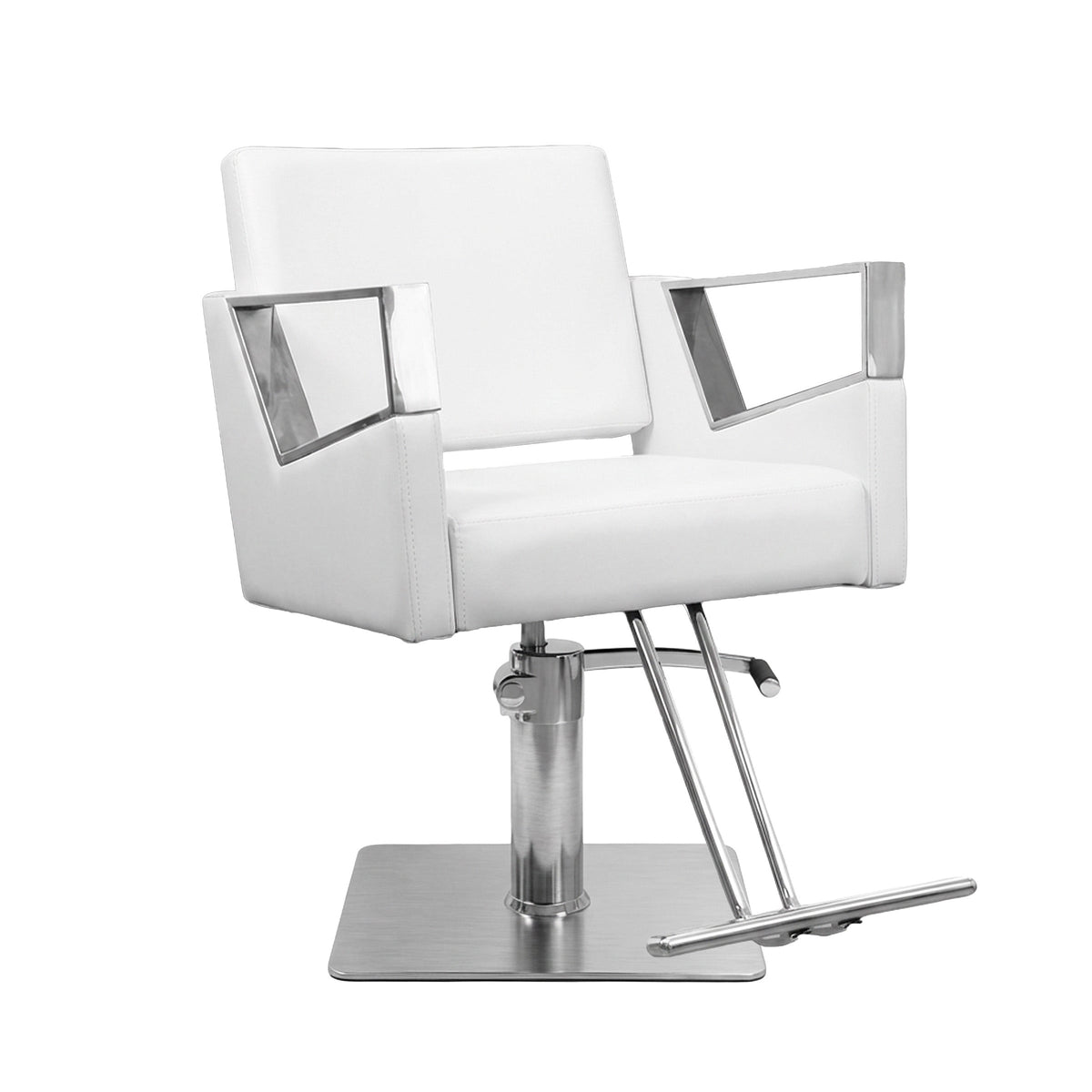
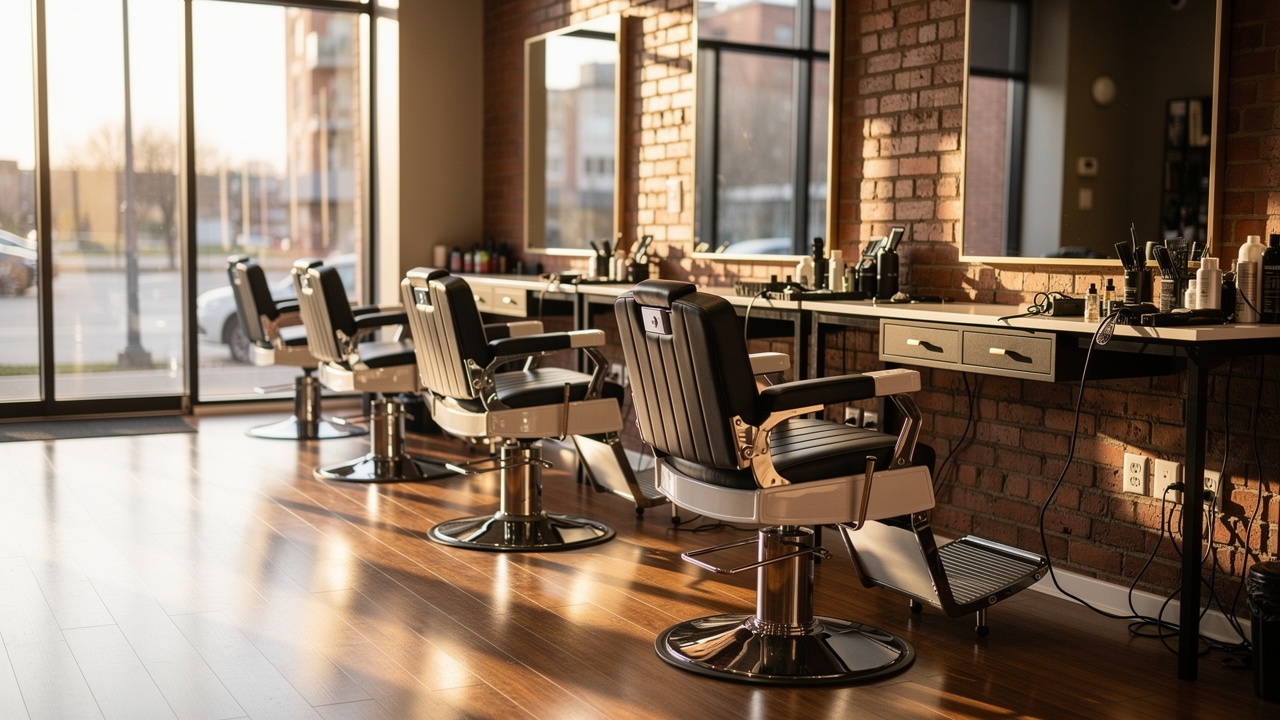
Safe promotions also feel special, not desperate. They read as a bonus for the client, not a fire sale for the owner, and that depends on how smoothly your operation runs. If chairs wobble, shampoo units leak, or stations feel messy, even a smart promo falls flat. A strong physical setup, with commercial‑grade gear like SalonAct styling chairs and shampoo stations, can turn a deal seeker into someone who thinks, “This place is worth coming back to at full price.”
The Biggest Risks of Unsafe Promotions (And How to Avoid Them)
Before you plan new Sales Promotions, it helps to study the worst‑case stories. Unsafe promotions do more than cost money; they warp client habits for years, wear out your team, and drag down how people talk about your shop.
Brand Devaluation and the Discount Trap
When a service is always on sale, people stop believing the regular price. Clients may not say it out loud, but the thought is simple: if a cut and color is worth one hundred, why is it half‑off every other week? In their mind, the real value drops to the sale price.
Running “fifty percent off color” every month might pack the books for a while. Over time, guests start to view full price as a mark‑up, not fair pay for skilled work and good products. When you try to stop the cycle, pushback starts: clients stall bookings waiting for the next big drop, and your team feels pressure to repeat old deals.
To avoid this discount trap, cap cuts on core services (usually under twenty‑five to thirty percent) and favor value‑added Sales Promotions. Run major deals only a few times a year, not every month. Protect your normal fee as the default, not the exception.
Attracting One-Time Bargain Hunters Instead of Loyal Clients
Studies examining the impact of sales promotions on customer behavior reveal that some promotions fill chairs with the wrong kind of guest—price-sensitive bargain hunters rather than loyal clients. Deep cuts or daily‑deal‑style offers pull in price chasers who hop from shop to shop following the next coupon. They do not care who cuts their hair as long as it feels cheap.
Think about a forty‑five‑dollar cut sold for twenty. After product, labor, overhead, and card fees, the thin profit is not the real issue. The deeper problem is that most discount‑only clients never book again at full price, so you gave your time and chair space away for almost nothing.
Unsafe Sales Promotions share a few warning signs:
-
Discounts over half off
-
No limit per person
-
Full access to your best services
-
No plan to build a relationship
Safer designs link the deal to a next step: rebooking before they leave, joining your text list, or entering a loyalty program. Aim promos at services that fit your ideal client and use “first‑time client” language when you want new faces, so regulars do not get used to sale‑only pricing.
Eroding Profit Margins Without Realizing It
It is easy to get excited by a busy week and forget to ask the hard question: “Did this actually make money?” Sales Promotions feel successful when the schedule is packed, but you need to see what is left after every cost is paid.
Take a simple example. A color service priced at one hundred with a thirty percent discount brings in seventy. Subtract twenty‑five for products, twenty for stylist pay, and fifteen for rent, power, laundry, cleaning, and card fees. You just worked about two hours for ten dollars of profit.
If you double your volume at that rate, your team ends the week tired while the bank account barely moves. Before you launch any Sales Promotions, run the math on a few sample tickets. Know your break‑even point and set a minimum margin you will not cross. Volume only helps if each extra service still carries healthy profit.
The Safest Types of Promotions for Salons and Barbershops
Plenty of Sales Promotions can grow your business without wrecking your rates. Think of this section as a menu of safer ideas you can adapt to your brand and client base.
Value-Added Promotions (Free Add-On Services)
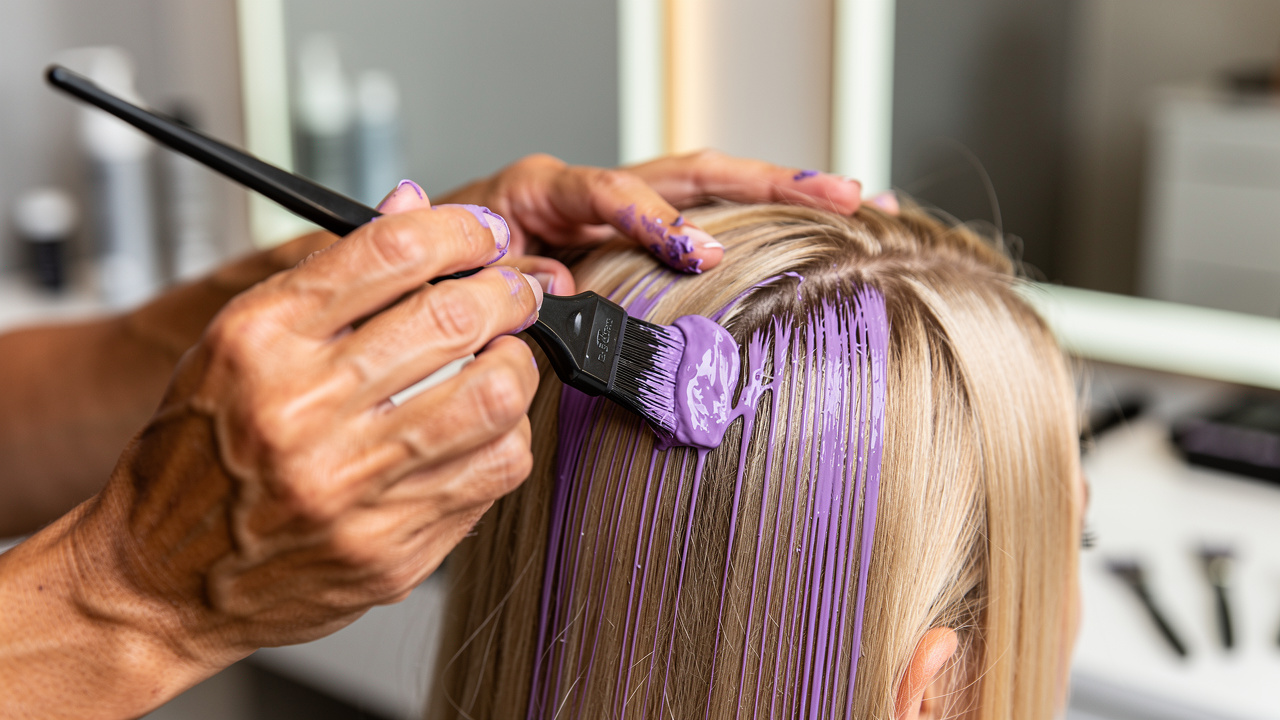
Value‑added promotions give clients more without cutting the main price. You offer a small, low‑cost extra service as a bonus instead of slashing the haircut or color fee. Clients feel pampered, and your main price stays strong in their mind.
For example, you might offer a complimentary deep conditioning with any color service, a short scalp massage with every shampoo and cut, or a free beard trim with haircuts above a certain price. Often the hard cost of that add‑on is only a few dollars in product and a few extra minutes in the chair. To the client, it feels like a fifteen‑ or twenty‑dollar gift—far better than the same amount knocked off the base service.
These Sales Promotions also showcase services guests might not have tried yet. Once someone experiences how good a scalp massage or glossing treatment feels, they are more likely to pay for it next time. To keep this smooth, your gear must handle the added time and pressure. Comfortable, stable chairs and solid shampoo stations from SalonAct help those add‑ons feel relaxing instead of awkward.
Strategic Service Bundles and Packages
Service bundles combine several services into one package at a small discount compared with buying them one by one. Instead of cutting the price of a single item, you raise the total ticket while keeping a healthy margin.
You might offer “The Complete Reset” with a cut, color, and deep conditioning for a package price slightly under the combined total, or a “Grooming Package” with a haircut, hot towel shave, and beard shape. Bridal or event options can mix hair, makeup touch, and simple extras.
The math works in your favor. A bundle with a modest fifteen percent discount across three services still brings strong revenue per hour, especially when you book services back‑to‑back in one chair. The client walks away feeling they got a full upgrade, and you introduced them to parts of your menu they may rebook at regular rates later.
First-Time Client Welcome Offers

First‑time client offers are some of the safest Sales Promotions when you set tight rules. The idea is simple: give a one‑time welcome perk to people who have never sat in your chair before.
This could be a modest percent off their first service or a free gloss or beard detail with their first color or cut. The key is that the offer is clearly marked for new clients only, can be redeemed just once, and expires within a set window. Your booking system or notes should flag who used it so no one can run it back again and again.
Because you only discount once, you limit risk and focus on long‑term gain. The goal is not to build a crowd of deal hunters, but to wow that first‑timer so much that they rebook at full price before they leave.
Loyalty Rewards and Referral Programs
Rewarding people who already love you is far safer than throwing big Sales Promotions out to strangers. Loyalty programs give something back after a set number of visits or dollars spent. Referral programs thank current clients for sending friends and family.
Simple ideas include a punch card where every fifth or tenth haircut is free or discounted, a points system where earned points turn into credit on future services, or “refer a friend and both of you get twenty off your next visit.” Because these rewards go to people who have already proven they like your work, the money you spend keeps strong relationships alive instead of chasing one‑time traffic.
These programs depend on good systems. You need accurate tracking, steady service quality, and a clean, professional space. Reliable chairs, carts, and stations from SalonAct help your shop feel consistent every time those loyal clients walk in.
Promotions to Approach with Extreme Caution (Or Avoid Entirely)
Some Sales Promotions look tempting on the surface but carry heavy risk underneath. They may fill a short‑term gap but leave a long‑term mess. Treat these like strong chemicals in the color room: use them rarely, with care, or not at all.
Deep Percentage Discounts (40%+ Off Core Services)
Steep discounts on your main services shout one message: “Something must be wrong here.” Clients may wonder if your books are empty, your skills are weak, or your products are cheap. On top of that, it is almost impossible to keep good profit when you cut prices by half or more.
For a simple cut or color, a fifty percent discount means you keep only half the cash while the cost in hours and supplies stays the same. Once you subtract labor, rent share, and products, there is often little or nothing left. If you run that kind of Sales Promotion often, your team works harder for less payback, and clients expect that bargain level forever.
If you want to use a higher discount, keep it rare and quiet. A same‑day text to fill last‑minute gaps on a rainy Tuesday can work because it does not reset public price expectations. For normal marketing, set a firm ceiling near thirty percent off and use that only for special dates.
Daily Deal Platforms (Groupon, LivingSocial)
Daily‑deal sites promise high traffic by blasting your offer to huge lists. The tradeoff is rough: they expect massive discounts to tempt their users and then take a big cut of the reduced price. That often leaves you with a tiny slice of your own fee.
Imagine a one‑hundred‑dollar service sold on a deal site for thirty. The platform might keep half of that. You do a full service for fifteen dollars of revenue while still paying for product, labor, and overhead. On top of that, many deal shoppers move on as soon as they use the coupon; they are loyal to the platform, not to your shop.
These Sales Promotions can also overload your calendar with low‑return work, which burns out staff and crowds out better‑paying clients. If you ever test a daily deal, limit it to a narrow service on your slowest days, with strict caps, blackout times, and a clear plan to upsell add‑ons and retail.
Open-Ended "Always On" Discounts
Discounts that never end or repeat on the same days create a hidden second price list. Offers like “ten percent off every Tuesday” or “students always save fifteen percent” sound simple, but they reshape habits in ways that are hard to undo.
Clients start planning cuts and colors only on discount days, so you stay slammed at low‑price times and quiet at full‑price times. Over time, people stop viewing those offers as Sales Promotions and start seeing them as the real, fair price. The “normal” menu price becomes a number they avoid.
If you want to honor certain groups or fill slow slots, think about rotating offers. For example, highlight a different service each month or send surprise text‑only treats to a small list. That keeps the deal feeling special and harder to predict, so it does not lock in permanent discount habits.
How to Implement Safe Promotions: A Step-By-Step Framework
Good Sales Promotions do not start on Canva or Instagram; they start with a simple plan. This five‑step framework works like a checklist for any idea you have, from a tiny midweek offer to a full blowout event.
Step 1: Define Your Specific Business Goal
Every promotion must answer one clear question: what problem is this meant to fix? “Get more clients” is too vague to guide smart choices.
Better goals sound like “fill daytime seats on Tuesday and Wednesday,” “get at least twenty people to try the new blonding service,” or “bring back guests who have not visited in three months.” Once the goal is sharp, the shape of the offer becomes clearer. Filling midweek gaps suggests weekday‑only Sales Promotions, while launching a new service calls for an intro bonus plus education content.
Step 2: Calculate Your True Cost and Set Margin Minimums
Before you choose any discount level, you need to know what one service really costs. Start with your normal price, subtract product cost, then wages or commission, then an estimate for overhead such as rent share, lights, laundry, software, and card fees.
"Run the numbers before you run the promotion."
— a rule of thumb shared by many salon business coaches
What is left is your true profit per visit at full price. Decide how low you are willing to let that number go during Sales Promotions. Many shops aim to keep at least a twenty to thirty percent margin. Also remember that time in the chair is limited. When a slot goes to a low‑margin promo, a full‑price service cannot book there.
Step 3: Set Strict Parameters and Redemption Rules
Loose rules are where many good ideas go bad. Every promotion needs:
-
a firm start date and end date
-
a list of included services
-
clear rules about who can use it and how many times
Spell these limits out in your marketing and at booking so there are no surprises. Language such as “valid for new guests only,” “one use per person,” “not valid on Saturdays or holidays,” and “expires thirty days after issue” sets simple guardrails. Train your front desk and stylists to repeat the same rules so you do not end up with one staff member giving away a perk others would refuse.
Step 4: Prepare Your Team and Operations
Your team sells every promotion more than your social media ever will. They need to know what the offer is, why you are doing it, and exactly how to apply it in your system. A short meeting or huddle before launch can cover these points and let people ask questions.
Give stylists simple phrases they can use in the chair to mention the deal without sounding pushy. Then look at your setup behind the scenes. Do you have enough color, capes, and retail stock? Are your chairs, shampoo units, and dryers in good working order? Sales Promotions stress‑test your gear, which is why many owners look for commercial‑grade pieces from brands such as SalonAct before they push volume higher.
Step 5: Launch, Monitor, and Be Ready to Adjust
Once the promo starts, your work is not finished. Watch how it performs through the whole run. Track how many people redeem, how big the average ticket is, and how many new names rebook.
Listen to your team as well. If they say days feel rushed or product use is spiking, look at the numbers again. You might need to shorten the promo, add blackout windows, or tighten who can use it. At the end, tag every promo client in your system and use that list later when you market full‑price services or new offers.
The Role of Operational Excellence in Promotion Success
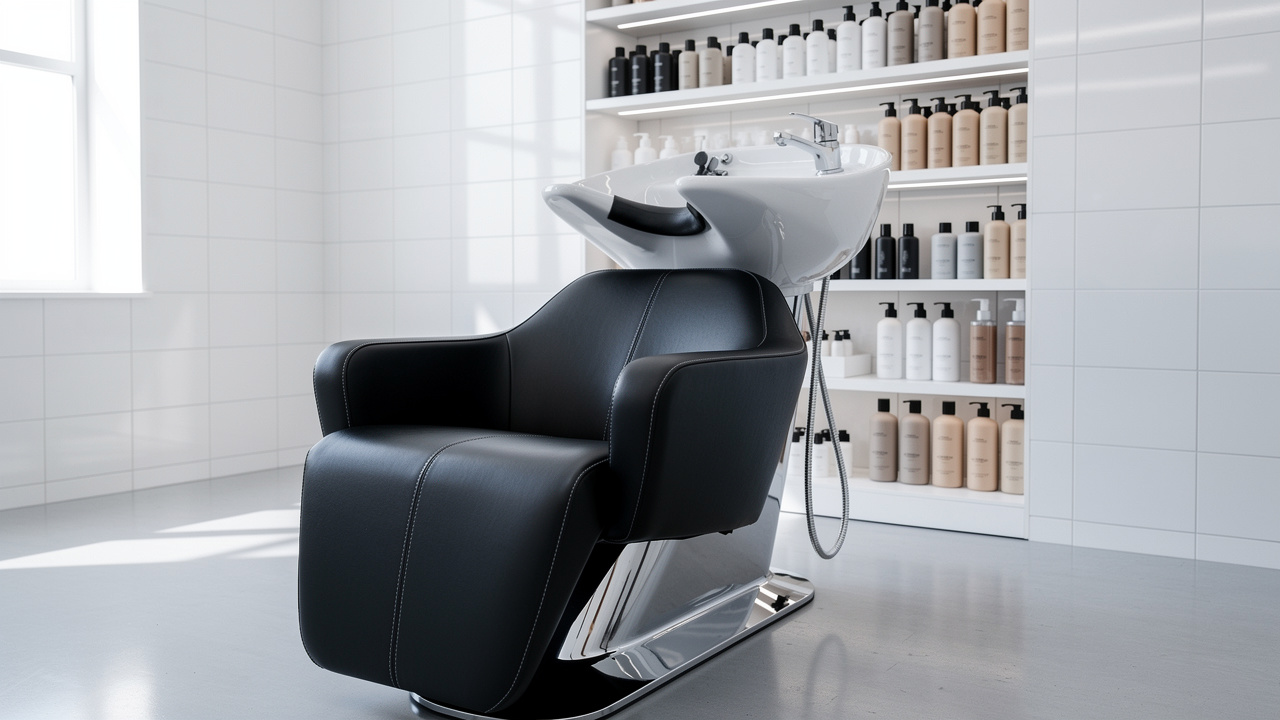
Many owners focus on the offer and the ad, then forget the seat the client is sitting in. When Sales Promotions hit, weak operations show up fast. A sticky hydraulic base, a shaky armrest, or a cramped shampoo area can turn a “great deal” into a bad memory.
Equipment Reliability as a Foundation
Imagine you run a color promo that boosts bookings by thirty percent, then one of your main chairs starts sinking during long services and a shampoo unit leaks on the floor. You lose time moving guests between stations, hand out free fixes to calm people down, and maybe even face a bad review or two from first‑timers.
The damage is bigger than one broken part. You lose revenue from those visits, pay staff to stand around while you shuffle, and risk losing everyone who felt the chaos. Investing in strong, commercial‑grade gear lowers this risk. Brands such as SalonAct offer styling and barber chairs built for heavy daily use, with durable bases, dependable hydraulic systems, and commercial‑grade upholstery that stands up to color, bleach, and cleaners. Match that with simple daily and monthly check routines to keep your core tools ready when promo volume hits.
Client Comfort and the First Impression
Promotions tend to bring in more first‑time clients than normal weeks, and those guests are judging everything: how the chair feels when it reclines, how steady the barber chair locks, whether the shampoo bowl lets them relax or strains their neck, and how clean and organized the stations look.
If the experience feels cheap or uncomfortable, that new guest is less likely to come back at full price, no matter how good the deal was. A smooth visit in a modern, comfortable space makes your normal rates feel fair. Features you often see from brands such as SalonAct—cushioned seats, ergonomic headrests, quiet hydraulics, and clean, modern styling—help your promo do what you want: turn trial into loyalty.
Space Efficiency and Service Capacity
A great offer that doubles demand is only helpful if you can serve everyone without crowding or chaos. Tight layouts and bulky furniture make this hard. Clients feel jammed in, and staff waste steps moving around each other.
Space‑smart equipment helps you get more from the square feet you already pay for. Compact styling chairs, integrated stations with storage and mirror in one unit, and mobile trolleys let you add or spread out stations without making the room feel packed. Many owners find that smart choices here open enough space for one more chair, which can add serious yearly revenue when combined with well‑planned Sales Promotions.
Measuring Promotion Success: Beyond Surface-Level Revenue
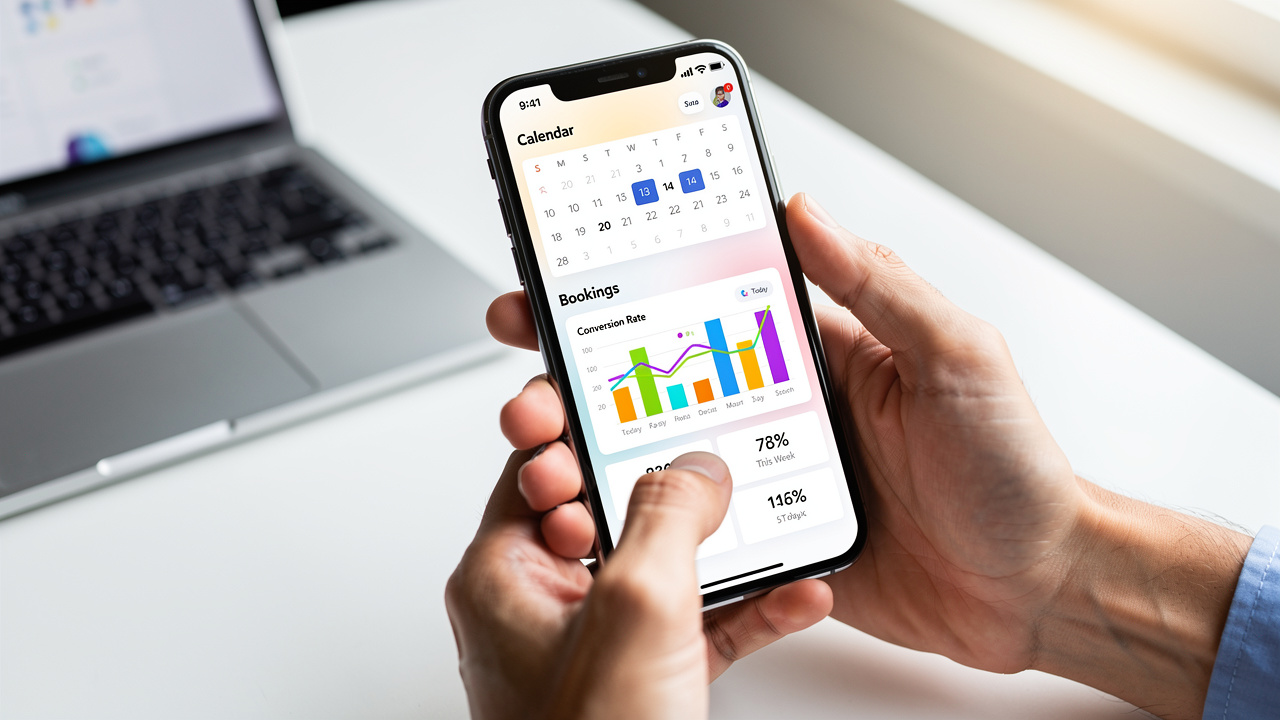
“It did ten thousand in a week” sounds great, but it does not say whether a promotion helped or hurt. To judge your Sales Promotions honestly, you need to look beyond gross sales and focus on profit, client quality, and behavior changes.
"If you don't track it, you can't improve it."
— common advice in salon business coaching
Net Profit Per Promotion (Not Just Revenue)
Start by adding all the sales linked to the promotion. Then subtract every cost tied to that week: product use, staff pay, overtime if any, a fair share of rent and utilities, card fees, and what you spent on marketing the offer.
The number left is your net profit from that promo. Compare that to a normal week. If you earned more money than usual, great. If your revenue jumped but profit fell below a normal week, the promotion did not really help the business.
New Client Conversion Rate
Most owners hope Sales Promotions bring in new faces who stay. The way to test that is simple: measure how many promo clients came back at least once at full price within about sixty to ninety days.
Divide that number by the total promo clients to get a percent. If only a small slice return, the offer pulled in discount‑only shoppers. Strong promotions often convert forty to sixty percent of new guests. Anything much below thirty percent is a sign to rethink how you frame and target the deal.
Average Ticket Size Impact
Look at your average ticket during the promotion. Include all services and retail sold per visit, then compare that number to your normal average. Healthy Sales Promotions often keep tickets roughly the same or a little higher, thanks to add‑ons and product sales.
If average ticket size drops a lot, it means most people came in, grabbed the cheapest service that qualified, and left. In that case, tune the offer so it rewards bundles, upgrades, or retail instead of just cutting the base service price.
Conclusion
Sales Promotions can be one of the fastest ways to boost bookings, test new services, and breathe life into slow weeks. They can also be a fast way to cheapen your brand, drain your team, and get stuck in a loop of constant discounts. The difference comes down to planning, structure, and how solid your day‑to‑day operation is.
Safe promotions protect your image, keep margins steady, and bring in the kind of clients you want on your books for years. They use thoughtful rules, clear time frames, and measured value, not wild price cuts. They are backed by strong systems, trained staff, and reliable equipment that can handle extra volume without drama.
Before you post your next offer, run it through the checks in this guide. Define the goal, do the math, set firm rules, prepare your team, and be ready to adjust once it is live. At the same time, look around your space. If your chairs, stations, or shampoo units feel shaky under normal load, consider upgrading with long‑lasting pieces from brands such as SalonAct so your next big promo feels smooth instead of stressful. Your skill, your time, and your client experience are where your real value lives. Promotions should shine a light on that value, not sell it short.
FAQs
Question: How Often Can I Safely Run Promotions Without Devaluing My Brand?
As a general rhythm, plan major Sales Promotions about three or four times a year. Tie them to natural moments such as the new year, back‑to‑school, or holiday season, and leave at least eight to ten weeks of normal pricing between big pushes so clients see full price as the standard. Small surprise perks, like a free mini treatment offered in person on a slow afternoon, do not carry the same risk. If people start asking when your next sale is instead of booking now, that is a warning sign you are running promos too often.
Question: Should I Discount My Most Popular Service Or My Least Popular One?
Most of the time, leave your top sellers alone. Those services already prove that clients accept the price, so cutting them mostly shrinks profit. Use Sales Promotions to shine light on underused services or new additions to your menu. There is one clear exception: if your main goal is to fill empty seats on very slow days, you can run a limited deal on a popular cut or color only during those hours. Just be careful not to extend that same discount across all days, or clients will start waiting for it.
Question: What's The Safest Way To Handle Clients Who Ask For The Promotional Rate After It's Ended?
The key is to stay kind and firm at the same time. When someone asks for an old promo, a simple reply works well: explain that the offer ended on a certain date and share any current loyalty rewards or upcoming events they might like. If you want to soften the moment, offer a small add‑on such as a quick treatment instead of the old discount. Train every team member to answer in a similar way so guests do not shop around staff for someone who will bend the rules.
Question: How Do I Attract First-Time Clients Without Training Them To Expect Discounts Forever?
Start with the way you frame the deal. Call it a welcome gift or first‑visit special so it feels like a one‑time thank you, not a regular price. Make sure your booking system flags people as new or existing so only true first‑timers can use it, and write “one‑time offer” clearly in your messages. During the visit, give your best work, highlight the normal value of your services, and invite them to rebook before they leave at your standard rate. The goal is for them to stay because they like the experience, not because they chase discounts.
Question: What Should I Do If A Promotion Is More Successful Than Expected And I Can't Handle The Volume?
This is a better problem than an empty book, but it still needs quick action. First, protect quality by limiting how many promo slots you take each day and by blocking the busiest times if they get too crowded. You can pause new promo bookings while honoring the ones already on the calendar. Tell clients you are doing this so every guest gets proper time and care, which actually makes the offer feel more special. Later, use what you learned to judge staff levels, hours, and future promo volume so the next big push feels busy but controlled.